


Windscreen Insurance Claim Guide for Drivers
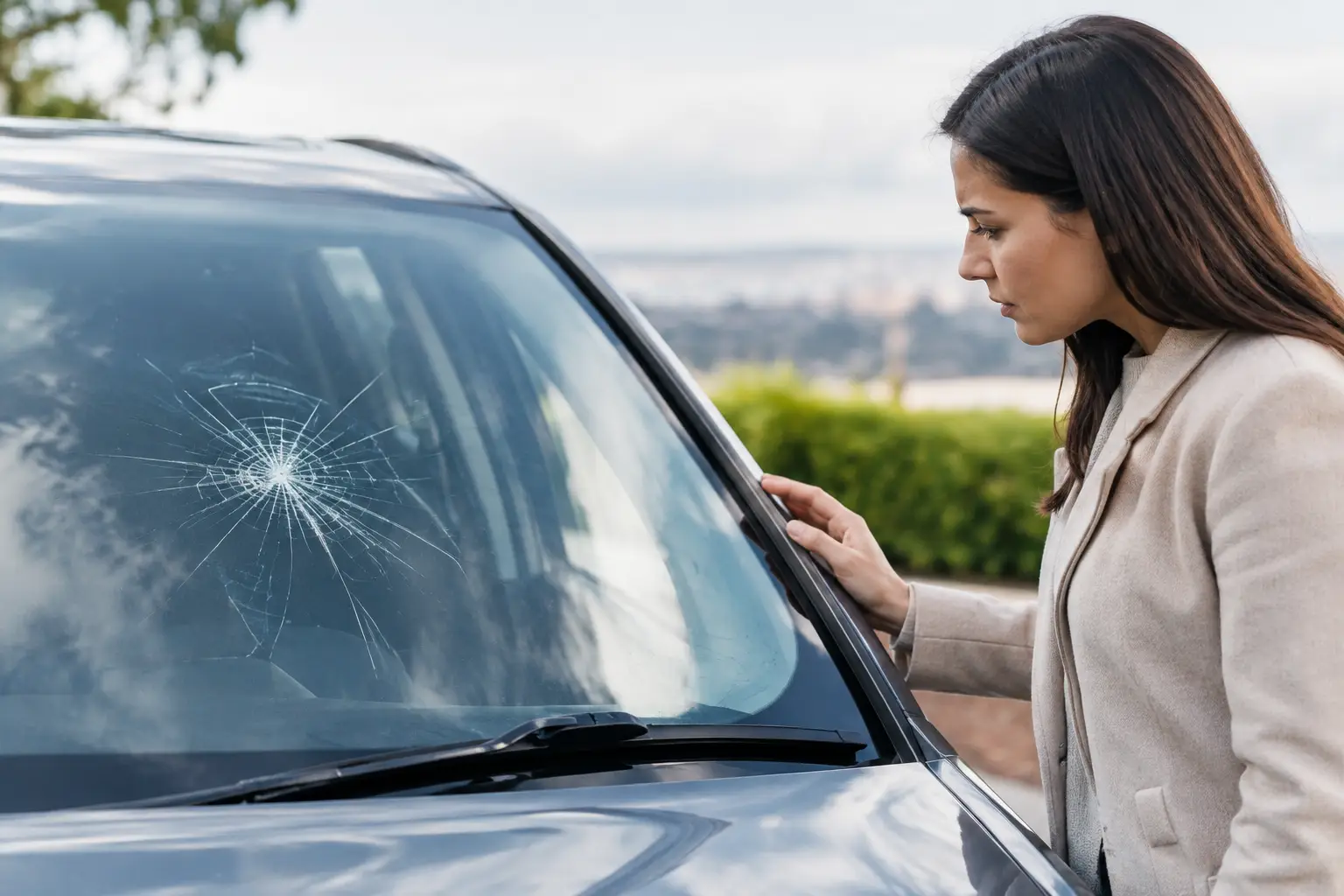
A stone chip can look minor when it first appears, particularly on a busy weekday. Leave it through heat, rain, road vibration and a few days of driving, however, and a repairable mark may become a full windscreen crack. This windscreen insurance claim guide is designed to help Singapore drivers act with care, protect their cover and make an informed decision before work begins.
A windscreen is not simply a pane of glass. It contributes to forward visibility, supports the roof structure in many vehicles and provides the mounting surface for cameras and sensors on newer models. The right claim decision should therefore balance policy conditions, safety, repair quality and the needs of the vehicle.
Start with safety, not the claim number
If the crack sits in the driver’s direct line of sight, is spreading across the screen, reaches the edge of the glass or affects visibility in rain and at night, arrange an assessment promptly. Do not attempt to conceal the damage with tape, fillers or household adhesives. These can make professional repair more difficult and may obstruct vision.
Park the vehicle under cover where possible. Avoid slamming doors, directing very hot or cold air at the windscreen, and using a high-pressure wash around damaged edges. Sudden temperature changes and body flex can cause a chip to travel quickly.
Take clear photographs before any work is carried out. Capture the damage from inside and outside the vehicle, a wider view showing its position, and the registration number. Record the date, approximate time, location and likely cause if known, such as stone impact, falling debris or vandalism. This creates a useful record if the insurer asks questions later.
Check what your policy actually covers
Windscreen protection is often included under comprehensive motor insurance, but it is not identical across policies. Some insurers treat glass claims separately from accident claims; others apply a specific excess, set a lower limit for repairs, or require the use of an approved repairer. A claim may or may not affect your no-claim discount depending on the policy wording.
Before authorising a replacement, confirm four practical points with your insurer: whether windscreen damage is covered, the repair and replacement excess, whether you must use a nominated workshop, and whether camera recalibration is included where required. Ask for the reference number and write down the name of the person you spoke with.
This step matters because the cheapest apparent route is not always the best value. A low excess can make a claim sensible for an expensive laminated screen, especially where sensors, heating elements, acoustic glass or specialised mouldings are involved. For a small repair, paying directly may sometimes be quicker and preserve a no-claim discount if your policy treats glass claims differently. It depends on the vehicle, the damage and the exact terms of cover.
Repair or replacement: make the call on condition
A small, fresh stone chip can often be repaired when it is away from the driver’s critical viewing area and has not developed into a long crack. Proper resin repair is intended to stabilise the glass and improve appearance, not make every mark disappear completely. A faint blemish may remain, particularly in certain light.
Replacement is normally the safer route when the crack is extensive, reaches an edge, has penetrated multiple layers, interferes with a sensor area or compromises clear vision. Windscreens are laminated safety glass. Damage to the outer layer may seem contained, but the location and pattern matter as much as the visible size.
For premium, older or restoration-worthy vehicles, replacement requires additional judgement. The correct screen may have a specific tint, antenna provision, heating feature, shade band or original profile. Incorrect glass or poorly fitted trims can affect appearance, create wind noise and reduce weather sealing. This is where a specialist assessment is more valuable than a rushed, one-size-fits-all decision.
Modern windscreens require more than new glass
Many current vehicles use windscreen-mounted cameras for lane support, emergency braking, traffic-sign recognition and other driver-assistance functions. If the windscreen is replaced, the camera may require recalibration. This is not an optional finishing touch. It confirms that the system is reading the road as intended after the glass has been fitted.
Ask whether calibration is needed for your model, how it will be completed and whether the insurer’s approved amount includes it. Also confirm whether the replacement glass meets the appropriate specification for optical clarity, sensors and acoustic performance. A windscreen can look correct while still being unsuitable for the vehicle’s equipment.
How to make a windscreen insurance claim cleanly
A disciplined claim process reduces delay and avoids uncertainty over cost. Keep the conversation factual. Explain what happened, when you noticed the damage and whether the vehicle remains safe to drive. Do not guess at causes you cannot support, and do not approve work until you understand the insurer’s instructions.
Have your policy number, vehicle registration, photographs and repairer estimate ready if you have one. The insurer may arrange the work directly, ask you to visit an authorised provider or permit a workshop of your choice subject to approval. If you prefer a specialist, ask about the approval process before booking the vehicle in.
Where a cashless arrangement is available, establish what is covered and what you will pay yourself. Items outside standard glass replacement can include additional mouldings, corroded fixings, damaged surrounding trims or calibration work. Transparent scope matters. You should know whether the quoted excess is the full out-of-pocket amount or only the starting point.
Keep copies of the claim reference, approval messages, invoices and warranty details. Should a question arise later, a clear paper trail protects both you and the workshop.
Choose workmanship that protects the vehicle
The quality of fitting has a direct effect on the result. Glass replacement involves safe removal, careful preparation of the aperture, proper bonding, correct placement and a controlled curing period. Rushing these stages can lead to leaks, wind noise, trim damage or poor alignment.
For vehicles with aged seals, delicate interior finishes, convertible structures or restoration details, the surrounding work deserves equal attention. A damaged roof lining, scuffed dashboard edge or poorly refitted pillar trim can turn a straightforward windscreen claim into an avoidable repair. The workshop should explain how it will protect adjacent materials and identify any pre-existing condition before removal.
At 8 Cushion, windscreen-related work is handled with the same in-house accountability applied to interior restoration and trim work. That approach matters when the glass removal process meets sensitive upholstery, roof linings or specialist vehicle finishes. No outsource means a clearer line of responsibility from inspection to handover.
Do not drive away without these checks
When collecting the vehicle, inspect the windscreen in good daylight. Look for scratches, distortion, adhesive residue, uneven mouldings and marks on surrounding paint or interior trim. Check that the wipers sweep cleanly and that rain sensors, cameras, demisters, aerial functions and head-up display features operate as expected.
Ask when the vehicle can be washed or driven at normal speed. Adhesive systems have specified safe drive-away and full curing times, which vary with the product and workshop conditions. Following that advice is part of protecting the installation, not an inconvenience.
If you notice water ingress, wind noise, a warning light or a camera-related alert after collection, raise it immediately. Early reporting gives the workshop the best chance to inspect the issue properly and document the outcome with the insurer if necessary.
A claim should not lower your standards
Insurance is there to manage an unexpected cost, not to force a compromise on safety or workmanship. A careful windscreen claim gives you the time to verify cover, select the appropriate repair path and ensure the vehicle is returned with its visibility, protection and finish properly respected.
Treat the first chip as a prompt for action rather than a cosmetic nuisance. The right assessment today can prevent a larger crack, a more complicated claim and a result that falls short of the standard your vehicle deserves.
Related posts
Is Car Upholstery Repair Worth It? A Clear View
Is car upholstery repair worth it? See when skilled restoration protects comfort
Are Cloudy Windscreens Repairable? What to Check
Are cloudy windscreens repairable? Learn what causes haze, when polishing may he

How to Protect Classic Car Interior Properly
Learn how to protect classic car interior trim, leather, vinyl and roof lining w