


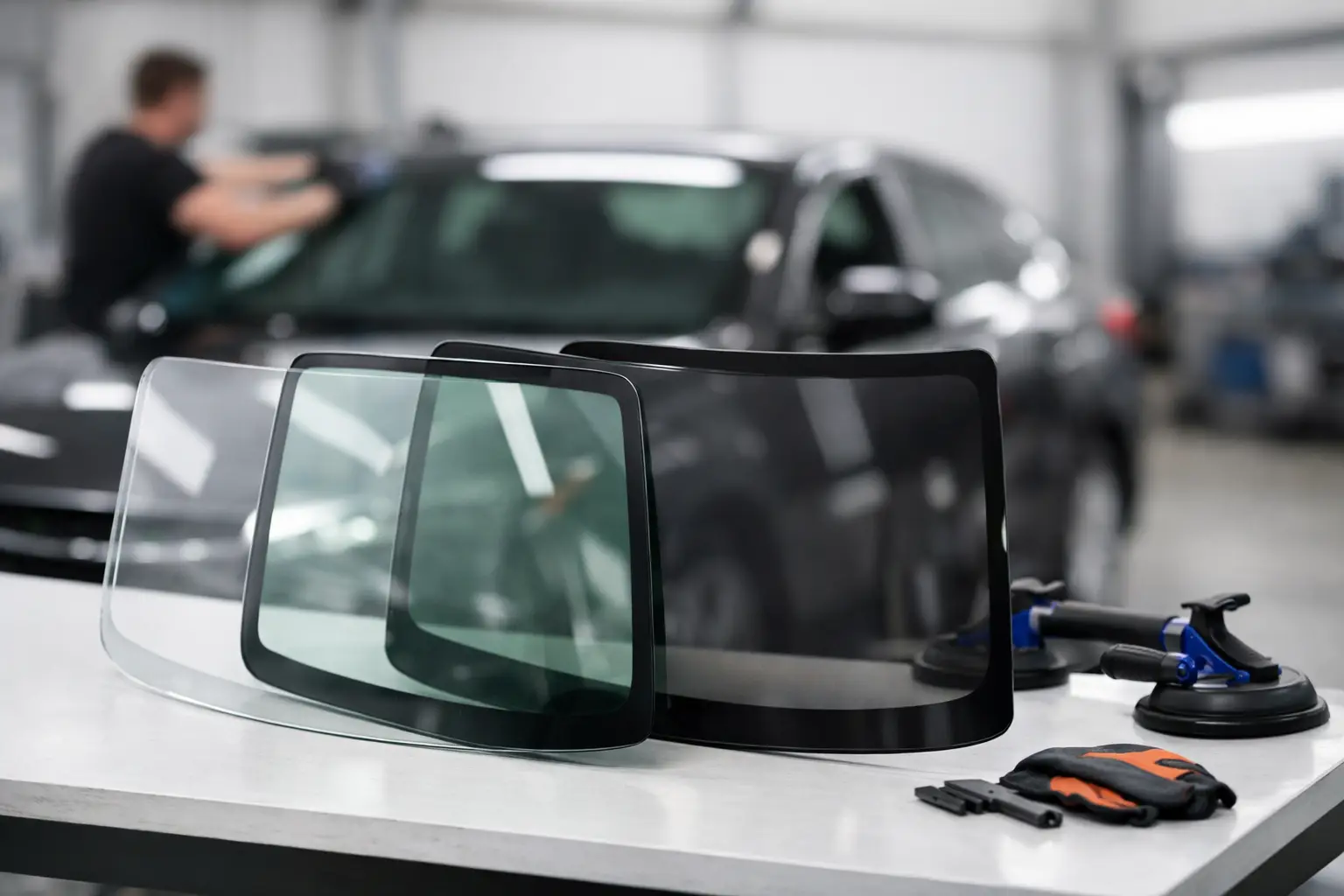
Best Windscreen Replacement Glass Options Explained
A windscreen is not simply a sheet of glass between you and the road. It supports the vehicle’s structure, affects visibility in heavy rain and bright sun, and may carry cameras, sensors and heating elements. That is why the best windscreen replacement glass options are not always the most expensive or the quickest to fit. The right choice depends on your vehicle, its original specification and the standard of installation.
For a basic vehicle with no driver-assistance equipment, a correctly made replacement screen from a reputable manufacturer can be an excellent solution. For a premium car, a convertible, or a vehicle fitted with forward-facing cameras and specialist glass, matching the original specification more closely is often the wiser long-term decision. The glass matters, but so do the mouldings, bonding materials, sensor preparation and final checks.
Best windscreen replacement glass options for your car
Most replacement windscreens fall into three broad categories: genuine original equipment manufacturer glass, original equipment equivalent glass, and aftermarket glass. None is automatically right for every owner. A disciplined assessment starts with the vehicle identification details and a close review of what is fitted to the existing screen.
Genuine OEM windscreen glass
Genuine OEM glass is supplied through the vehicle manufacturer’s parts network, usually bearing the vehicle marque as well as the glass maker’s markings. It is made to the manufacturer’s specified design, including the correct shading band, antenna connections, camera brackets, sensor windows and acoustic properties where applicable.
This is commonly the strongest option for newer premium vehicles, cars under warranty, restoration projects and models with a complicated windscreen specification. If your car has a head-up display, a heated screen, a rain sensor, an infrared coating or an advanced driver-assistance camera, genuine glass reduces the risk of unwanted differences in optical quality or component fit.
The trade-off is cost. Genuine parts can be more expensive and may require a longer lead time. However, when preserving original specification, cabin refinement and resale confidence are priorities, the additional expense can be justified.
Original equipment equivalent glass
Original equipment equivalent, often called OEE glass, is produced to match the required safety and dimensional standards without being supplied in the vehicle manufacturer’s branded packaging. In some cases, it may even come from the same large-scale glass manufacturer that produces original parts, though it is not necessarily identical in every feature or finish.
A high-quality OEE windscreen can offer very good value for many vehicles, particularly where the original screen has a straightforward specification. The key word is quality. The screen must match the vehicle’s exact options, not merely its make, model and year. Two versions of the same model can require different glass because one has a camera mount, solar control tint or acoustic interlayer and the other does not.
For owners who want a sensible balance between cost and correct fitment, quality OEE glass is often worth considering. It should still be assessed against the original part before work begins, especially on European, luxury and late-model vehicles.
Aftermarket windscreen glass
Aftermarket glass covers a wide range of products. Some is produced by reputable manufacturers and performs well when correctly specified and fitted. Other glass may be cheaper because it has fewer features, lower consistency in optical finish or less precise mounting provision.
The lowest quote can become costly if the screen produces visual distortion, has a mismatched tint, fails to accommodate a sensor correctly, or requires remedial work around trims and mouldings. A windscreen is viewed through every time you drive. Minor distortion at the edges or around the camera area can quickly become frustrating.
Aftermarket glass can be appropriate for older, simpler vehicles where original parts are no longer practical or where the owner needs an economical, safe replacement. It should not be selected on price alone. Ask what brand of glass is being supplied, whether it is approved for your exact vehicle specification, and whether all associated components are included.
Glass features that must match the original specification
The best windscreen replacement glass option is often determined by details that are easy to overlook. A clear screen and a tinted screen are not always interchangeable, even when they physically fit the aperture.
Laminated glass is standard for most modern windscreens. Its inner layer helps hold broken glass together after impact and contributes to cabin safety. Beyond this basic construction, many screens have additional functions that affect comfort, technology and visibility.
Acoustic windscreens use a specialised interlayer to reduce road and wind noise. This is particularly relevant in premium saloons, electric vehicles and convertibles, where cabin refinement is part of the driving experience. Replacing an acoustic screen with standard laminated glass may save money initially but can change the vehicle’s noise level at speed.
Solar-control or infrared-reflective glass helps reduce heat entering the cabin. In Singapore’s climate, this feature can make a noticeable difference to comfort and air-conditioning load. These screens may have a subtle colour tone or coating that should be matched correctly rather than guessed from appearance alone.
Heated windscreens, embedded aerials, humidity sensors, rain sensors and head-up display areas require exact compatibility. A screen intended for a head-up display, for example, is designed to reduce double reflections. Fitting ordinary glass to a vehicle equipped with this feature can leave the projected information less clear.
ADAS calibration is part of the replacement
Many modern vehicles use a camera mounted behind the windscreen to support lane departure alerts, emergency braking, traffic-sign recognition or adaptive cruise functions. Once that windscreen is removed, the camera’s viewing position may change by a small amount. Small changes matter when the system is interpreting road markings and vehicles ahead.
A replacement windscreen for an ADAS-equipped vehicle should have the correct camera bracket and optical zone. It must then be calibrated according to the vehicle manufacturer’s procedure where required. Depending on the model, this may involve static calibration with specialist targets, dynamic calibration during a controlled road drive, or both.
Calibration is not an optional extra to be skipped for convenience. If warning lights remain on, features behave inconsistently or the vehicle reports that a camera is unavailable, the job is not complete. Owners should be told clearly whether calibration is necessary, how it will be carried out and what checks will follow.
The fitting process matters as much as the glass
Even excellent glass will not perform as intended if it is installed carelessly. The windscreen is bonded to the body structure using automotive-grade adhesive. The preparation of the bonding surface, the condition of the frame, the adhesive application and the curing time all affect safety and water resistance.
A proper replacement begins with protecting the paintwork, dashboard and interior trims. The old glass is removed without damaging the surrounding aperture, then the bonding area is inspected for corrosion, old adhesive issues or previous repair work. Corrosion should not be covered and forgotten. It needs appropriate treatment before new glass is installed, otherwise moisture can return beneath the bond.
New clips, retainers, mouldings and seals may also be required. Reusing brittle or distorted parts can leave gaps, wind noise or poor trim alignment. This is especially relevant on older vehicles and convertibles, where body movement and exposure to weather place additional demands on seals and surrounding trim.
After bonding, the vehicle must remain stationary for the adhesive’s safe drive-away time. This varies according to the product used, temperature and humidity. Collecting the car too early may compromise the bond, so a responsible workshop will give clear collection guidance rather than rushing the handover.
Questions worth asking before approving the work
Before choosing between windscreen glass options, ask for the exact glass specification rather than a general description. Confirm whether the quotation is for genuine OEM, OEE or aftermarket glass, and whether it includes mouldings, clips, sensor transfer, camera calibration and any necessary corrosion treatment.
It is also sensible to ask how the workshop verifies compatibility. A registration number alone may not reveal every factory option. The vehicle identification number, original glass markings and physical inspection can help prevent an incorrect screen being ordered.
At 8 Cushion, windscreen-related work is approached as a specialist fitting task, not a simple glass swap. The focus is on correct specification, careful handling of adjoining trims and clear advice on the work required, with no unnecessary middle layer between assessment and execution.
Choosing value, not just a low price
A windscreen replacement should restore safe visibility and preserve the way your vehicle was designed to function. For some cars, a reputable OEE screen is the practical choice. For others, particularly vehicles with complex electronics, acoustic glass or restoration value, genuine OEM glass may provide greater confidence.
The best decision is the one made with the full specification in view. Choose glass that fits the vehicle’s equipment, allow the correct time for installation and curing, and make sure any required calibration is completed before the car returns to regular use. That care is what turns a replacement into work you can rely on every time you set off.
Related posts
What Causes Convertible Top Leaks?
Learn what causes convertible top leaks, from worn seals to blocked drains, and
How to Maintain Convertible Soft Top Properly
Learn how to maintain convertible soft top fabric, seals and rear windows proper
Leather Upholstery Versus Fabric Seats Compared
Leather upholstery versus fabric seats compared for Singapore drivers: comfort,