


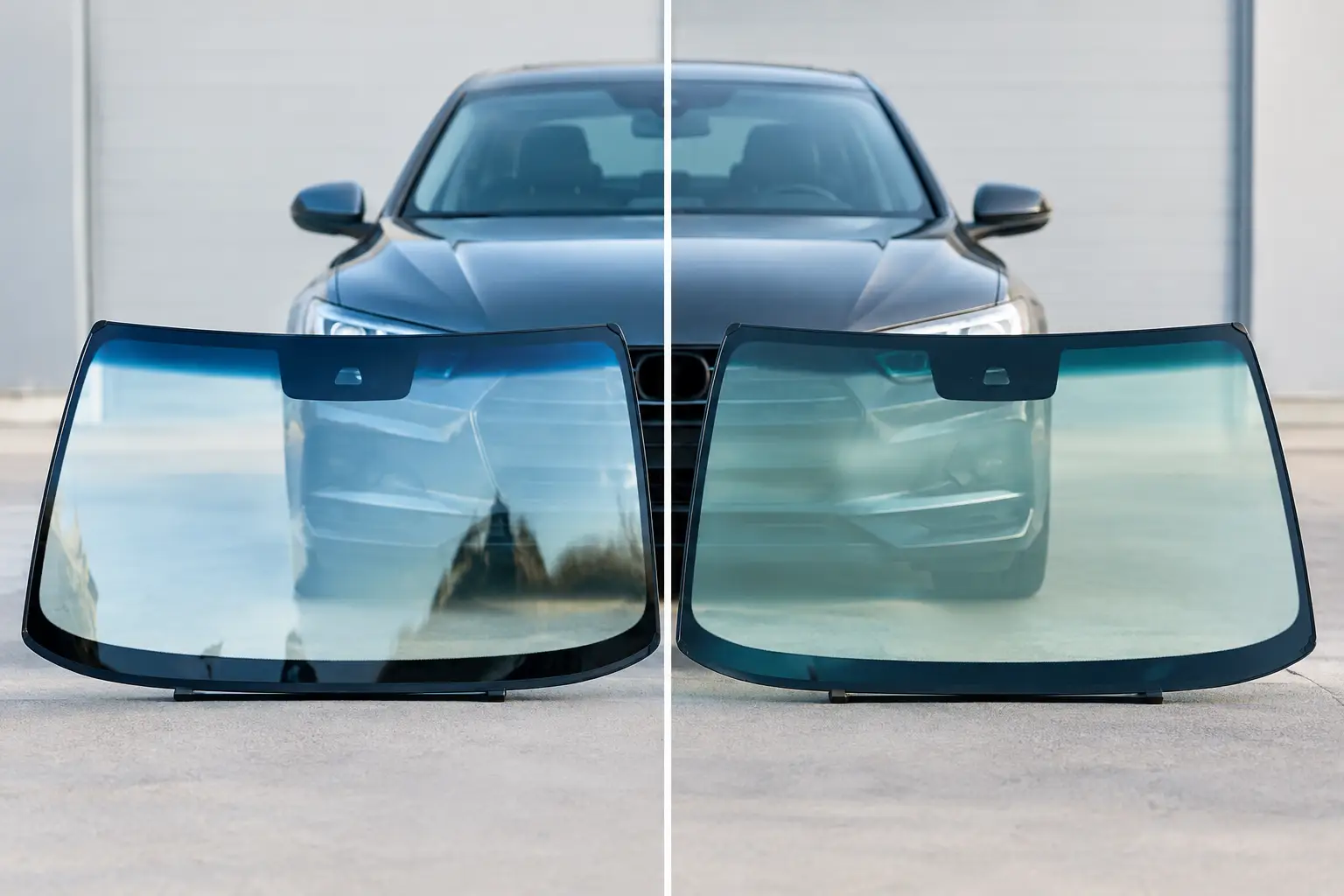
OEM Versus Aftermarket Windscreens: Which Fits?
A windscreen replacement is not simply a matter of fitting clear glass and sending the car back on the road. When comparing OEM versus aftermarket windscreens, the right choice can affect optical clarity, cabin noise, water sealing, driver-assistance calibration and the long-term appearance of your vehicle. For a premium, ageing or restoration-worthy car, those details deserve proper attention from the start.
The best option depends on the vehicle, the specification of the original screen, the damage involved and your priorities. An OEM screen is not automatically the only sensible answer, and an aftermarket screen is not automatically a compromise. What matters is knowing precisely what is being fitted, how it will be installed and whether the full system around it will work as intended.
OEM versus aftermarket windscreens: the core difference
OEM means Original Equipment Manufacturer. In practical terms, an OEM windscreen is made by the same manufacturer that supplied the screen for your vehicle when it was new, or is supplied under the vehicle manufacturer’s approved parts programme. It will normally carry the vehicle brand’s marking alongside the relevant glass manufacturer details.
Aftermarket windscreens are replacement screens produced outside that branded supply channel. Some are made by respected glass manufacturers that also produce original equipment for vehicle makers. Others are produced to a more general specification, with variations in tint, acoustic layers, sensor brackets, heating elements or edge finishing.
This distinction matters because a windscreen is a structural component. It supports the roof in a collision, contributes to airbag performance and provides the mounting surface for cameras, rain sensors and other equipment. The glass itself is only part of the job. Adhesive choice, preparation, fitting accuracy and calibration are equally significant.
When an OEM windscreen makes sense
OEM glass is often the preferred route when a vehicle has a complex specification or when retaining factory-correct details is a priority. This is particularly relevant for high-end models, convertibles, rare vehicles and cars with a documented service history.
The main advantage is consistency. The correct OEM part should match the original screen’s shape, frit band, antenna arrangement, tint, acoustic properties and sensor mountings. For vehicles with a head-up display, heated glass, infrared coating or a forward-facing camera, this accuracy can reduce the risk of surprises during installation.
Owners restoring a vehicle may also value the original branding and correct appearance. A screen that fits physically but has the wrong shade, logo position or moulding profile can look out of place on an otherwise carefully preserved car. This may matter to a future buyer as much as it matters to the current owner.
There can also be practical value in choosing OEM for a newer vehicle under manufacturer warranty, particularly where advanced driver-assistance systems are involved. If there is a later concern over compatibility, the paper trail is clear: the vehicle has received the specified branded replacement part.
The trade-off is cost and availability. OEM windscreens can be considerably more expensive, and some parts take longer to source. Paying more is justified when the part carries a meaningful technical or preservation benefit, not merely because it has a vehicle badge on it.
Where a quality aftermarket screen can be the right choice
A high-quality aftermarket windscreen can offer excellent performance and sensible value, especially for vehicles without unusual glazing specifications. The key word is quality. Reputable glass manufacturers work to safety standards and may supply screens with the same basic construction as original equipment, even if the replacement glass does not carry the vehicle maker’s logo.
For a straightforward replacement on a commonly available model, a suitable aftermarket screen may provide reliable fitment, clear vision and proper durability at a lower cost. That can be a practical decision where insurance cover has limits, where the vehicle is older, or where the original branded screen is no longer readily available.
However, aftermarket is not one uniform category. A quote that simply states “aftermarket glass” leaves important questions unanswered. The screen may differ from the original in its acoustic laminate, solar control, camera mounting bracket, antenna connections or side moulding compatibility. A lower initial price can lose its appeal if additional work is needed to resolve wind noise, trim issues or sensor errors later.
For this reason, the conversation should be about the exact screen specification, not only the label on the glass. Independent advice is valuable here. A specialist should explain where an aftermarket alternative is genuinely equivalent and where an OEM part remains the more prudent choice.
Safety systems must be checked, not assumed
Modern windscreens often carry technology that drivers barely notice until it stops working. Cameras behind the rear-view mirror can support lane-keeping assistance, automatic emergency braking and traffic-sign recognition. Sensors may control automatic wipers, headlights, climate systems or dimming functions.
After a windscreen replacement, these systems may require recalibration. This is not an optional finishing touch. A camera that is even slightly out of position can read the road incorrectly, and warning systems may not perform as designed. The required process varies by manufacturer and vehicle model, so it must be confirmed before fitting begins.
A proper assessment should also identify whether the vehicle has a heated screen, head-up display, acoustic glass, a rain sensor, a camera, an antenna or special tinting. Ordering the wrong screen can create delays, but fitting it regardless creates a poorer outcome.
Fitment quality matters as much as the glass
Even the correct OEM windscreen can disappoint if it is fitted carelessly. Bonding surfaces need to be cleaned and prepared correctly. The adhesive must be suitable for the vehicle and allowed the proper curing time. Exterior trims, scuttle panels, rear-view mirror mounts and interior linings must be removed and refitted without damage.
Poor installation can lead to water ingress, wind noise, rattles, damaged clips, disturbed dashboard trims or corrosion around the aperture. On a convertible or a vehicle with delicate interior finishes, careful protection of surrounding materials is essential. These are not jobs for shortcuts.
At 8 Cushion, the focus is on disciplined, in-house workmanship and a clear understanding of the vehicle before work is approved. That approach helps ensure the screen, related trims and interior areas are handled as one complete job rather than as separate tasks passed between providers.
Questions to ask before approving replacement glass
Before choosing between OEM and aftermarket glass, ask for the part specification in plain terms. Confirm whether the proposed screen includes the correct sensor and camera provision, heating, acoustic layer, tint and mouldings. If the car has driver-assistance equipment, establish whether calibration is required and how it will be completed.
It is also sensible to ask whether replacement clips, seals or trims are included where needed. Reusing tired mouldings may save a small amount initially but can affect the final appearance and seal. For older vehicles, the condition of the surrounding frame should be checked before the new screen is bonded in place.
Insurance may influence the decision, but it should not dictate it without discussion. Some policies specify approved repair networks or limit OEM glass cover. If you are paying an excess or contributing towards an upgrade, compare the total cost against the vehicle’s age, value, equipment and your plans for ownership.
Choose the screen that suits the car, not the cheapest label
There is no universal winner in the OEM versus aftermarket windscreens decision. OEM is often the strongest choice where factory specification, complex technology, originality or resale presentation are central concerns. A carefully selected aftermarket screen can be a sound alternative where it matches the required specification and is installed to the same high standard.
The durable decision is the one made with full visibility of the part, process and consequences. A windscreen should restore more than your view ahead. It should leave the vehicle quiet, dry, safe and properly finished – exactly as a specialist repair should.
Related posts
Convertible Roof Repair vs Replacement
Convertible roof repair vs replacement explained clearly - when a repair is enou
When Dashboard Restoration Is Worth the Repair
Dashboard restoration can renew a faded, cracked or lifting car interior. Learn
Door Panel Restoration Guide for Lasting Results
A practical door panel restoration guide for assessing wear, choosing proper mat