


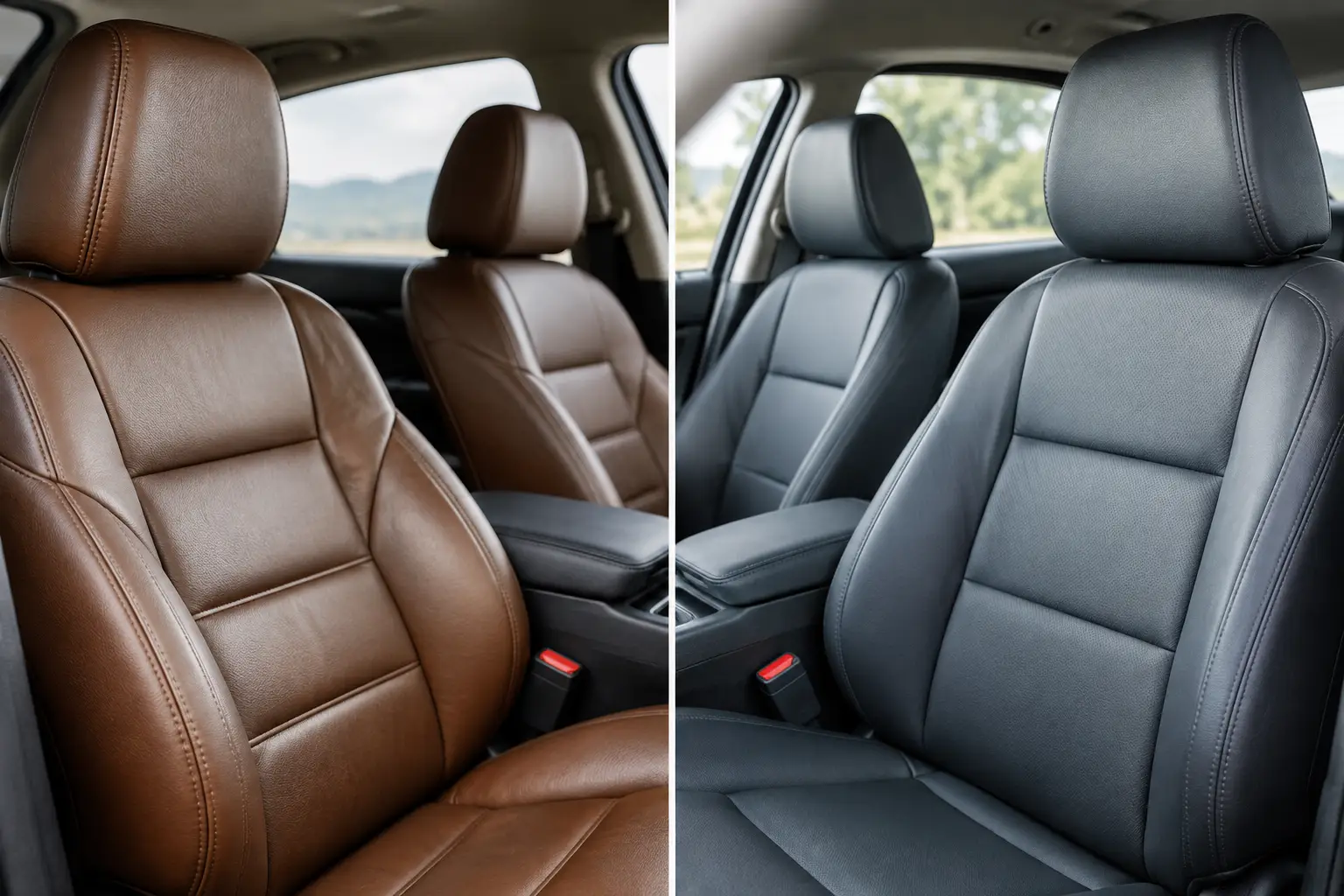
Leather Versus Vinyl Upholstery for Your Car
A driver’s seat can look acceptable from the doorway and still tell a very different story once you sit in it. Creased bolsters, a sticky surface, faded panels or cracked stitching all affect comfort, pride of ownership and the impression a vehicle makes. Leather versus vinyl upholstery is therefore not simply a question of appearance. It is a decision about how the cabin will wear, feel and be maintained over the years ahead.
For Singapore vehicle owners, heat, humidity, daily use and prolonged sun exposure make the choice more practical still. The right material depends on the vehicle, the condition of the existing trim, how it is used and whether the aim is a sympathetic restoration or a fresh new look.
Leather versus vinyl upholstery: the real differences
Leather is a natural hide that has been tanned, finished and prepared for automotive use. Good automotive leather has a depth, grain and suppleness that develops character with age when it is properly cared for. It is commonly selected for premium vehicles, classics and owners who value an original or more refined cabin finish.
Vinyl is a synthetic upholstery material, typically built around a fabric backing with a protective surface layer. Modern automotive vinyl can closely resemble leather from a distance and, in some applications, at close range. It offers a broad range of colours, grains and finishes, including options designed to replicate period-correct materials.
Neither material is automatically the better choice. Leather can be the right answer for a cherished executive saloon or restoration project, while quality vinyl may be the more sensible choice for a family vehicle, commercial-use vehicle or open-top car exposed to regular weather changes. Material selection should follow the job, not a trend.
Feel, appearance and authenticity
Leather has a tactile quality that vinyl does not fully duplicate. It tends to feel more natural, softer and more breathable, particularly once the cabin has cooled. Its surface also changes with use: gentle creasing and a richer patina can add character when the leather is of good quality and has not been neglected.
That character is not suitable for every owner. Some people prefer a consistently uniform finish, especially in a newer car where they want the cabin to look clean and even for as long as possible. Vinyl generally holds its visual consistency well and is available in textures that can match the original interior surprisingly closely.
Authenticity matters most in restoration work. If a vehicle left the factory with leather seating, replacing it with vinyl can alter its feel and may reduce its appeal to future buyers who care about originality. The reverse is also true. Many older cars used vinyl on seats, door cards or trim panels, and fitting leather everywhere can make a restoration look less faithful rather than more luxurious.
A specialist workshop should assess the original specification, available material options and the condition of surrounding trims before recommending a replacement. Matching only the colour is rarely enough. Grain, sheen, stitch pattern, piping, panel shape and foam condition all influence the final result.
Heat, humidity and everyday comfort
Singapore’s climate is demanding on vehicle interiors. A car parked outdoors can become extremely hot, and trapped moisture can accelerate deterioration where the upholstery, foam and backing materials are already compromised.
Leather can become hot under direct sunlight and may feel firmer until the cabin cools. It also needs regular conditioning to retain its flexibility. Without care, leather can dry out, lose its protective finish and begin to crack, especially on high-contact areas such as the driver’s outer bolster.
Vinyl is also capable of becoming very hot in direct sun. Its non-porous surface can feel sticky against bare skin, and lower-grade vinyl may harden or split as it ages. However, quality automotive vinyl is generally easier to wipe clean and is less affected by spilled drinks, muddy footwear and the everyday mess created by children or pets.
For convertible owners, the decision deserves extra care. An open-top car may see stronger ultraviolet exposure, more dust and more variation in temperature and moisture. A durable, automotive-grade vinyl can be a practical choice for areas that need frequent cleaning. For a premium convertible or a vehicle being preserved for the long term, leather may still be appropriate, provided the owner is prepared to maintain it and the correct protective approach is used.
Durability is about material quality and workmanship
It is tempting to describe leather as durable and vinyl as economical, but that shortcut overlooks the factors that decide whether an interior lasts. Low-grade leather with a thin finish can wear poorly. Cheap vinyl can crack, peel or shrink. Equally, excellent leather and quality automotive vinyl can both provide years of service when properly fitted.
The condition of the seat beneath the cover is just as significant. Worn foam allows the upholstery to stretch and crease. Broken support wires or tired webbing create uneven pressure points. Old adhesive can fail on door cards and trim panels. Re-covering a seat without addressing these underlying faults may improve its appearance briefly, but it does not deliver a proper restoration.
Careful removal, inspection and preparation are part of disciplined upholstery work. The material must be cut accurately, sewn with suitable thread and tensioned correctly during installation. Openings for headrests, switches, airbags and seatbelt components need precise handling. These details separate a cover that merely fits from an interior that looks factory-considered and remains secure in daily use.
Cleaning and maintenance requirements
Vinyl is usually the lower-maintenance option. Routine care involves vacuuming debris from seams, wiping the surface with a suitable cleaner and avoiding harsh products that leave a slippery or overly glossy residue. It is practical for owners who need a resilient cabin finish and prefer straightforward upkeep.
Leather requires a little more attention, but maintenance need not be complicated. Dust and grime should be removed before they work into the grain, and a suitable leather cleaner and conditioner should be used at sensible intervals. The goal is not to make the leather shiny. It is to keep it clean, flexible and protected without altering its natural appearance.
Both materials benefit from sunshades, sensible parking habits and prompt attention to spills. If a seam begins to open, a bolster starts to wear through or a panel has become loose, early repair is normally more cost-effective than waiting until a complete replacement is necessary.
Cost, value and choosing the right scope
Leather normally costs more than vinyl because of the material itself and the level of selection required to achieve a consistent finish. It can support the perceived value of a premium vehicle and may be worthwhile where originality, comfort and presentation are priorities.
Vinyl can provide strong value where durability, easy cleaning and budget control matter more than natural-hide feel. It is not automatically a compromise. In the right specification, it can be an excellent material for seat backs, door cards, utility vehicles and period interiors.
The sensible question is not, “Which is cheaper today?” It is, “What result do I expect from this car over the next few years?” A daily-driven vehicle with regular passengers may benefit from durable vinyl in selected areas. A weekend classic may justify leather that matches its original character. Some projects also use both materials effectively, pairing leather seating surfaces with vinyl sides or backs where appropriate to the original design and intended use.
When replacement is not the only answer
Not every worn leather seat needs a full retrim. Surface wear, minor colour loss, loose stitching or localised damage may be repairable, depending on the material’s condition. Likewise, a vinyl panel that has lifted or split in one area may not require an entire interior replacement.
A proper inspection should identify what can be retained, what must be rebuilt and what should be replaced for a consistent result. Restoration-led work avoids discarding serviceable components unnecessarily while still refusing shortcuts that compromise safety, fit or finish.
At 8 Cushion, this assessment is handled with the practical view that every vehicle has different needs. In-house workmanship allows the condition of the existing upholstery, foam and trim structure to be considered together, with a clear recommendation on material, scope and expected outcome.
The best upholstery is the one that suits the vehicle and the way you use it. Choose leather when its feel, originality and long-term character justify the care it requires. Choose quality vinyl when resilience, cleanability and a controlled finish better serve the car. In either case, insist on correct automotive-grade material and careful fitting, because the craftsmanship beneath the surface is what you will live with every time you open the door.
Related posts
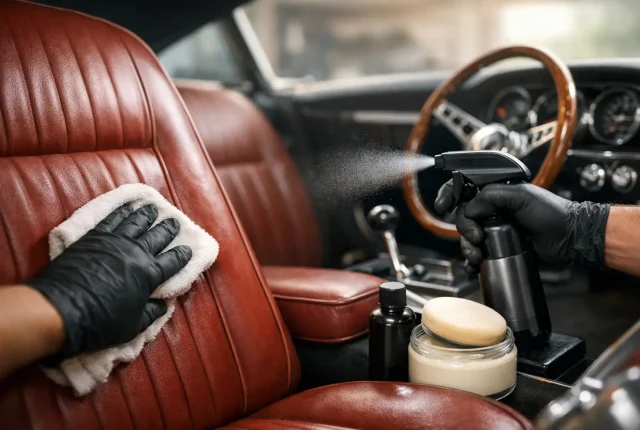
How to Protect Classic Car Interior Properly
Learn how to protect classic car interior trim, leather, vinyl and roof lining w
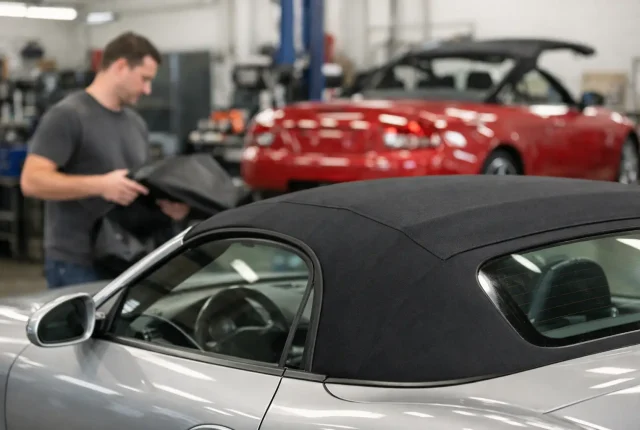
How to Find Convertible Replacement Tops Near Me
Looking for convertible replacement tops near me? Learn what to check, what affe
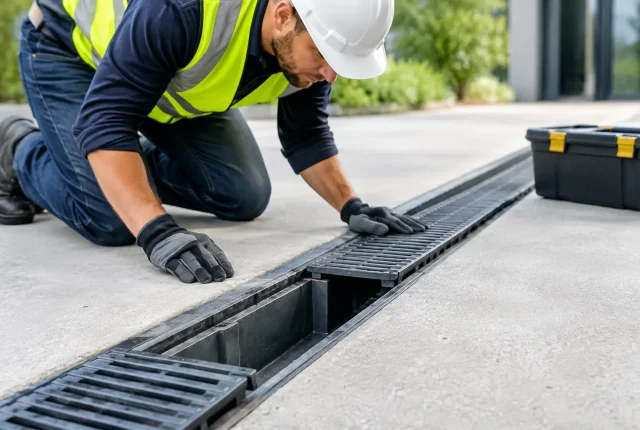
Convertible Drain Channel Inspection Guide
A convertible drain channel inspection helps prevent leaks, mould and interior d