


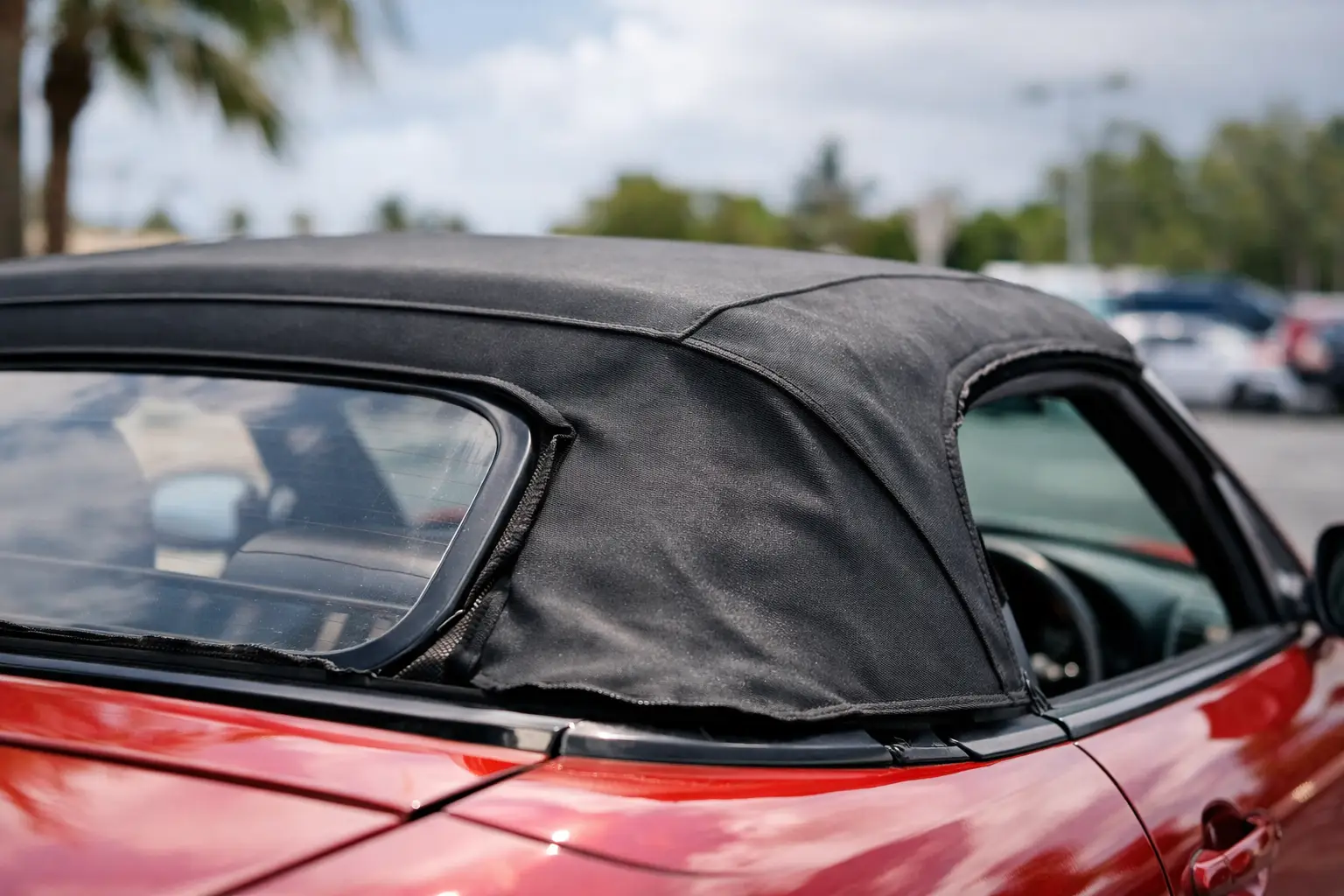
What Causes Convertible Top Shrinkage Over Time?
A convertible roof that once closed with one smooth movement can gradually become a two-person job. The front edge may stop short of the windscreen header, the side windows may no longer meet their seals cleanly, or the fabric may feel unusually tight when the roof is raised. So, what causes convertible top shrinkage? Usually, it is not one isolated fault. It is the combined effect of material ageing, heat exposure, moisture, cleaning habits and a roof mechanism that may no longer be operating as it should.
For convertible owners, the key is to act before a tight roof begins pulling on seams, stressing the frame or allowing water past the seals. A specialist inspection can separate normal material ageing from a repairable fitting or mechanism issue.
What causes convertible top shrinkage?
Most soft tops are made from fabric over a rubberised or layered backing, supported by tension cables, bows and a folding frame. These materials are designed to flex, but they are still affected by time and environment. As the hood ages, its fibres and backing can lose elasticity. The result is a roof that has less give when stretched across the frame.
Heat is a major contributor. Constant exposure to strong sun can dry the fabric and gradually harden the backing layer. In a hot, humid climate such as Singapore’s, the roof also deals with repeated cycles of heat, rain and high moisture. That expansion-and-contraction cycle can accelerate ageing, particularly where a vehicle is parked outdoors for long periods.
Shrinkage is sometimes more noticeable after a roof has been left folded down for weeks or months. The material takes a set in its folded position, while the areas that need to stretch over the frame become less willing to return to their original shape. This does not always mean the hood has permanently failed, but forcing it closed can create further damage.
Ageing fabric and loss of flexibility
Convertible-top fabric does not usually shrink in the same way as a cotton garment. Rather, it becomes less elastic, and the effective fit of the roof changes. The outer cloth, inner lining, adhesive layers and stitching can all age at different rates. When these layers no longer move together properly, the hood can feel tight, uneven or distorted.
The first signs are often subtle. You may notice extra effort is needed at the front latches, a corner lifts away from the frame, or the roof sits slightly high before it is secured. A small change in fit can be enough to compromise sealing around the windows and windscreen.
Older premium vehicles and restoration projects need particular care here. A replacement hood may look similar from a distance, but the material weight, backing construction, tension characteristics and pattern accuracy affect how it fits over time. Correct material selection matters as much as correct installation.
Stitching, seams and rear-window areas
Seams carry concentrated tension. Once fabric loses flexibility, the stitching and seam tape are asked to do more work every time the roof is raised. Rear-window surrounds are also common stress points, especially where glass, plastic or bonded sections meet flexible material.
If a seam begins to pull, or the material near the rear window appears stretched or puckered, do not assume it is only cosmetic. It may indicate that the roof is being tensioned unevenly. Early repair can preserve more of the original hood and avoid a larger replacement scope.
Heat, UV exposure and incorrect cleaning
A convertible roof is exposed to more than rain. UV radiation, airborne contaminants, tree residue and traffic film can sit on the fabric and weaken its protective finish. When the surface becomes dry, faded or rough, the roof is more likely to absorb moisture and lose its intended flexibility.
Harsh household cleaners are a frequent problem. Strong detergents, solvents, bleach-based products and stiff brushes can strip water-repellent treatments and damage fibres. They may make a roof look cleaner in the short term, but they can leave the material dry and vulnerable. The same applies to unsuitable dressings that leave residue or attract dust into the weave.
A proper cleaning routine uses products suited to the specific hood material, followed by appropriate protection. However, cleaning is maintenance, not a cure for an aged or poorly fitting top. If the roof is already difficult to close, treatment alone will not restore the correct dimensions.
Moisture can make the problem worse
Water does not directly shrink every convertible top, but it can worsen the conditions that lead to poor fit. Repeated wetting and slow drying can affect backing layers, adhesives and stitched areas. Trapped moisture inside the hood or around the frame can also encourage mould, staining and corrosion in hidden components.
Blocked drains are especially relevant. Water that should exit through designed drainage channels may overflow into the roof structure, cabin trim or rear compartments. The owner may first notice damp carpets, misted windows or a musty smell, while the roof mechanism and seals are already being exposed to moisture.
Drying a wet roof properly is sensible, but excessive heat should be avoided. Parking in direct sun immediately after washing may seem practical, yet rapid heating can add stress to an already tired material. A shaded, ventilated area is the better option when possible.
Frame alignment and mechanism faults can mimic shrinkage
Not every tight convertible roof has shrunk. Worn hinges, stretched tension cables, misaligned bows, tired hydraulic components or damaged latch mechanisms can prevent the frame from reaching its correct position. The hood then appears too small because the structure beneath it is no longer opening or closing on its intended geometry.
This is why forcing the latches is a poor solution. It can bend components, tear fabric at the front edge or pull the roof out of alignment further. A roof that suddenly becomes difficult to close, rather than gradually tightening over years, deserves a closer check of the mechanism before the material is blamed.
Window alignment matters too. Frameless door glass and convertible seals are designed to meet in a precise sequence. If a window sits too high, too low or too far out, it can catch the roof seal and make the hood appear misfitted. The correct repair may involve adjustment rather than a new top.
Storage habits and infrequent use
Convertible roofs benefit from regular, careful operation. Leaving a hood folded down for extended periods can create deep creases and keep the fabric under uneven compression. Conversely, leaving a damp roof raised without ventilation can trap moisture in the material and lining.
For a car that is driven occasionally, raise and lower the roof periodically on a dry day, provided the mechanism is functioning correctly. This keeps moving parts from sitting unused and allows you to spot changes in fit before they become serious. Do not operate the hood when it is heavily soiled, frozen, or carrying standing water.
If long-term storage is planned, store the vehicle with the roof clean, dry and fully raised where practical. A breathable car cover is generally kinder to the fabric than a non-breathable cover that traps humidity. The exact approach depends on the vehicle, storage conditions and roof type, but moisture control should always be part of the decision.
When repair is possible and when replacement is wiser
A specialist can often improve a roof’s fit by addressing alignment, cables, latches, seals or localised seam damage. Minor tightening concerns may be manageable if the material remains supple and structurally sound. Where the hood has severe hardening, widespread cracking, failing seams or detached backing layers, replacement is usually the more reliable option.
The trade-off is straightforward. A small repair can be cost-effective when it protects a sound original roof. Continuing to patch a top that has reached the end of its service life can lead to repeated leaks, poor appearance and damage to surrounding trim. Clear assessment before work begins helps avoid spending on temporary fixes that do not hold.
At 8 Cushion, convertible-top work is assessed as a complete system: the fabric, seals, frame, tension points and surrounding interior trim. That in-house approach supports proper accountability, particularly when a vehicle needs restoration-level care rather than a quick cosmetic remedy.
A convertible hood should close without excessive force and protect the cabin without compromise. If yours has begun to resist, leave the latches alone and have the fit checked while the issue is still contained. Prompt, careful attention can protect the roof, preserve the vehicle’s finish and keep open-top driving enjoyable when the weather allows.
Related posts
Is Car Upholstery Repair Worth It? A Clear View
Is car upholstery repair worth it? See when skilled restoration protects comfort
Classic Car Trim Restoration Guide for Lasting Results
A classic car trim restoration guide covering inspection, materials, repair choi
How to Replace Torn Car Upholstery Properly
Learn how to replace torn car upholstery with sound repair choices, suitable mat