


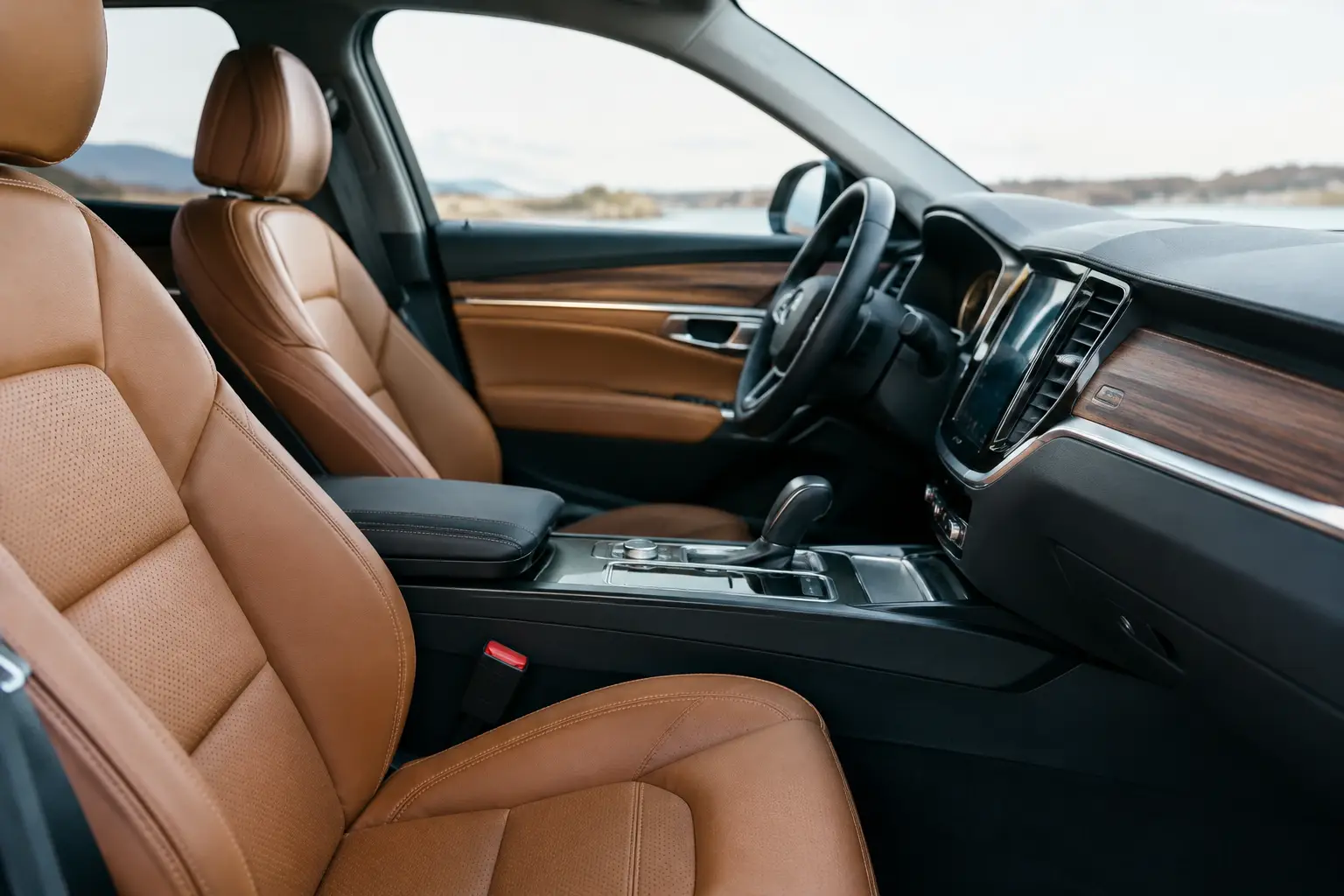
Vehicle Interior Personalisation That Lasts
A steering wheel polished smooth by years of use, a sagging roof lining, or a cracked seat bolster can make an otherwise well-kept car feel tired every time the door opens. Vehicle interior personalisation is not simply about making a cabin look different. Done properly, it restores the parts you touch, see and rely on while making the space more suited to how you use the vehicle.
For some owners, that means returning a premium car to its original character. For others, it means a more durable trim choice for family use, a refreshed convertible hood, or upholstery that reflects a carefully considered colour scheme. The best result is rarely the loudest one. It is the one that feels right for the vehicle, fits precisely and continues to perform after months of heat, humidity and daily driving.
Start with the vehicle, not the catalogue
A good personalisation project begins with an honest inspection. Before choosing leather, stitching or trim colours, the underlying condition needs attention. Foam may have collapsed beneath a worn seat cover. A headlining that has dropped may point to deteriorated backing material rather than a simple adhesive failure. Water ingress around a convertible top can affect more than the fabric itself.
This is where specialist advice matters. Replacing the visible surface without addressing the supporting materials can produce a short-lived improvement. Conversely, replacing every part when only a carefully matched repair is needed can add cost without adding value. The right scope depends on the car’s age, condition, intended use and the owner’s priorities.
Originality also deserves consideration. On a restoration-worthy vehicle, retaining the correct grain, piping style and panel layout can protect its character and resale appeal. On a regularly used family or executive car, an upgraded material with better wear resistance may be the more practical choice. There is no universal answer, which is why the consultation should come before the work begins.
Vehicle interior personalisation is more than colour
Colour is often the first decision people make, but it should not be the only one. A light cabin can feel open and premium, yet pale upholstery will show dye transfer, denim marks and everyday scuffs more readily. Dark trim is generally more forgiving, although an entirely dark interior may make a smaller cabin feel enclosed. Contrast stitching can add definition, but it needs to suit the seat design rather than compete with it.
Material selection carries even greater weight. Automotive leather, synthetic leather, fabric and Alcantara-style finishes each have a place, but they behave differently over time. The right choice is not necessarily the most expensive option. It is the material that suits the surface, the vehicle’s use and the owner’s willingness to maintain it.
Seats and touchpoints need practical durability
Driver’s seats, steering wheels, gear selectors and armrests experience concentrated wear. These areas need materials that tolerate friction, body oils, sunlight and regular cleaning. A soft, delicate finish may look impressive on collection day but disappoint if it is used heavily without the right protection.
Seat comfort should be considered alongside appearance. Reupholstery provides an opportunity to assess support foam, bolster shape and loose sections before new covers are fitted. A well-finished seat is not only neat at the seams. It holds its form, supports the occupant properly and allows normal seat functions to operate as intended.
Roof linings set the standard for the whole cabin
A roof lining occupies a large visual area, so even a minor sag can affect the entire interior. It also demands careful preparation. Old foam residue must be removed fully, surfaces cleaned correctly and the new material applied with a suitable method. Rushing this stage can lead to rippling, weak edges or another failure in warm conditions.
The material should match the vehicle’s purpose. Some cars benefit from an original-style cloth finish, while others may suit a darker lining or a more contemporary texture. Pillars, sunroof panels, grab handles and lighting surrounds must be removed and refitted with care. A tidy headliner is a complete installation, not just fabric attached above the seats.
Convertibles require a different level of planning
For a convertible, personalisation often extends beyond cabin trim. The soft top, rear window area, seals and roof-lining components work together. A change in material or colour needs to be appropriate for the frame, folding action and drainage design. It must also stand up to ultraviolet exposure, rain and repeated opening and closing.
A convertible hood that looks good but sits under tension in the wrong places is not a successful result. Alignment, fastening points and weather sealing are just as important as the finish. This is specialist work that benefits from in-house control from assessment through to fitting.
Fit and construction decide whether it feels original
The difference between a pleasing interior and an exceptional one often appears in the details. Straight stitching, consistent tension, correctly positioned seams and cleanly finished edges all influence how the finished work looks and wears. So does the way panels are cut. Material needs sufficient allowance to be shaped and secured without creating unnecessary bulk or strain.
Modern vehicles add another consideration: integrated functions. Seats may contain airbags, occupancy sensors, heating, cooling or electrical adjustments. Door panels can include switches, ambient lighting and delicate clips. A personalisation project must account for these features from the outset. Improvised fitting around safety components is not an acceptable shortcut.
The same discipline applies to windscreens and surrounding trim. If a windscreen replacement is part of a wider refurbishment, the work should protect dashboard surfaces, pillars, seals and sensors. A clean handover depends on careful removal, correct preparation and attention to the areas that are normally hidden from view.
Plan the scope before choosing the finish
It is tempting to focus on one visible problem, such as a torn driver’s seat, then discover later that the passenger seat, centre console and door trims no longer match. Sometimes a targeted repair is exactly right. At other times, a coordinated approach offers better visual balance and a more sensible long-term result.
Discuss the project in stages. First, identify repairs that affect function, safety or water resistance. Then decide which worn surfaces should be restored or replaced together. Finally, consider personal details such as stitching colour, piping, embossed elements or trim inserts. This order prevents decorative decisions from distracting from essential repairs.
Budget should be clear from the beginning. Transparent pricing means understanding what is being removed, repaired, replaced and refitted, rather than receiving a vague figure for a “full interior”. It also helps to ask whether materials are held and handled properly before fitting, and whether core work is completed in-house. Direct workshop accountability reduces the uncertainty that can arise when several parties are involved.
Avoid changes that date the vehicle quickly
Personalisation should express taste, but restraint often protects value. Extremely bright colours, heavily contrasting panels and imitation finishes can appeal initially yet become difficult to live with or sell later. This does not mean every interior must remain factory standard. It means changes should respect the lines, proportions and quality level of the car.
A useful approach is to choose one defining feature and let the rest support it. That may be a rich upholstery colour, a subtle contrast stitch or an original-style roof lining that brings the cabin back to life. Small, well-executed changes usually look more expensive than multiple competing details.
It is also worth thinking about maintenance before committing. Light leather requires regular care. Suede-like materials can mark easily. Glossy trim can show scratches. Owners who travel with children, pets, sports equipment or work items may be better served by materials chosen for resilience rather than appearance alone.
Choose workmanship you can inspect
A vehicle interior is full of curves, moving parts and concealed fixings. Quality cannot be judged only from a material sample or a photograph. It is seen in panel alignment, seat movement, clean edges around switches and the absence of rattles after reassembly.
At 8 Cushion, the focus is on specialist, in-house work because control over each stage matters. From upholstery and roof linings to convertible tops and windscreen-related work, proper preparation and disciplined fitting help protect both the finish and the vehicle beneath it. There are no middleman mark-ups to disguise the scope of the work, and no need to treat an important restoration as a general workshop task.
The most rewarding personalisation is the kind that still feels considered long after the first drive. Choose materials you can live with, workmanship you can trust and a finish that gives your vehicle a more comfortable, more valuable place in your everyday life.
Related posts
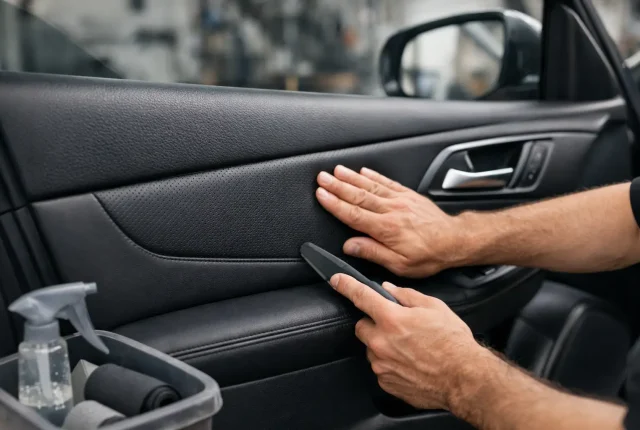
Door Panel Upholstery Repair That Lasts
Door panel upholstery repair restores loose, warped or worn trims with lasting r
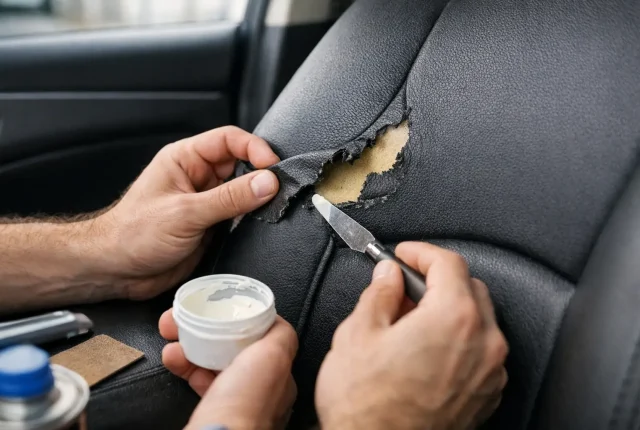
How to Fix Peeling Car Upholstery Properly
Learn how to fix peeling car upholstery properly, when a DIY repair is enough, a

Inside The Car Was Her Special Place
The little girl always loved going out, sitting in her father’s car as he drov