


Is Car Upholstery Repair Worth It? A Clear View
A driver’s seat with split leather, a sagging headlining or a torn door trim can make an otherwise well-kept car feel tired every time you get in. So, is car upholstery repair worth it? In many cases, yes – provided the repair is planned around the true condition of the material, the vehicle’s value and the standard of finish you expect.
Upholstery is not merely decorative. It affects comfort, cabin quietness, daily enjoyment and the impression your vehicle gives to passengers or prospective buyers. For premium, ageing and restoration-worthy cars, retaining the correct interior character can matter just as much as maintaining the paintwork or mechanical condition.
Is car upholstery repair worth it for your vehicle?
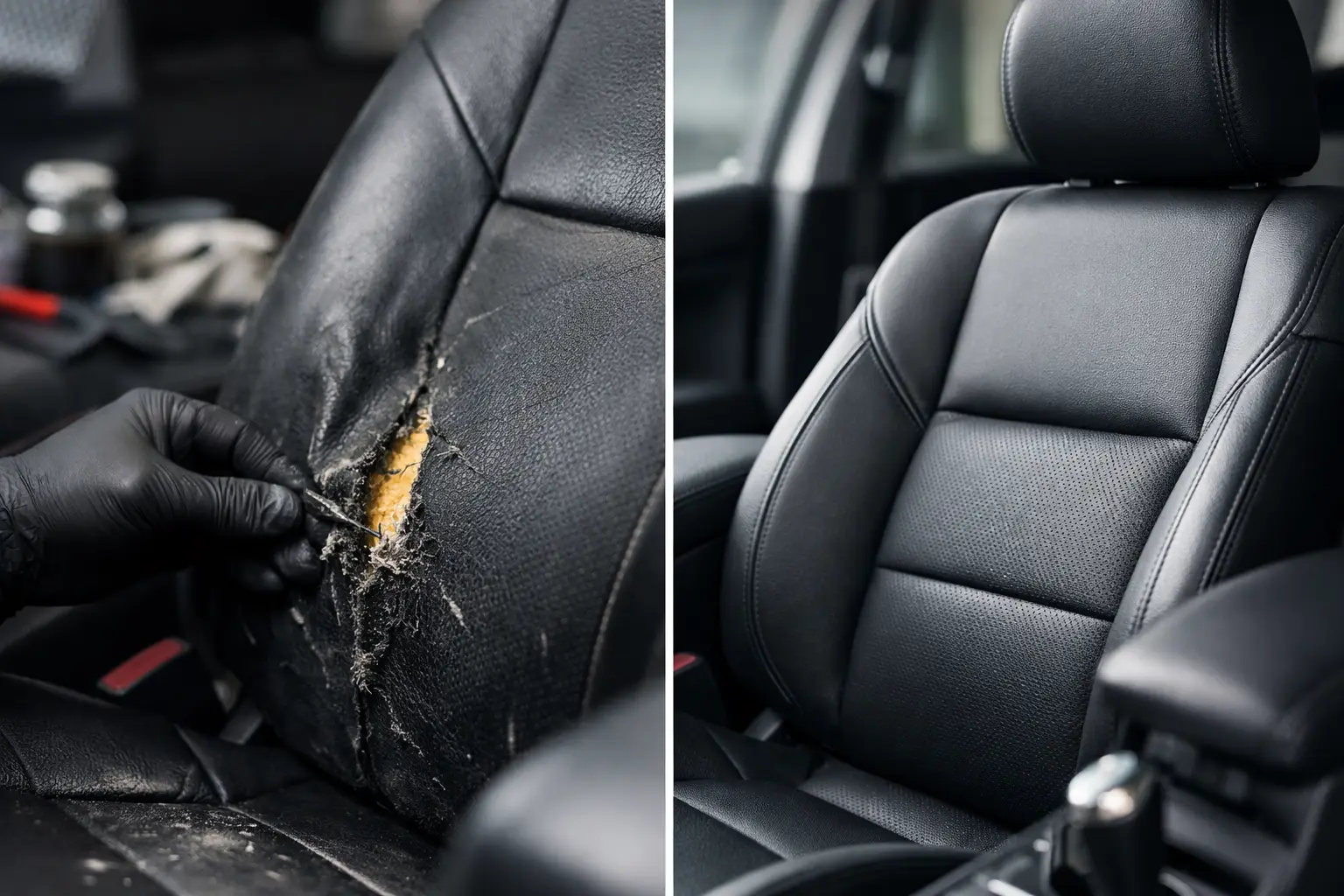
The sensible answer depends on whether the problem is localised or whether the material has reached the end of its serviceable life. A small tear, worn bolster, loose seam or detached roof lining is often a strong candidate for repair. Addressing it early can prevent a minor defect from becoming a larger restoration project.
A repair is especially worthwhile when the existing upholstery is fundamentally sound. Good leather may need a carefully matched repair to one panel rather than a complete retrim. A cloth seat with a damaged section may be restored without changing every seat. A headlining that has come away from its backing can often be renewed properly, bringing back a clean, taut finish to the cabin.
The calculation changes when deterioration is widespread. Leather that has hardened and cracked across multiple panels, foam that has collapsed, fabric weakened by prolonged sun exposure, or trims damaged by water ingress may require replacement rather than a cosmetic repair. In that situation, attempting the cheapest possible patch can create an uneven result and lead to further cost later.
The right question is not simply, “What is the lowest-cost fix?” It is, “What work will return the interior to a condition I can rely on?”
Repair can protect value beyond the cabin
Interior condition carries real weight when a car is sold, traded or assessed. Buyers may accept normal age-related wear, but visible damage suggests that other areas of care could have been neglected. A worn driver’s bolster, stained seat, sagging roof lining or peeling trim can reduce confidence before the engine is even started.
For a vehicle you intend to keep, the benefit is more immediate. You sit in the cabin every day. Properly repaired seating improves support and comfort, while renewed interior trim removes the sense that the car is gradually falling apart. This matters particularly in Singapore’s heat and humidity, where material fatigue, adhesive failure and UV exposure can accelerate cabin deterioration.
There is also a sustainability case for restoration. Replacing complete seats or large trim assemblies simply because one area is damaged creates unnecessary waste. Skilled upholstery repair preserves usable materials where possible and replaces only what can no longer perform or present properly. That approach respects both the vehicle and the owner’s budget.
When repair is the better investment
A well-executed repair tends to offer the best value in a few common situations. The first is isolated wear. The outer edge of the driver’s seat takes repeated friction from getting in and out, so a worn bolster does not automatically mean the entire seat needs replacing.
The second is original-material preservation. Owners of older, premium or enthusiast vehicles often want to maintain the cabin’s factory appearance. A specialist can assess whether the existing leather, vinyl or fabric can be repaired, recoloured or selectively renewed without losing the original look.
The third is functional damage with an otherwise tidy interior. Loose stitching, torn seat panels, damaged door cards and dropped headlinings can affect the whole cabin’s appearance, yet may have a contained cause. Rectifying the specific fault is normally more proportionate than replacing every related component.
Convertible owners should be particularly careful about interior damage near the roof, windows and weather seals. Water entry from a tired soft top, blocked drainage or failing seal can affect trims, carpets and seat materials. Repairing upholstery without dealing with the source of moisture is false economy. The interior work must be considered alongside the convertible top and surrounding seals.
When replacement is more honest than repair
There are occasions when replacement is the disciplined recommendation. Upholstery materials age differently, and no amount of surface treatment can restore strength to leather, fabric or vinyl that has become brittle throughout.
Replacement may be the better route when damage extends across several matching panels, the backing foam has lost its shape, previous repairs are visibly poor, or a material is no longer stable enough to stitch or bond securely. It can also make sense when the owner wants a complete colour or material change as part of a wider restoration.
The important point is transparency. A specialist workshop should explain where a repair will blend well, where it may remain visible, and where replacing a panel or complete section will produce a more durable finish. Promising an invisible repair on badly aged material may win a quick job, but it does not create peace of mind.
The quality of the work decides the value
Car upholstery repair is worth paying for when the workshop treats it as a restoration task rather than a quick cover-up. Different vehicles use different grades of leather, cloth, foam, adhesives and fixing methods. The materials must be selected, stored and handled correctly. The trim must also be removed and refitted with care so that clips, electrical components, seat functions and surrounding panels are not compromised.
Colour matching is another practical consideration. Even if the original colour code is known, years of sunlight and use can alter the appearance of the remaining upholstery. A professional assessment considers the condition of the surrounding material, the texture and grain, and whether a local repair will sit naturally beside it.
Fit matters just as much. Loose covers, uneven seams and poorly tensioned headlining stand out immediately. The finished work should follow the original contours of the seat or roof, with clean edges and secure attachment points. This is where in-house workmanship brings a clear advantage: the people responsible for the finished result can inspect the work at every stage rather than passing responsibility between multiple parties.
At 8 Cushion, the focus is on assessing the actual condition before recommending a route forward. That means considering whether preservation, targeted repair or replacement gives the owner the most dependable result, without unnecessary middleman mark-ups.
Cost should be judged against the alternative
The upfront price of professional upholstery work can feel significant when compared with a temporary cover, adhesive patch or do-it-yourself kit. However, those quick measures often conceal rather than resolve the fault. They can also make later restoration more difficult if incorrect glues, mismatched materials or poor stitching damage the original trim.
A better comparison is between professional repair and the cost of living with progressive deterioration. Once a small seam opens, surrounding material can pull further. Once a headlining begins to sag, the adhesive breakdown normally spreads. Once water reaches the cabin, mould, odour and electrical issues can follow. Timely attention may reduce the final scope of work considerably.
For a lower-value daily car, a targeted repair can still be worthwhile if it improves usability and prevents a safety or comfort issue. For a valuable vehicle, a classic or a well-specified convertible, workmanship and material matching become more central because poor trim work can undermine the car’s appeal.
What to ask before approving upholstery work
Before committing, ask for a clear explanation of the proposed scope. You should know whether the work involves repairing the original material, replacing a panel, renewing foam, retrimming a full section or addressing an underlying issue such as moisture ingress.
Ask how closely the material and colour can be matched, and whether any variation is likely due to age or sun fading. It is also reasonable to ask whether the work is completed in-house, how the vehicle will be protected during the job, and what the expected finish should look like. Straight answers at the beginning help prevent disappointment later.
Photographs alone do not always reveal the full condition of upholstery. A workshop inspection allows the specialist to check stitching, backing, foam, fixings and hidden water damage. It also gives you a more accurate basis for deciding whether repair is genuinely worthwhile.
A cared-for interior changes how a car feels long before it changes its resale figure. If the underlying materials remain sound and the work is carried out properly, upholstery repair is not an indulgence. It is a practical way to preserve the comfort, character and integrity of a vehicle you still value driving.
Related posts
How to Protect Classic Car Interior Properly
Learn how to protect classic car interior trim, leather, vinyl and roof lining w
Rear Windscreen Demister Repair: What Matters
Rear windscreen demister repair: practical advice on failed heater lines, durabl
Best Windscreen Replacement Glass Options Explained
Compare the best windscreen replacement glass options, from OEM to quality after