


Sun Damaged Car Upholstery Repair Guide
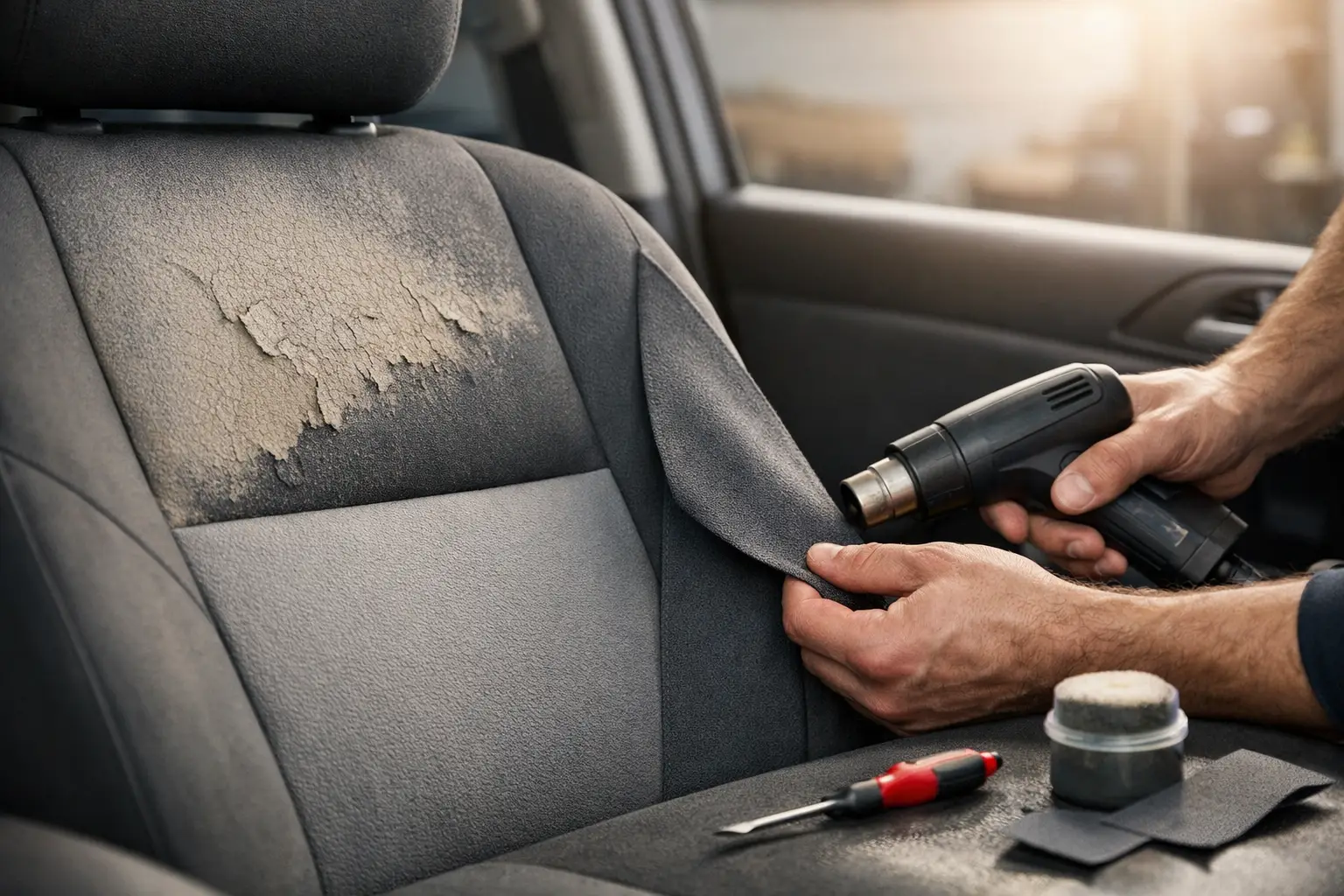
A faded seat bolster, a brittle dashboard insert, a door panel that has gone chalky at the edges – sun damage rarely appears all at once. It builds slowly, then suddenly the cabin looks older than the car really is. That is why sun damaged car upholstery repair should start with proper assessment, not guesswork or a rushed cosmetic fix.
In Singapore, interiors take a hard beating. Heat, UV exposure and daily parking conditions can dry out leather, weaken adhesives, bleach fabric and distort trim. For owners who care about comfort, appearance and long-term value, the real question is not simply how to cover the damage. It is how to restore the interior properly, with the right repair scope for the material, the age of the vehicle and the standard you expect.
What sun damage actually does to upholstery
Sun damage is not one problem. It is a chain of material failures that shows up differently across leather, vinyl, fabric and foam-backed trim. Leather may lose oils, stiffen and crack at stress points. Vinyl can shrink, harden and pull away from edges. Fabric can fade unevenly, while the foam beneath it may become brittle and stop supporting the surface properly.
This matters because visible damage is often only part of the story. A seat that looks dry may also have weakened stitching. A door card that appears slightly warped may have failing adhesive behind the trim. When repair decisions are made from the surface alone, the result is usually short-lived.
A specialist workshop will look at the full condition of the panel, not just the obvious mark or split. That is especially important in older vehicles, premium interiors and restoration projects where colour matching, grain consistency and material behaviour all affect the final result.
Sun damaged car upholstery repair – when repair works and when it does not
Not every sun-damaged interior needs complete replacement. Equally, not every damaged surface should be patched and redyed. The right route depends on how far the material has deteriorated.
Minor fading, surface dryness and early wear can often be corrected if the underlying material remains structurally sound. In these cases, cleaning, surface preparation, recolouring or localised repair may restore a much cleaner and more uniform finish. This can be a sensible solution when the damage is limited and the owner wants to preserve as much original trim as possible.
Once cracking is deep, the substrate has hardened, or panels have shrunk out of shape, replacement becomes the more honest option. This is common with heavily exposed seat tops, parcel shelves, door inserts and sections near the windscreen. Trying to rescue material that has already lost stability often leads to repeat failure, uneven finish or a repair line that remains visible.
There is always a trade-off. A targeted repair can control cost and retain originality, but only if the material still has life in it. A partial retrim or replacement costs more upfront, yet it usually gives a more durable outcome when the sun damage has gone beyond surface level.
The areas most often affected by UV and heat
Seats are usually the first thing owners notice, but they are not always the worst affected. In many cars, the upper surfaces of rear seats, headrests and door tops receive stronger daily exposure than the areas people touch most.
Dashboards and roof-adjacent trim also suffer because of constant heat build-up. Adhesives age faster there, which can lead to lifting fabric, curling edges and separation from backing boards. In convertibles, the exposure pattern is even harsher. Direct light, cabin temperature swings and moisture changes can all speed up deterioration across upholstery and surrounding trim.
If one area looks badly faded, it is worth inspecting nearby panels at the same time. Interior materials tend to age as a system. Repairing one section without reviewing the rest can leave obvious mismatch or miss hidden failures that show up shortly after.
Why material matching matters more than most owners expect
Good interior repair is not just about making damage less visible. It is about restoring the cabin so it still feels coherent. That depends on matching the right material type, texture, colour and finish level.
Leather is the clearest example. Two black seats can still look completely different if the grain, sheen or softness is off. The same applies to vinyl and synthetic trim. A replacement panel may technically fit, but if it reflects light differently or has a noticeably different surface pattern, the interior will never look properly resolved.
This is why disciplined in-house work matters. Proper assessment, sample comparison and controlled production lead to tighter results. It also gives clearer accountability. If the same workshop handles diagnosis, trimming and fitting, there is less room for mismatch between what was promised and what was delivered.
Sun damaged car upholstery repair for leather, fabric and vinyl
Leather interiors
Leather can often be restored when fading, dryness and light surface cracking are caught early. Cleaning and refinishing may improve appearance significantly, but only if the hide has not become brittle. Once the surface has fractured deeply or stretched out of shape, section replacement is usually the better route.
In premium vehicles, owners are often tempted to repair only the worst seat panel. Sometimes that works. Sometimes it highlights how tired the surrounding panels have become. A proper workshop will say so plainly, because selective repair only makes sense when it will still look balanced afterwards.
Fabric upholstery
Fabric tends to show sun damage through bleaching and loss of colour depth. If the fabric itself has not thinned or detached from backing, limited restoration may be possible. But where the material has weakened, replacement is often necessary.
The challenge with fabric is consistency. Even when one section is the most visibly damaged, the adjacent material may have faded enough to make a new insert stand out. That is why fabric repairs often need broader planning than owners first expect.
Vinyl and synthetic trim
Vinyl is common on door panels, seat sides and dashboards. It can handle wear well, but prolonged UV exposure often causes hardening, shrinkage and edge pull. Once that starts, adhesives and backing materials may already be compromised.
Local repair can help with limited damage, but when panels have distorted, retrimming or replacement gives a more stable result. Simply sticking lifted material back down rarely addresses the root cause.
What a proper repair process should include
A serious upholstery repair job starts with inspection in person, under proper light, with attention to both cosmetic and structural issues. Photographs are useful, but they do not always show stiffness, shrinkage or hidden backing failure.
From there, the workshop should define the real scope clearly. Is this a surface restoration, a panel repair, a partial retrim or a full replacement? Are neighbouring sections likely to need attention for matching? Is the goal preservation, daily-use durability or restoration-standard appearance?
This clarity protects the owner. It avoids a situation where a low initial quote turns into repeated fixes because the original diagnosis was too optimistic. It also allows for transparent pricing based on the actual work, rather than vague promises.
Why quick fixes often cost more later
There are many off-the-shelf products marketed as easy solutions for faded or cracked interiors. Some have a place for temporary improvement. Most are not a substitute for proper upholstery work.
Heavy conditioners cannot reverse structural cracking. Surface dyes applied without proper preparation often wear unevenly. Adhesive fixes on heat-damaged trim may hold briefly, then fail again once the cabin temperature rises. In the worst cases, DIY attempts contaminate the material and make later professional repair more difficult.
For owners of ageing, premium or enthusiast vehicles, this matters. A poor repair does not just look untidy. It can reduce the integrity of original trim, complicate restoration and affect resale impressions.
How to slow future sun damage after repair
Once the upholstery has been restored, protection becomes part of ownership. Parking habits matter. Covered parking helps, but even partial shade reduces heat stress over time. Windscreen shades are useful, especially for dashboards, front seats and upper door trims.
Regular cleaning also makes a difference because dirt and body oils can accelerate surface breakdown, particularly on leather. The right care products help maintain finish, but product choice should match the actual material. Leather, coated leather, vinyl and fabric all behave differently.
Most importantly, deal with early signs quickly. Slight fading, dryness or lifting trim is far easier to correct than advanced cracking and shrinkage. Small intervention at the right time often preserves more of the original interior and keeps cost under better control.
For owners who want the cabin to match the standard of the rest of the car, sun damage is worth treating properly, not cosmetically. The best repair is not always the biggest job. It is the one that suits the material, respects the vehicle and is carried out with the discipline to last. If your interior has started to show the effects of heat and UV, get it assessed before minor ageing turns into irreversible loss.
Related posts
Vintage Dashboard Restoration Done Properly
Vintage dashboard restoration protects the character, safety and value of a clas
How Long Does Upholstery Repair Take for Cars?
How long does upholstery repair take? Learn what affects car repair times, from
How to Protect Classic Car Interior Properly
Learn how to protect classic car interior trim, leather, vinyl and roof lining w