



Roof Lining Restoration Done Properly
A sagging car roof lining usually doesn’t fail all at once. It often starts with a small drop near the back, some bubbling above the passenger seat, or fabric that feels loose after the car heats up in the Singapore sun. When the adhesive gives way, fixing the roof lining is not just about looks—it’s also about bringing back comfort, safety, and the overall quality of your car’s interior.
Many car owners think a sagging headliner is just a small trim problem, but it’s more serious than that. A failing headliner changes how your car’s cabin looks, feels, and ages. On premium, older, or collectible cars, a bad repair is easy to spot. Wrinkles, mismatched fabric, weak glue, and damaged trim all show the job was rushed instead of being done by a specialist.
What roof lining restoration actually involves
Restoring a roof lining isn’t just about gluing the fabric back on. Most of the time, the original foam underneath has already broken down. So, trying to stick the old material back usually doesn’t last, especially in Singapore’s hot and humid weather.
The right way to restore a roof lining starts with carefully taking out the roof lining board. This step is important because rushing can damage trims, clips, pillars, lights, and handles. After removing the board, all the old fabric and foam need to be cleaned off completely. Only then should new material be applied, using the correct glue and handling it carefully.
This is where having a specialist really matters. The roof lining covers a large, visible area, so even small mistakes stand out. If the board gets bent or damaged during removal, it may never fit properly again. Using the wrong glue can also cause the fabric to fall again once it gets hot.
Why roof linings fail in Singapore
Singapore’s climate is tough on car interiors. Heat inside parked cars and constant humidity make adhesives and foam break down faster. Over time, the backing under the fabric becomes brittle and powdery, so the fabric loses support and starts to come loose.
Age is the main reason roof linings fail, but it’s not the only one. Cars parked outside for long periods often have problems sooner. Premium cars with complex headliners are also at risk because the material has to stretch over more shapes. Past repair attempts can make things worse. For example, spray glue from below might work for a bit, but it often soaks the fabric, leaves uneven spots, and makes proper restoration harder later.
Water leaks are another problem to watch for. If you see stains on the roof lining, especially near the edges, dome lights, or pillars, it might be more than just glue failure. Leaks from the sunroof, drains, door seals, or the windscreen can damage the lining. If you don’t fix the cause, the problem will likely come back after restoration.
Repair or replace – what is the right approach?
It depends on the condition of the roof lining board, the vehicle type, and the owner’s preferences. Usually, it is retained, cleaned, and re-trimmed with new material. This preserves fitment and avoids the cost and uncertainty of sourcing replacement parts, which can be difficult for older or less common models.
Sometimes a replacement is needed if the board is broken, badly bent, very dirty, or damaged during a previous removal. Some cars have more complex roof linings due to sunroofs, built-in parts, SRS Curtains, or older plastic. In these situations, a good workshop should tell you whether restoration is still possible or whether replacement is the better choice in the long run.
What good roof lining restoration looks like
That distinction matters. Customers do not need guesswork. They need honest advice based on what their car really needs, not just what’s easiest for the workshop to sell. The fabric should sit smoothly across the full board, contours should remain neat, edges should be secure, and trim sections should be refitted cleanly. The interior should feel complete again.
Getting good results also depends on picking the right workshop. Colour, texture, and thickness all matter. If the lining is too thick, it might not fit well around pillars and openings. If it’s too thin or doesn’t match, the cabin can look obviously changed. Sometimes an exact match isn’t possible, but a good workshop will try to find a finish that fits your car’s interior rather than using a one-size-fits-all solution.
What you don’t see is just as important. Professional preparation, the correct glue work, careful storage of roof materials, highly skilled application of fabric to the board, and proper handling all help the repair last longer. Roof lining jobs often fail not because the idea was wrong, but because the process wasn’t managed well.
Why quick fixes usually cost more later
Many owners only seek specialist help after trying a cheaper fix first. Pins, surface glue, patching, and mobile repairs might seem easy, but they usually don’t solve the real problem. Once the foam is gone, the old fabric has nothing solid to stick to.
Shortcuts don’t just fail again—they can also make things worse. They might cause more work, damage delicate trim, stain the fabric, or bend the board. A job that could have been fixed easily can become more difficult if it’s treated as a quick patch rather than a proper repair.
For people with enthusiast, luxury, or older cars, cutting corners can be especially costly. The condition of the cabin really affects how you feel about your car and how others see it when it’s time to sell. A sagging headliner looks like neglect, but a neat, well-restored interior helps your car look its best.
Choosing a workshop for roof lining restoration
Restoring a roof lining is a specialist job, not just an extra service. The workshop you pick should know how to inspect the materials, carefully remove and refit interior parts, and handle all the work in-house, so they’re responsible for the whole process.
Doing the work in-house is more important than many people think. When jobs are sent to different locations, communication becomes harder, and quality control declines. If something goes wrong, it’s not always clear who is responsible. A specialist workshop that handles everything in-house can properly inspect your car, explain what to expect, manage the process, and stand by their work.
It’s also important to notice how the workshop talks to you. A good specialist will ask about symptoms, water stains, past repairs, and how you use your car. They should be clear about what the job covers, how long it will take, and any risks, such as brittle trim or hidden damage. These things should be discussed upfront, not used as excuses later.
When to act
This is where a workshop like 8 Cushion sets the standard many owners want: specialist care, no outsourcing of key work, and a focus on doing the job right rather than just doing it cheaply. If your roof lining has just started to loosen; it is worth getting it assessed early. A minor sag can become a complete drop, especially after repeated heat exposure. The longer it hangs, the more likely the material is to crease, separate further, or interfere with visibility and cabin use.
Taking care of the problem early also means you’re more likely to get a cleaner repair. The roof lining board, trim, and nearby materials are likely still in good condition, which will help the final outcome.
A good car interior should always feel safe, complete, and well-maintained. When the roof fabric starts to fail, the problem only gets worse over time. If done right, roof lining restoration brings your cabin back to the standard it should have had from the start—tidy, secure, and made to last.
Related posts
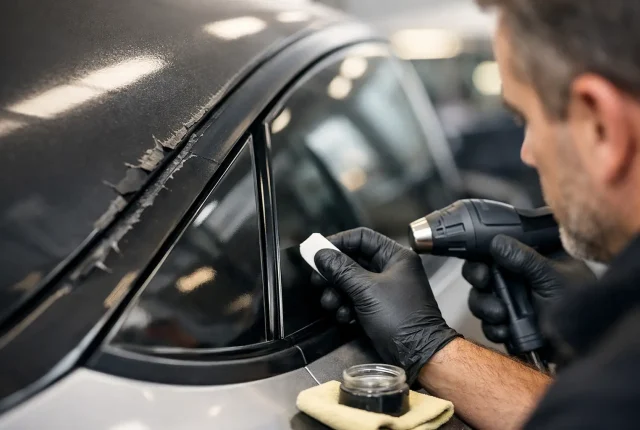
Benefits of Repairing Car Trim Before It Spreads
Discover the benefits of repairing car trim early, from protecting cabin comfort
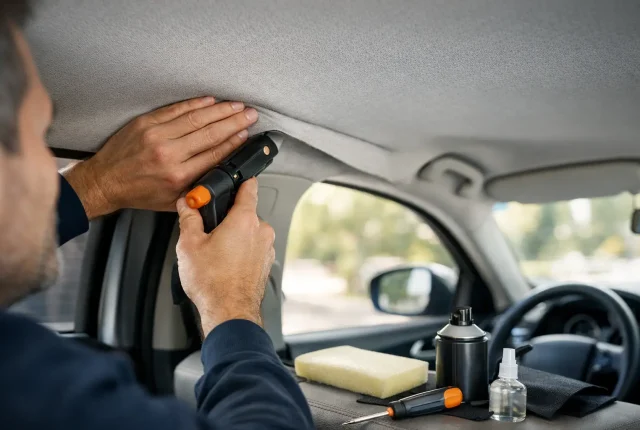
Car Roof Liner Repair Guide for Lasting Results
A car roof liner repair guide for owners dealing with sagging fabric, adhesive f
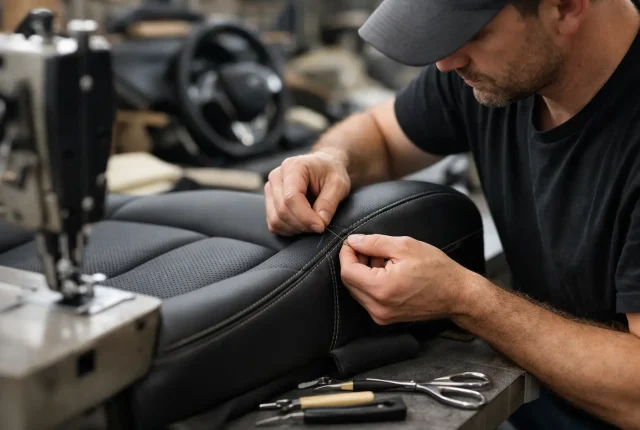
How to Learn Automotive Upholstery Properly
Learn how to learn automotive upholstery with the right tools, practice plan, ma