


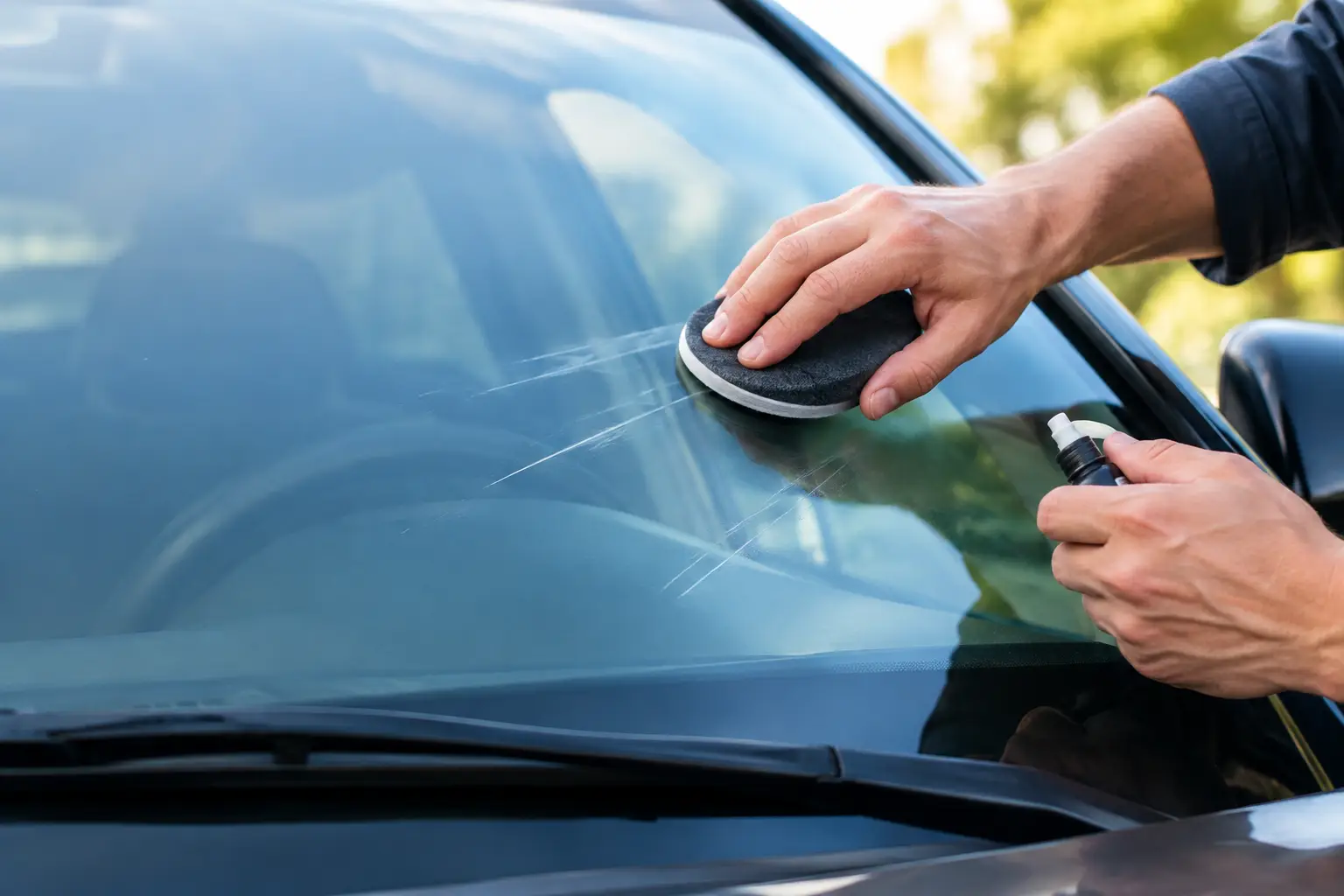
Can Windscreen Scratches Be Removed Safely?
A windscreen can look acceptable in the workshop or car park, then become a serious distraction the moment headlights hit it at night. Fine marks in the driver’s line of sight scatter light, create glare and make wet-weather driving more tiring. So, can windscreen scratches be removed? Sometimes – but only when the damage is shallow, limited and assessed correctly.
The right answer is not to polish every mark until it disappears. Windscreen glass is part of the vehicle’s safety system. A poor repair can distort the view ahead, weaken optical clarity or leave the surface uneven. For scratches that are too deep or too central, replacement is the responsible solution.
Can windscreen scratches be removed without replacement?
Light surface scratches can often be reduced through controlled glass polishing. These are commonly caused by worn wiper blades, trapped grit, improper cleaning tools or dry wiping on a dusty windscreen. They may be visible in direct sunlight or under streetlights, but they cannot usually be felt with a fingernail.
Professional polishing uses an appropriate glass compound, the correct pad and careful control of pressure, speed and heat. The aim is to remove a very small amount of glass around the scratch and blend the affected area back into a smooth surface. This work requires patience. Removing material too aggressively can create a low spot or optical distortion that is more distracting than the original mark.
A successful polish may make light marks far less visible rather than making every trace vanish. That distinction matters. Honest advice should focus on safe visibility and the condition of the glass, not an unrealistic promise of a brand-new finish.
The fingernail test is useful, but not final
As a basic guide, run a clean fingernail gently across the scratch. If the nail catches, the mark may be too deep for a safe cosmetic polish. If it does not catch, it may be a candidate for assessment and refinement.
This is only an initial indication. Location is equally important. A shallow scratch directly in front of the driver can still be troublesome because even slight distortion becomes noticeable when looking through it for extended periods. A similar mark near the edge of the windscreen may be less critical, although it should still be checked for cracks or other damage.
An experienced workshop will inspect the glass under good lighting, identify whether the issue is a true scratch or surface contamination, and consider the windscreen as a whole. A mark caused by failing wipers may be accompanied by many smaller arcs across the glass. In that case, replacing the blades without addressing the affected surface may not be enough, while polishing only the glass without resolving the wiper issue invites the damage to return.
When windscreen replacement is the better choice
Polishing is not suitable for every form of damage. Replacement should be considered when the scratch is deep, long, widespread or positioned where it affects safe vision. It is also the sensible route where there are cracks, chips with spreading legs, delamination around the edges or damage that compromises the glass structure.
Replacement is particularly worth discussing in four situations:
- The scratch catches a fingernail or has a visibly sharp, deep channel.
- There is glare, haze or distortion in the driver’s primary viewing area.
- The windscreen has multiple wiper arcs, pitting or broad abrasion rather than isolated light marks.
- The vehicle has advanced driver-assistance cameras or sensors that may require proper recalibration after glass replacement.
Modern windscreens do more than keep out wind and rain. Depending on the vehicle, they can support cameras, rain sensors, heads-up displays, heated elements and acoustic insulation. The correct replacement glass and proper installation method matter. A lower initial price is poor value if it leads to wind noise, leaks, sensor faults or compromised visibility later.
For premium, classic and restoration-worthy vehicles, the decision can be more nuanced. Original glass may be worth preserving if its damage is genuinely minor and polishing can be performed without creating distortion. Conversely, a vehicle with a heavily marked screen often benefits more from correct replacement than repeated attempts to improve tired glass.
Why DIY scratch removal carries risk
DIY windscreen scratch kits can appear straightforward, especially when the damage seems small. The problem is that glass polishing is not like polishing paintwork. Paint has a clear coat designed to be corrected within limits. A windscreen must remain optically true across a large, curved viewing surface.
Poor technique can build up heat in one area, introduce haze or leave a visible lens effect. Household abrasives, harsh compounds and improvised tools may make the scratch look worse. Some products also leave residue that masks the mark temporarily, only for it to reappear after washing or rain.
There is also a practical question of value. If a scratch is shallow enough to be safely improved, professional assessment and controlled workmanship offer a better chance of an acceptable result. If it is too deep, trying several kits first may waste time and still end with a replacement. The disciplined approach is to determine the repair limit before material is removed.
What a proper windscreen assessment should cover
A useful assessment is not simply a glance at the glass. The workshop should establish how the damage occurred, inspect it from inside and outside the vehicle, and check its relationship to the driver’s sightline. Lighting conditions matter because certain scratches are far more apparent under oncoming headlights than they are in daylight.
The surrounding components also deserve attention. Hardened wiper rubber, a bent wiper arm, debris beneath the blade or a damaged washer system can all mark replacement glass just as easily as the old screen. Where relevant, these causes should be corrected as part of the work scope.
For replacement work, owners should understand the specification of the glass being fitted and whether any camera or sensor procedure is required afterwards. Clear advice at the beginning prevents surprises after installation. It also allows the work to be planned around the vehicle’s age, equipment level and intended use.
At 8 Cushion, the emphasis is on practical, independent advice and work handled in-house. That means recommending polishing where it is genuinely appropriate, and being direct when replacement will provide the safer, longer-lasting outcome.
Preventing new scratches after repair or replacement
The simplest protection is regular wiper maintenance. Replace blades when they chatter, smear, split or leave lines on the glass. Do not operate wipers on a dry, dusty windscreen, and use washer fluid before clearing grime. During washing, rinse loose grit away before wiping the glass with a clean, suitable cloth.
Avoid scraping at bonded-on contamination with metal blades or rough pads. If tree sap, mineral deposits or overspray are present, have the surface cleaned with products and methods intended for automotive glass. Keeping the windscreen clear is not merely cosmetic – it reduces glare, supports safer driving and lets the vehicle’s cameras and sensors work with a clean view.
A scratch-free windscreen is not always realistic on a vehicle that is used daily. What matters is recognising the point where a minor mark becomes a visibility issue. Have it assessed early, before night glare and repeated wiper use turn a manageable concern into a replacement decision.
Related posts

Can Car Seat Leather be Repaired?
If you’ve spotted a tear, hole, or crack in your leather car seat, it’s unde
Custom Car Interior Refurbishment Done Right
Custom car interior refurbishment restores comfort, value and finish with specia
Car Roof Liner Repair Guide for Lasting Results
A car roof liner repair guide for owners dealing with sagging fabric, adhesive f