


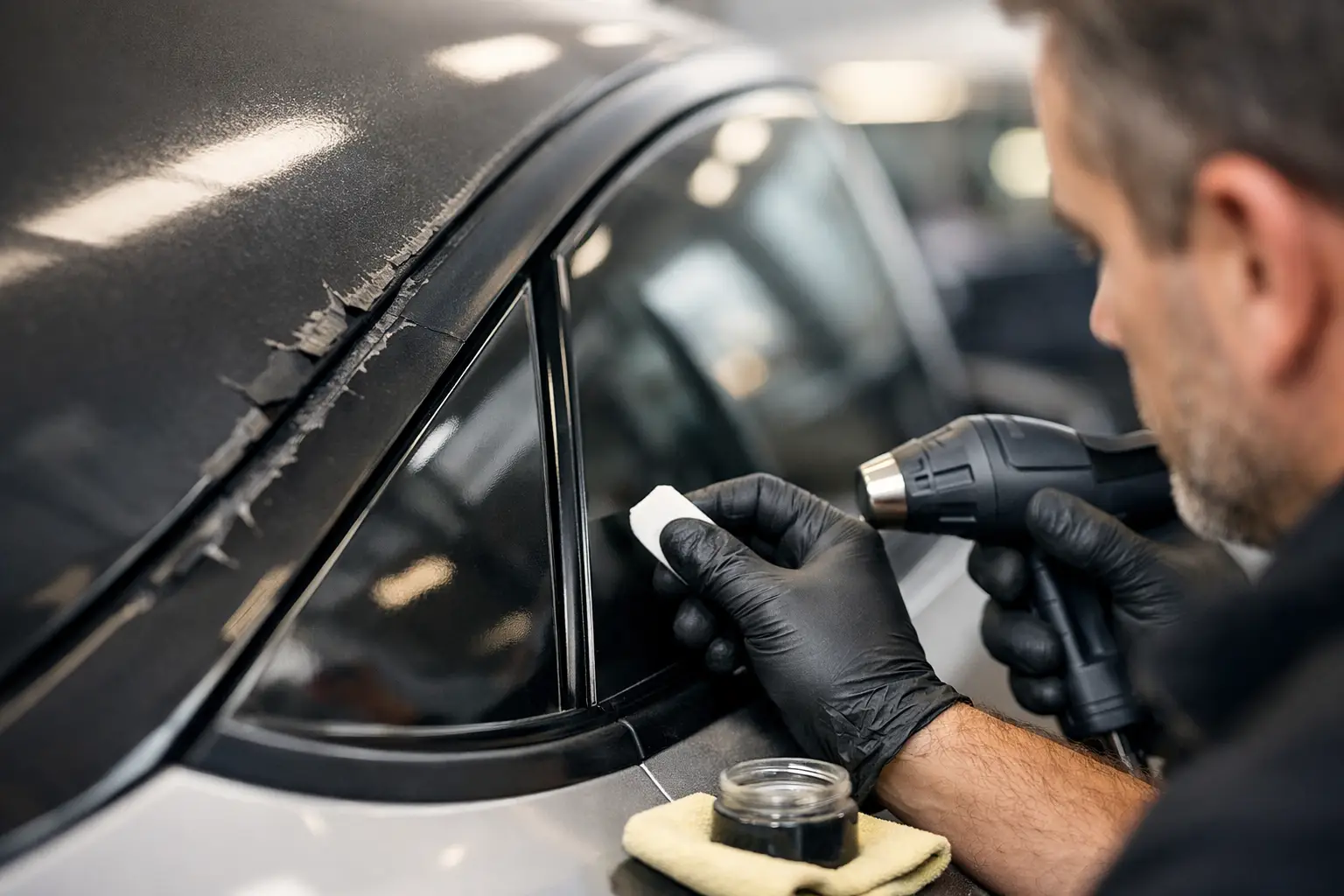
Benefits of Repairing Car Trim Before It Spreads
A loose door insert, peeling headlining or cracked seat bolster can make an otherwise well-kept car feel tired every time you get behind the wheel. The benefits of repairing car trim are not limited to appearance. Prompt, properly scoped repair protects the materials around the fault, preserves daily comfort and helps prevent a small defect becoming a larger restoration job.
For owners of premium, ageing and enthusiast vehicles, trim is part of the car’s character. It is also exposed to heat, humidity, sunlight, use and cleaning products every day. In Singapore’s climate especially, adhesives, fabrics, leather and plastics can deteriorate faster than owners expect. Treating the first signs seriously is often the most efficient and cost-conscious decision.
Benefits of repairing car trim early
Car trim is made up of connected surfaces rather than isolated parts. A sagging roof lining may begin at one edge, but once the adhesive has failed, the fabric can continue dropping across the roof. A split seat seam places additional strain on the stitching beside it. A lifting door-card insert can catch on hands, bags and belts until the backing or surrounding panel becomes damaged too.
Early repair allows the work to focus on the actual cause and affected area. Depending on the material, this may mean re-securing a component, rebuilding worn support foam, renewing a trim section, repairing a seam or replacing a deteriorated lining with suitable material. The right approach depends on the condition of the surrounding trim. A specialist should assess whether a local repair will remain durable or whether partial restoration is the more honest recommendation.
This matters because a quick cosmetic fix can look acceptable for a short time while the underlying material continues to fail. Repairing trim properly means preparing the surface, selecting compatible materials and allowing sufficient time for adhesives, stitching and refitting. It is not simply about making damage less visible.
Protect the comfort and usability of the cabin
Interior deterioration changes how a car feels to use. Foam that has collapsed beneath a seat cover reduces support on longer journeys. A loose roof lining can obstruct rearward vision or become distracting while driving. Damaged door trims may rattle, snag or leave sharp edges exposed. Even minor faults can make a vehicle feel less settled and less enjoyable than it should.
A repair restores the touchpoints owners notice most: the seat, steering-wheel area, roof, doors and centre console. It can also reduce unwanted movement and noise from loose components. For a convertible, sound insulation, weather seals and trim finishes have a direct bearing on comfort with the roof raised or lowered. These details are part of the ownership experience, not merely decoration.
There is a practical safety element too. Trim should sit securely around switches, handles, pillars and visibility areas. Where a repair involves interior panels near airbags or electrical components, careful removal and refitting are essential. This is one reason specialist workmanship is preferable to forcing panels back into place or relying on household adhesives.
Preserve the value that condition creates
Buyers often judge a car’s care level before they inspect its service records. A clean, well-fitted interior suggests that the vehicle has been treated with respect. Conversely, sagging fabric, cracked leather, missing clips and improvised repairs can create doubt about the rest of the car, even when its mechanical condition is sound.
Repairing car trim can therefore support resale value and make a vehicle easier to present when the time comes to sell. The outcome is strongest when the work respects the original design, material texture and colour. A replacement that is poorly matched may solve the immediate problem but can make the cabin look pieced together.
For classic, luxury and limited-production vehicles, correct restoration is particularly significant. Original trim is not always available, and replacement parts may be costly or impossible to source. Repairing salvageable components can retain more of the vehicle’s authenticity while avoiding unnecessary replacement. It is a measured choice: preserve what can be preserved, renew only what no longer meets the required standard.
Reduce waste without compromising quality
Replacing every worn component is not automatically the best repair plan. Many trim problems are localised. A seat may need bolster restoration rather than complete reupholstery. A roof lining may require renewal while the surrounding pillars remain sound. A convertible top may have a repairable section or fitting issue rather than needing full replacement.
This restoration-led approach reduces material waste and can make better financial sense. However, repairing is not always cheaper in the short term. Labour-intensive restoration, specialist materials and the condition of hidden backing structures all affect the cost. If the substrate has degraded extensively or a material has become brittle throughout, replacement may deliver a more reliable long-term result.
The key is independent advice based on the vehicle in front of the workshop, not a one-size-fits-all package. A clear inspection should explain what has failed, what can be retained and what result is realistically achievable.
Avoid the cost of damage spreading
The cost of trim work is often driven by removal, preparation and reinstatement, rather than the visible tear alone. Once damage spreads, more components may need to be removed and more materials may be required. Water ingress through a damaged convertible top, for example, can affect carpets, insulation, electrical connectors and interior trim below it. A failed windscreen seal may create a similar chain of problems.
Heat and moisture can also accelerate adhesive failure. If a roof lining starts to sag, pinning it up or applying adhesive over old foam may delay the proper repair but rarely resolves the deteriorated base material. The same applies to peeling leather coatings and cracked plastics: surface products have limits when the structure beneath is already compromised.
Addressing issues early gives the workshop a better chance of retaining adjacent components and keeping the scope controlled. It also lets owners plan the work at a convenient time, rather than reacting after a fault has become disruptive.
What proper trim repair should involve
A durable result starts before any material is cut or panel removed. The vehicle should be assessed for the source of the damage, including sunlight exposure, water ingress, broken fixings, prior repairs and deterioration in hidden layers. This prevents a visible repair from masking a fault that will return.
Materials should then be selected for their suitability, not simply their initial appearance. Colour, grain, thickness, backing, flexibility and resistance to cabin heat all matter. A roof lining requires different considerations from a seat panel, convertible top or dashboard trim. Correct storage and preparation of materials also affect the finish and longevity of the work.
Removal and refitting deserve the same attention as the repair itself. Clips, trims, seals and surrounding surfaces must be handled carefully. A neatly repaired panel is of little value if it returns with gaps, marks or rattles. In-house execution gives customers clearer accountability from inspection through to final fitting, without the uncertainty of core work being passed between multiple parties.
At 8 Cushion, this disciplined approach is central to interior restoration and convertible trim work. The aim is straightforward: advise honestly, carry out the agreed scope properly and return the vehicle with workmanship that holds up to real use.
When repair may not be the right answer
There are occasions when replacement is the responsible recommendation. Extensive mould, recurring water leaks, brittle plastics, severely weakened seat frames or widespread delamination may mean that local repair will not last. In these cases, trying to save every original piece can result in repeated costs and disappointment.
A trustworthy workshop should be clear about that trade-off. The best outcome is not always the smallest invoice or the most extensive replacement. It is the repair or restoration plan that gives the vehicle a sound, presentable and durable result for the way it is used.
If your trim has begun to lift, split, sag or rattle, do not wait for the fault to announce itself across the entire cabin. A careful inspection now can protect the details that make your car feel properly yours.
Related posts
Is Car Upholstery Repair Worth It? A Clear View
Is car upholstery repair worth it? See when skilled restoration protects comfort
How to Choose Convertible Hood Material
Learn how to choose convertible hood material with expert advice on fabric, viny
Eco Friendly Car Upholstery Restoration That Lasts
Eco friendly car upholstery restoration preserves comfort, value and materials.