


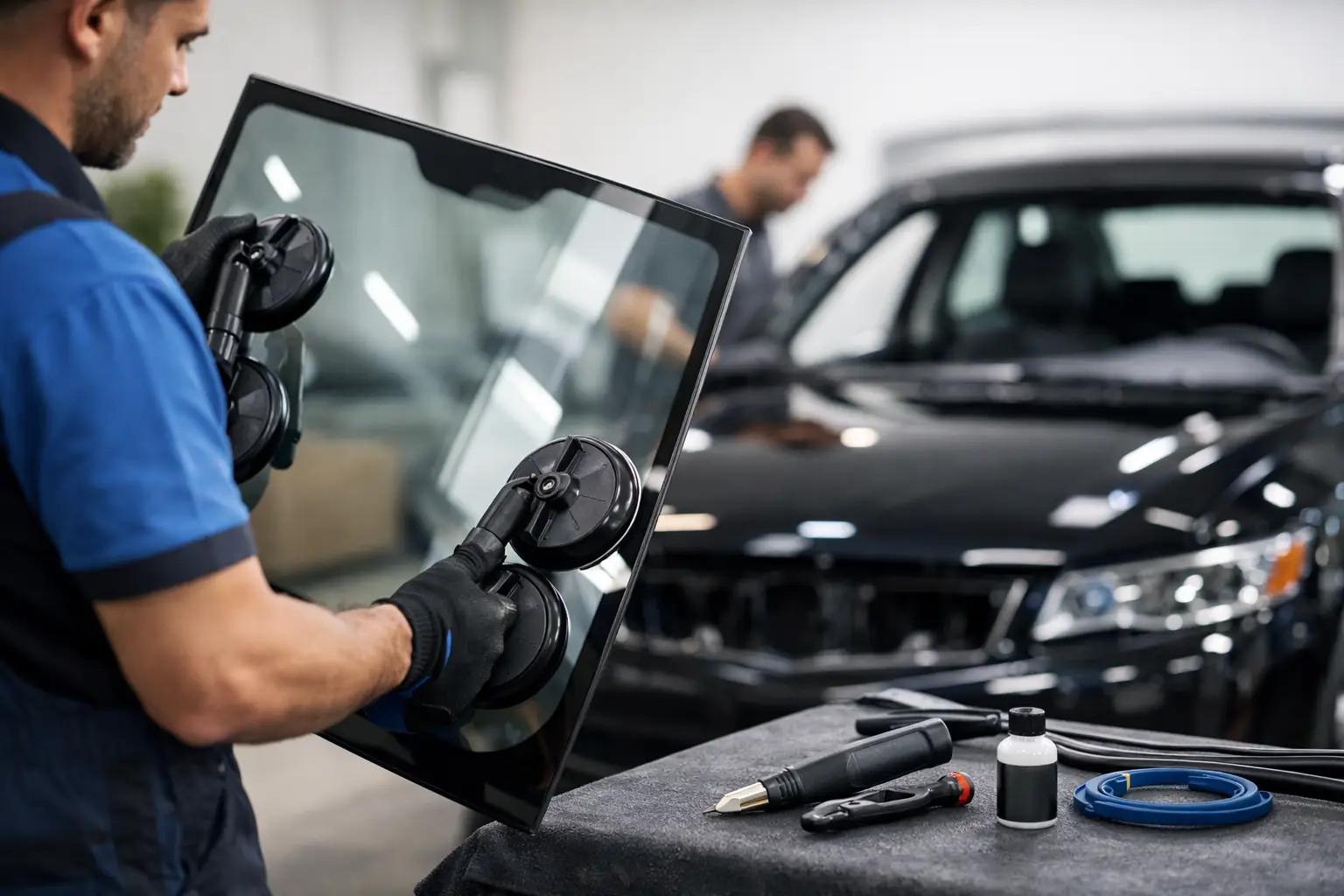
How to Choose a Windscreen Replacement Properly
A cracked windscreen is rarely just a glass problem. On many modern cars, it is part of the vehicle’s safety structure and may carry cameras, sensors, heating elements, rain sensors or aerial connections. Knowing how to choose windscreen replacement therefore means looking beyond the quickest quote or the earliest available slot.
For owners of premium, ageing or restoration-worthy vehicles, the right decision also protects fit, finish and long-term value. A replacement that looks acceptable on collection day can still create wind noise, water ingress, trim damage or calibration faults later if the preparation and installation were not handled properly.
How to choose a windscreen replacement with confidence
Start with the vehicle, not the price. A specialist should identify the exact make, model, year, body variant and specification before confirming the glass required. Two apparently identical cars can use different windscreens because of driver-assistance systems, acoustic layers, tinted bands, heating functions, heads-up display compatibility or sensor brackets.
A clear photograph of the windscreen, vehicle registration details and the vehicle identification number can help establish the correct specification. If there is a camera unit near the rear-view mirror, a rain sensor, a heated screen or a display projected onto the glass, raise this at the outset. These details affect both the glass choice and the work required after fitting.
The most suitable replacement is not always the cheapest option, nor is it automatically the most expensive one. It is the one that matches the vehicle’s required specification and is fitted through a controlled process by people who will take responsibility for the result.
Repair or replacement?
Before authorising replacement, ask whether a windscreen repair remains safe and appropriate. Small stone chips outside the driver’s primary viewing area can sometimes be repaired. However, replacement is usually the sensible route where a crack is spreading, damage reaches an edge, the impact is directly in the driver’s view, or the screen’s layers have begun to separate.
There is also a practical limit to repair. A repaired chip may be less visible, but it will not disappear completely. If the screen has multiple impacts, deep damage or a crack that is growing in Singapore’s heat, replacement offers greater certainty. An honest assessment should explain why repair is or is not suitable rather than treating replacement as the default answer.
Choose the right glass, not just any glass
Windscreen glass is commonly described as original equipment, original-equipment equivalent or aftermarket. The terms can be confusing, so ask what is actually being supplied and whether it has the required approvals and features for your vehicle.
Original equipment glass is supplied through the vehicle manufacturer’s approved parts channel. It may be the preferred choice for certain luxury, collector or highly specified vehicles, particularly where exact markings, acoustic performance or display compatibility matter to the owner. It can also cost more and may require a longer lead time.
High-quality equivalent glass can be a sound option when it is made to the correct specification and sourced from a reputable manufacturer. The crucial question is not simply whether it carries a particular badge. It is whether the glass has the correct curvature, optical quality, sensor mounting points, tint, coating and acoustic or heating properties for the car.
For a classic or restoration project, availability may determine the approach. Some windscreens are no longer readily produced, while others may need careful sourcing or may involve preserving original trims and mouldings that cannot be easily replaced. In these cases, experience in restoration work matters as much as access to the glass itself.
The fitting process determines the result
A windscreen forms part of the cabin enclosure and, on many vehicles, contributes to body stiffness and airbag performance. The adhesive bond is therefore a safety-critical part of the job. Proper fitting requires more than removing old glass and applying fresh sealant.
The technician should protect the dashboard, paintwork, roof lining and surrounding trim before removal. This is particularly relevant for vehicles with delicate interior finishes, ageing pillars, soft convertible tops or brittle mouldings. A careless cut-out can mark paint, damage clips or disturb trim that was perfectly serviceable before the appointment.
Once the old screen is removed, the aperture should be inspected for corrosion, damaged bonding surfaces and previous poor repairs. Rust beneath a windscreen is not a cosmetic issue. If it is covered without treatment, it can compromise the new adhesive bond and allow water to return. The correct next step depends on the condition found: minor preparation may be sufficient, while more serious corrosion may require bodywork before glass can be installed.
Ask how the workshop manages these findings. A transparent provider will explain the condition, show you the affected area where practical and agree any additional work before proceeding. This avoids the frustration of an apparently low quote becoming an unclear bill after the screen has already been removed.
Adhesive cure time matters
Modern windscreen adhesives have specified safe drive-away times. These vary according to the product used, temperature, humidity and the vehicle’s airbag configuration. Do not assume that a car can be driven immediately because the glass appears secure.
A disciplined workshop will advise when it is safe to collect and when to avoid high-pressure washing, harsh slamming of doors or unnecessary movement. These instructions are not an inconvenience. They protect the bond while it reaches the required strength.
Do not overlook ADAS calibration
Many vehicles use a forward-facing camera mounted behind the windscreen for functions such as lane support, emergency braking alerts, traffic sign recognition and adaptive lighting. Replacing the glass can alter the camera’s position by a very small amount, which may still be enough to affect its reference point.
Where required by the manufacturer, the camera must be calibrated after replacement. Depending on the vehicle, this may involve static calibration using targets, dynamic calibration through a controlled road procedure, or both. The requirement should be checked against the specific vehicle rather than guessed.
Ask three direct questions before booking: does my vehicle require calibration, will it be completed as part of the job, and will I receive confirmation that it has been carried out? A warning light is not the only sign of a calibration issue. Some systems can appear normal while operating outside their intended parameters.
The same care applies to rain sensors, light sensors, heated elements, heads-up display areas and antenna connections. Correct transfer or replacement of these components is part of a proper scope of work, not an optional extra discovered at collection.
Compare quotes by scope and accountability
A useful quote should make clear what is included: the glass specification, mouldings or clips where needed, removal and refitting of trim, adhesive materials, sensor work, calibration, disposal and any warranty terms. A single figure without detail makes it difficult to compare one provider with another.
Be cautious of a quotation that is far below every other option. It may be based on a different glass specification, exclude calibration, reuse damaged mouldings or leave potential corrosion unaddressed. Lower cost is not automatically poor workmanship, but you should understand the reason for the difference before agreeing.
Insurance can reduce the immediate cost, but it should not remove your right to ask questions. Confirm the excess, whether your chosen workshop can work with the insurer, the glass specification approved and whether calibration is included. If you are paying privately, a specialist workshop can often provide a more direct explanation of the options without middleman mark-ups.
Look for specialist control, especially on valuable cars
For many owners, the deciding factor is who actually performs the work. Work that is passed between multiple parties can make accountability difficult when an issue appears later. In-house handling gives a workshop tighter control over the preparation, fitting and final inspection.
At 8 Cushion, the same specialist mindset used for interior restoration and trim work is applied to protecting the vehicle around the windscreen aperture. That attention is valuable when the job involves roof linings, pillar trims, convertible components or older materials that need careful handling rather than force.
Before you commit, assess how the workshop communicates. Do they ask informed questions about your vehicle? Are they clear about lead times, possible hidden corrosion and calibration? Will they explain the glass options without pushing the most profitable one? Straight answers before the job are usually a good indication of how concerns will be handled afterwards.
A windscreen replacement should leave your car weather-tight, quiet, correctly calibrated and properly finished. Choose the workshop that treats those outcomes as part of the job from the very beginning, and you will have far more than new glass – you will have confidence each time you set off.
Related posts
Is Car Upholstery Repair Worth It? A Clear View
Is car upholstery repair worth it? See when skilled restoration protects comfort
How to Prepare Your Car for Upholstery Restoration
Learn how to prepare car for upholstery restoration with a clear workshop-ready
How to Find Convertible Replacement Tops Near Me
Looking for convertible replacement tops near me? Learn what to check, what affe