


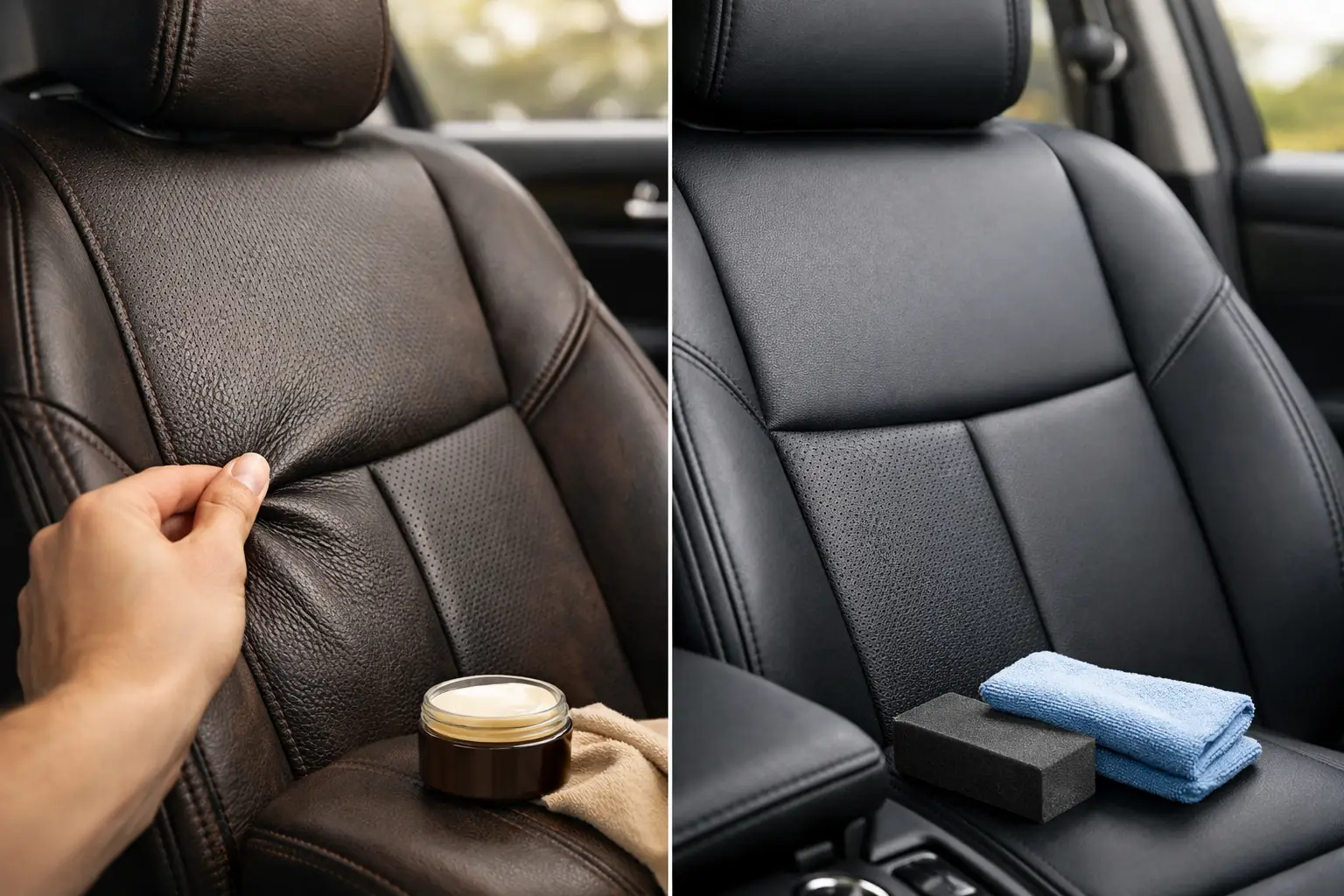
Leather Upholstery vs Vinyl: Which Suits Your Car?
A split seat seam, a shiny driver’s bolster or a sticky cabin after a day parked outside can make the choice feel urgent. In the leather upholstery vs vinyl decision, the better material is not simply the more expensive one. It is the material that suits your vehicle, how you use it, where it is parked and the standard of finish you expect from a retrim.
For car owners in Singapore, heat, humidity and strong sunlight are part of the working environment. A material may look excellent on a showroom swatch yet behave very differently after years of daily use. A proper decision considers comfort, appearance, maintenance, repairability and the condition of the seat beneath the cover.
Leather Upholstery vs Vinyl: The Real Difference
Automotive leather is a natural hide that has been processed and finished for vehicle use. Most modern car leather has a protective surface coating, so it is more durable and easier to clean than untreated leather furniture. It still retains the grain, feel and subtle variation that people associate with a premium cabin.
Vinyl is a man-made upholstery material, usually built from a fabric backing with a PVC or polyurethane surface. It can be embossed to resemble leather, supplied in a wide range of colours and grains, and engineered for practical resistance to spills and frequent cleaning. Quality varies greatly. A well-specified automotive vinyl is not comparable with thin, low-cost material that hardens, cracks or peels prematurely.
Neither material should be selected by appearance alone. The quality of the backing, the foam, the stitching, the pattern alignment and the installation process all affect whether the finished seat looks original and wears properly.
Why Leather Remains the Premium Choice
Leather gives a cabin a depth that vinyl does not fully reproduce. Its grain is less uniform, it develops character over time, and it has a more natural feel when you sit in the car. For premium saloons, performance cars, classic vehicles and restoration projects, leather can preserve the intended character of the interior and support the vehicle’s presentation at resale.
Comfort is another reason owners choose it. Good automotive leather tends to feel more supple than vinyl, particularly once the cabin has cooled. It can also be more comfortable on longer journeys because it does not have the same immediately plastic surface feel. Perforated leather, where appropriate, can improve breathability and works particularly well with ventilated seats.
The trade-off is care. Leather needs regular cleaning with suitable products and periodic conditioning where the leather specification calls for it. Dirt and body oils gradually wear the protective finish, particularly on the outer edge of the driver’s seat. Neglect can lead to surface cracking, colour loss and stiffening.
Leather also has a higher initial cost. This reflects the material itself, but good results also require skilled cutting and sewing. Natural hides have variations, so panels must be selected and positioned carefully. On a restoration-quality job, this attention is not optional.
When leather is the right fit
Leather is often the better choice when maintaining an original premium specification matters, when the vehicle is kept under cover for much of the time, or when the owner is prepared to maintain the interior properly. It is also a sensible choice for a car that will be kept for years, provided the installation uses suitable automotive-grade leather rather than a generic upholstery hide.
Where Vinyl Makes Strong Practical Sense
Vinyl is often chosen for its consistency and ease of ownership. It wipes clean easily after spills, rain-soaked clothing, muddy shoes or family use. For working vehicles, cars carrying children, pet owners and vehicles exposed to frequent day-to-day wear, that practical advantage can outweigh the appeal of natural leather.
It is usually more cost-effective than leather and can offer a very convincing finish when correctly matched to the vehicle. Modern automotive vinyl is available in smooth, textured and perforated styles, meaning it can be used for full seat retrims, door cards, rear panels and trim sections. It also allows a more uniform colour match across a larger interior.
Vinyl is not maintenance-free, however. In Singapore’s climate, lower-grade material may become hot to the touch, harden under ultraviolet exposure or split at heavily stressed seams. Dark vinyl on a vehicle parked outdoors can be particularly uncomfortable before the air conditioning has had time to cool the cabin. The answer is not to avoid vinyl altogether, but to choose material designed for automotive heat and use.
When vinyl is the right fit
Vinyl suits owners who want a clean, durable finish with straightforward upkeep and controlled cost. It can be an excellent option for door trims and side panels, where its stable appearance and resistance to scuffs are useful. It is also appropriate when replicating certain original interiors, as many classic and older vehicles were factory-trimmed in vinyl rather than leather.
Comfort, Heat and Daily Use
The material should match the reality of your driving routine. A weekend classic that spends most of its life in covered parking has different needs from a daily-driven SUV left in open-air car parks. The latter may benefit from a lighter interior colour, quality vinyl in hard-wearing areas, or leather with a protective finish and a disciplined cleaning routine.
Leather is usually the more pleasant option to the touch, but it is not immune to heat. Dark leather absorbs substantial heat, and a black leather seat can be uncomfortable after prolonged sun exposure. Vinyl commonly feels hotter initially because of its surface construction, though premium vinyl and lighter colours reduce the difference.
If your vehicle has heated or ventilated seats, the retrim must take those systems into account. Perforation type, foam condition and the layers beneath the cover all affect performance. Covering a seat without checking these details can compromise comfort and may leave the interior looking right but functioning poorly.
Wear, Repairs and Long-Term Value
Leather and vinyl fail in different ways. Leather may show creasing, colour wear, dryness and cracking. Some damage can be repaired locally if dealt with early, while deeply cracked or stretched panels may need replacement. Vinyl may scuff, tear, split along stress points or lose flexibility with age. Small issues can sometimes be repaired, but a brittle cover generally needs new material rather than repeated patching.
The seat structure matters as much as the visible surface. Collapsed bolster foam, broken support wires and weakened backing place extra strain on any new upholstery. Simply pulling a fresh cover over a worn seat may produce wrinkles, loose fitment and premature damage. A proper assessment should identify whether foam reshaping, stitching repairs or support work is required before the new cover is fitted.
For vehicles with strong resale appeal, originality should guide the decision. Replacing factory leather with a noticeably different vinyl may save money immediately but can reduce the cabin’s authenticity. Conversely, fitting leather to a vehicle originally specified with vinyl is not always an upgrade if the grain, pattern or era-correct appearance is lost.
Choosing the Right Material for Your Interior
Start with the vehicle’s original specification and the result you want. If you are restoring a classic, matching the correct material, grain and stitch pattern is normally more valuable than choosing the material that seems most luxurious. If you are refreshing a daily driver, durability, cleanability and heat exposure may matter more.
Then consider how the car is used, not just how it is photographed. Ask whether it is parked outdoors, whether children or pets regularly travel in it, whether you wear denim or work clothing, and whether the seats are already showing foam collapse. These details affect the right material choice and the scope of preparation work.
Finally, inspect real samples in natural light. Compare the colour, grain, thickness and surface feel against the existing trim. A material can look close under workshop lighting but appear too glossy, too flat or the wrong shade once installed. The best result comes from independent advice and a clear explanation of what will be repaired, replaced and retained.
At 8 Cushion, upholstery work is assessed as a complete interior job, not merely a cover replacement. In-house workmanship allows the material, pattern, seat condition and finishing details to be controlled from the first inspection through to final fitting.
Choose leather when authenticity, tactile quality and a premium long-term finish are the priority. Choose quality vinyl when practical durability, easy care and value are leading concerns. Whichever route you take, a carefully specified material and disciplined installation will do more for your cabin than a quick cosmetic fix ever can.
Related posts
Best Convertible Roof Cleaning Products Reviewed
Find the best convertible roof cleaning products for fabric and vinyl soft tops,
Best Materials for Car Roof Lining
Choosing the best materials for car roof lining depends on heat, durability and
Sun Damaged Car Upholstery Repair Guide
Sun damaged car upholstery repair starts with the right diagnosis. Learn what ca