


Eco Friendly Car Upholstery Restoration That Lasts
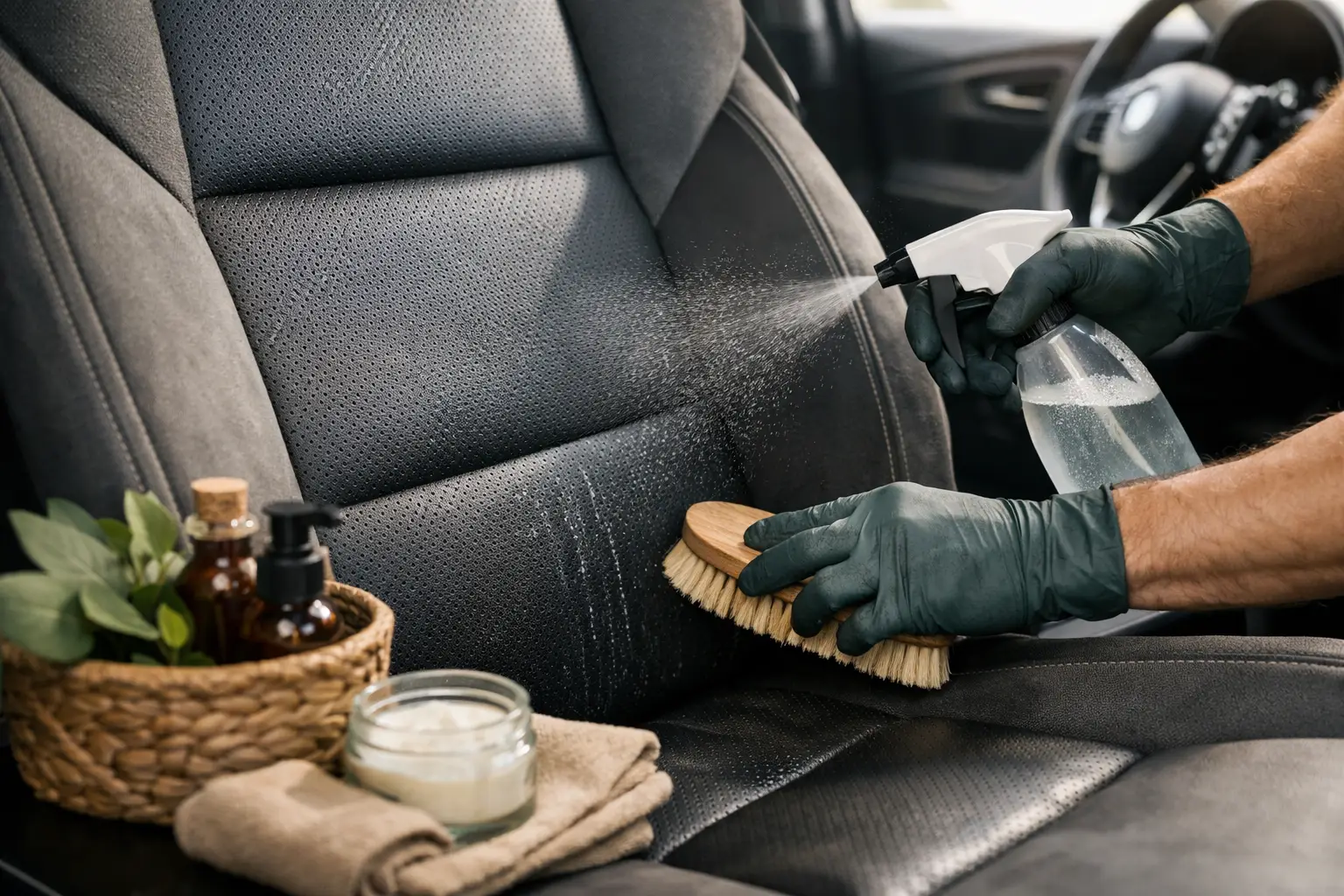
A driver’s seat with split side bolsters, a stained rear bench or a sagging headlining can make an otherwise well-kept car feel tired long before its time. Eco-friendly car upholstery restoration takes a more considered approach: retain what can be saved, replace only what has genuinely failed, and choose materials and processes that support a longer service life.
For Singapore vehicle owners, this matters. Heat, humidity, UV exposure and daily use place constant pressure on leather, fabric, foam, adhesives and roof-lining materials. A quick cover-up may improve appearances for a short period, but it can also conceal weakened foam, poor bonding or moisture damage that soon returns. Proper restoration is not simply about making an interior look newer. It is about repairing it responsibly and correctly.
Why restoration is the more responsible choice
The most sustainable vehicle component is often the one already fitted to the car. Replacing a complete seat cover, door trim or roof lining when a localised section can be repaired creates unnecessary material waste. It may also require more new foam, backing cloth, adhesives, packaging and transport than the job really needs.
Restoration allows a specialist to assess the condition of each layer. Sometimes the original upholstery can be cleaned, recoloured and reconditioned. In other cases, only a worn panel or damaged bolster needs to be retrimmed. A headlining may need new backing material while its boards, trims and fittings remain entirely serviceable. This measured approach protects the vehicle’s character and avoids treating replacement as the default answer.
There is also a financial benefit. Targeted repair can be better value than full replacement, particularly for premium interiors or older vehicles with unusual colours, stitching patterns and trim details. The right decision depends on condition, not just cost. If a material has become brittle, heavily contaminated or structurally weak, careful replacement may be the more durable and responsible option.
Eco friendly car upholstery restoration starts with diagnosis
A responsible result begins before any material is removed. The workshop should inspect the visible damage as well as the causes behind it. Cracking leather may point to prolonged heat exposure and a lack of conditioning. A loose roof lining may indicate failed foam backing. Water marks, mildew or recurring odours can suggest a leak around a windscreen, door seal or convertible top.
Repairing the surface without resolving the source of the problem wastes time and material. For example, installing a fresh headlining before addressing water ingress risks damaging the new work. Likewise, retrimming a seat over collapsed foam may leave the car looking better but feeling uncomfortable and unsupported.
A disciplined inspection should consider the upholstery, foam condition, frames, springs or webbing, trim clips, electrical components and surrounding seals. This gives the owner a clear scope of work and prevents unnecessary replacement. It also makes pricing more transparent, because the proposed work is based on what the vehicle actually needs.
Repair, restore or replace: choosing the right level of work
Not every worn interior needs the same treatment. The most appropriate choice usually falls into one of three routes.
Repair where the original material remains sound
Small tears, seam splits, scuffs, cigarette burns and isolated areas of wear can often be repaired without retrimming an entire component. Leather may respond well to professional cleaning, preparation and colour restoration where the hide itself remains structurally sound. Fabric damage may be limited enough for a local repair, depending on the weave, location and colour match.
This is the lowest-waste route, but it has limits. A local repair on badly cracked leather will not restore the strength of the whole panel. A colour treatment can refresh a tired finish, but it cannot reverse deep deterioration caused by years of heat and neglect. Honest advice matters here: a repair should be recommended only when it can perform well, not merely because it is the cheapest option.
Restore supporting layers for comfort and shape
Many interiors look worn because the layers underneath have failed. Seat foam can compress or break down, leaving bolsters misshapen and reducing driving comfort. Headlinings commonly fail when their foam backing deteriorates in the heat. Replacing these affected layers while retaining suitable trim components is often a practical restoration-led solution.
The quality of this work depends on proper removal, preparation and refitting. Materials must be compatible with the vehicle’s interior, and adhesives need to be selected and applied with care. Poor bonding, rushed trimming or incorrect tension can create wrinkles, loose edges and premature failure.
Replace only when durability demands it
Full retrimming is sometimes the correct choice, particularly where material is extensively damaged, repairs would be obvious, or several panels have deteriorated at once. It may also be necessary when original upholstery has absorbed persistent odours or moisture damage has affected the backing and foam.
When replacement is needed, sustainability comes from specification and longevity. Choose a suitable material rather than an overly thin or poorly matched option that will wear quickly. Consider how the car is used, whether it is parked outdoors, whether children or pets travel in it, and whether the owner intends to keep it for years. A hard-wearing, well-fitted trim that remains in service is a better outcome than a fashionable finish that fails early.
Materials and processes that make a difference
Environmentally considered restoration is not a single product claim. It is a set of workshop decisions. Low-odour or lower-VOC cleaning and bonding products can be preferable where suitable, but they still need to meet the demands of the repair. A product that is gentler in use but cannot withstand Singapore’s heat and humidity may lead to repeat work and more waste.
Material selection should also be practical. Retaining original leather, fabric or trim where possible preserves authenticity and avoids needless disposal. Where new sections are required, accurate pattern cutting helps reduce offcuts. Matching an existing panel carefully can prevent a small repair turning into a full retrim simply because the finished appearance is inconsistent.
Proper storage matters too. Upholstery materials, foam and adhesives should be kept in suitable conditions so they are not damaged before use. In-house work provides closer control over these details, from material handling and cutting to fitting and final inspection. It also gives the customer one clear point of accountability rather than a chain of outsourced parties.
Looking after restored upholstery
A restoration lasts longer when the owner follows a few sensible habits. Use a windscreen shade where practical, particularly for cars parked outdoors. Clean spills promptly with products appropriate to the material, rather than household cleaners that can dry out leather or leave residue on fabric. Avoid placing sharp objects in seat pockets and take care when getting in and out of vehicles with high seat bolsters.
For convertibles, inspect the soft top, drains and seals regularly. Water entering the cabin can affect carpets, seat foam, roof linings and trim panels far beyond the initial leak. Early attention to a damp smell, loose lining or discoloured edge can save a substantial restoration later.
For ageing, premium or cherished vehicles, the aim should not be to make every surface look artificially new. The better standard is an interior that is clean, safe, comfortable and true to the car, with repairs that respect its materials and intended use.
At 8 Cushion, restoration work is approached with that balance in mind: independent advice, careful in-house workmanship and a scope based on the condition of the vehicle rather than a one-size-fits-all replacement. A well-planned repair can keep a car enjoyable to own while reducing avoidable waste – and that is a result worth preserving.
Related posts
Sun Damaged Car Upholstery Repair Guide
Sun damaged car upholstery repair starts with the right diagnosis. Learn what ca
Restoration Versus Replacement Upholstery
Restoration versus replacement upholstery - learn when to repair, retrim or repl
How Long Does Upholstery Repair Take for Cars?
How long does upholstery repair take? Learn what affects car repair times, from