


Convertible Drainage Maintenance Guide for Owners
A convertible can look perfectly dry from above while water is collecting where it should never be: beneath the roof storage area, behind the trim panels, or under the carpet. This convertible drainage maintenance guide explains how to protect the parts that are rarely seen but often expensive to repair. In Singapore’s frequent rain and humidity, clear drains are not a minor housekeeping task. They are part of preserving the roof mechanism, interior materials and electrical systems.
Convertible drainage is designed to direct rainwater away from the soft top, roof seals and rear deck area. Leaves, road dust, degraded seal material and general debris can block narrow drain channels surprisingly quickly. Once that happens, water finds another route. It may enter the cabin, settle around wiring, soak sound insulation, or create the damp conditions that lead to mould and unpleasant odours.
Why Convertible Drains Need Regular Attention
A convertible roof is not meant to be watertight by simply keeping every drop of rain out. Most designs manage some water around seals and channels, then carry it safely through dedicated drains. This is normal engineering, particularly around the rear quarters and roof storage compartment.
The problem begins when drainage slows or stops. Water can overflow into areas hidden by boot trim, rear seat panels or carpet. By the time the owner notices a damp smell, misted windows or wet flooring, the water may have been sitting inside the vehicle for some time.
The consequences depend on the make and model. Some vehicles may only develop stained carpet or corrosion on a bracket. Others have control modules, pumps, wiring looms or sensors located low in the body. A blocked drain can therefore become an electrical diagnosis, roof-operation problem and interior restoration job at once. Prompt maintenance is considerably more economical than treating the damage after it spreads.
Convertible Drainage Maintenance Guide: A Practical Routine
For a car parked outdoors regularly, inspect drainage points every three to six months. Shorten that interval during prolonged wet weather, after parking beneath trees, or if the car is rarely used. A convertible stored indoors still needs inspection, as dust and ageing debris do not stop accumulating.
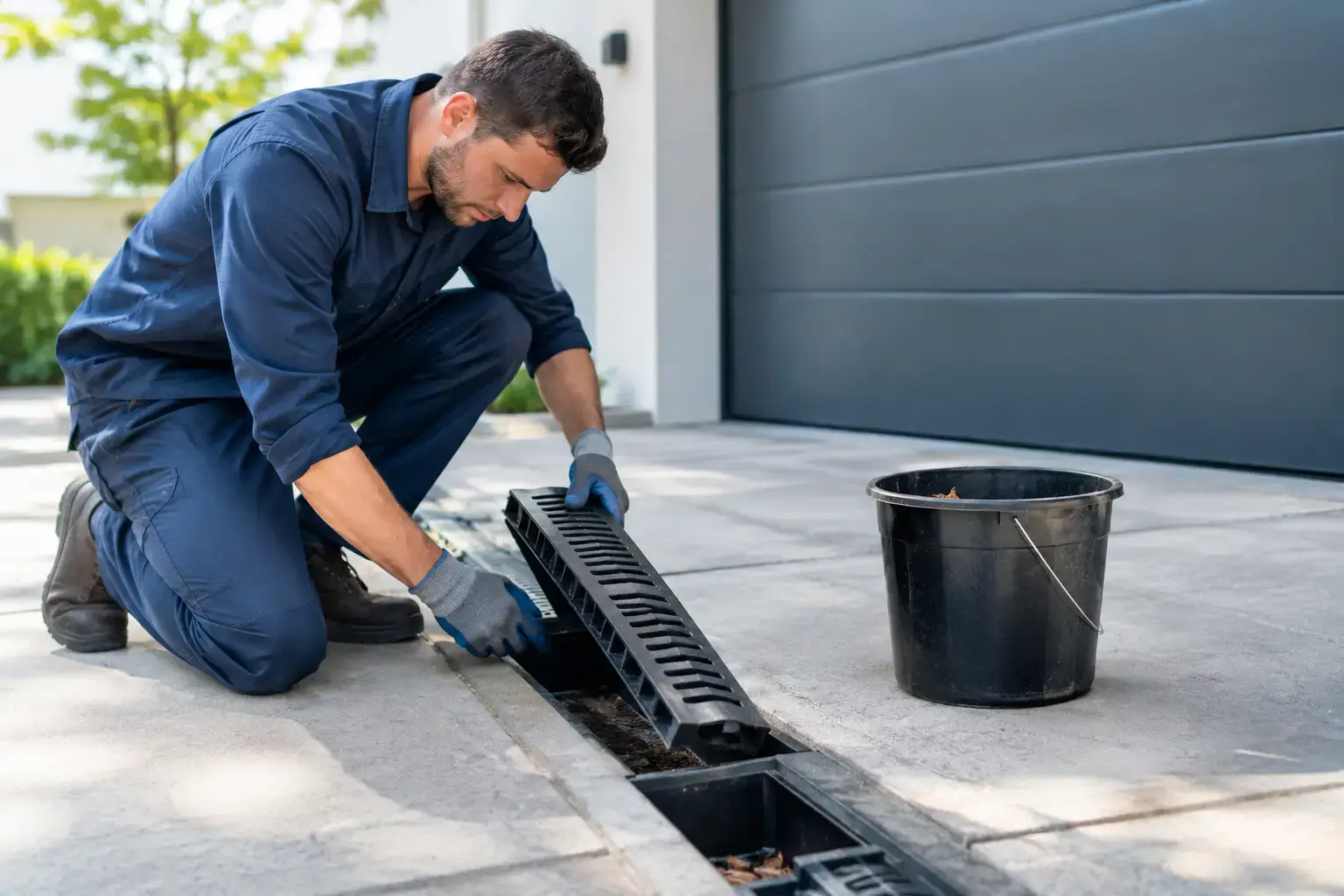
Start with a visual check of the roof, rubber seals and the channels around the rear deck. With the roof partly opened only where the manufacturer permits safe access, look for leaves, seeds, grit and fragments of deteriorating foam or sealant. Remove loose debris gently by hand or with a soft detailing brush. Do not push material deeper into a channel.
Next, identify the drain entry points. Their location varies widely. They may sit behind the rear quarter trim, near the roof hinges, within the soft-top storage well, or below covers around the rear deck. Consult the vehicle handbook or workshop information before removing any trim. Modern convertible interiors often conceal clips, airbags, electrical connectors and delicate weather seals.
A controlled water test is useful after clearing visible debris. Pour a small amount of clean water into the relevant channel and watch whether it exits freely beneath the vehicle. Use a modest flow, not a high-pressure hose. Fast water pressure can overwhelm a healthy channel, force water past seals, or make it difficult to tell whether the drain is genuinely flowing.
If drainage is slow, use only a suitable flexible, non-abrasive cleaning line where access is clear and the manufacturer’s method supports it. Hard wire, coat hangers and aggressive probing tools can puncture a drain tube, detach it from its outlet or damage surrounding material. A tube that comes loose inside a body cavity may continue to accept water, but release it directly into the cabin.
After cleaning, repeat the water test and inspect the interior. Check the carpet at the front and rear footwells, the boot lining, spare-wheel well and areas around rear trim panels. Use your hand as well as your eyes. Carpet can feel dry on the surface while the underlay beneath it remains saturated.
Early Warning Signs to Take Seriously
Convertible water ingress is often gradual. Owners should act on small changes rather than waiting for visible puddles. A musty smell after rain, windows that mist up more readily than usual, damp seat belts, unexplained condensation or water marks on trim are all reasons to investigate.
Other signs can be less obvious. The roof may operate more slowly if moisture affects components or connectors. A boot may smell damp despite no clear leak around the lid. Electrical warnings, central-locking irregularities or audio faults may also warrant a drainage check, especially if they appear after heavy rain.
Do not assume every wet carpet is caused by roof drains. Door membranes, windscreen seals, air-conditioning evaporator drains and body seals can also allow water into a vehicle. Proper diagnosis matters because treating the wrong area can leave the real source untouched.
What Not to Do
A careful owner can remove surface debris and perform a basic flow check. Beyond that, restraint protects the car. Avoid blasting drain entries with compressed air, as pressure may disconnect a hose or push debris into a tighter blockage. Avoid pouring chemical drain cleaners into the system. These products can harm rubber, adhesives, painted surfaces and interior materials.
It is also unwise to lubricate roof seals with household oils or apply silicone products indiscriminately. Convertible seals need products suited to automotive rubber and the manufacturer’s recommendations. The wrong treatment may leave residue that attracts dirt, changes the seal’s behaviour or marks fabric and trim.
Finally, do not ignore water simply because the roof still opens and closes. Convertible mechanisms can tolerate only so much moisture exposure before corrosion and electrical faults become more involved. Drying the visible carpet without locating the source treats the symptom, not the cause.
When Specialist Inspection Is the Better Choice
Professional inspection is advisable when water has entered the cabin, drains cannot be accessed without trim removal, roof operation is affected, or there are signs of mould and electrical faults. This is particularly true for premium, older or restoration-worthy convertibles, where original materials and complex mechanisms deserve controlled handling.
A specialist approach begins with identifying the actual path of water, rather than guessing from the nearest damp area. The roof, drainage channels, hose connections, seals, body apertures and interior condition should be assessed together. If trim must be removed, it should be refitted correctly, with clips, fixings and concealed components handled carefully.
Where water has already reached carpets or roof linings, proper drying is essential. Moisture held in foam underlay can remain long after the top layer feels dry. Depending on the vehicle, a lasting repair may involve removing affected trim, cleaning drainage routes, checking electrical areas, treating mould safely and restoring damaged upholstery or lining materials.
At 8 Cushion, convertible work is handled in-house so the condition of the roof, interior trim and affected materials can be considered as one job. That gives owners a clearer scope of work and avoids the uncertainty that can arise when diagnosis, repair and interior reinstatement are separated between different parties.
Build Drainage Checks Into Roof Care
Drainage maintenance works best as part of normal convertible care. Keep the roof and rear deck free from leaf litter, wash gently around channels, and check seals for flattening, splits or trapped debris. If the car spends long periods parked outdoors, a breathable, correctly fitted cover can reduce surface contamination, although it is not a substitute for maintaining drains.
There is no single interval that suits every owner. A weekend car kept under cover may need only seasonal checks, while a daily-driven convertible beneath trees may need attention far more often. The sensible standard is simple: inspect before a small restriction turns into hidden water damage.
Your convertible is built to be enjoyed in changing weather, not left vulnerable to it. A short, disciplined drainage inspection can protect the craftsmanship you see every time you lower the roof, and the costly components you hope never to see.
Related posts
How to Prepare Your Car for Upholstery Restoration
Learn how to prepare car for upholstery restoration with a clear workshop-ready

Door Panel Upholstery Repair That Lasts
Door panel upholstery repair restores loose, warped or worn trims with lasting r
Car Headliner Replacement: Repair or Renew?
Car headliner replacement restores comfort, appearance and value. Learn when rep