


Car Headliner Replacement: Repair or Renew?
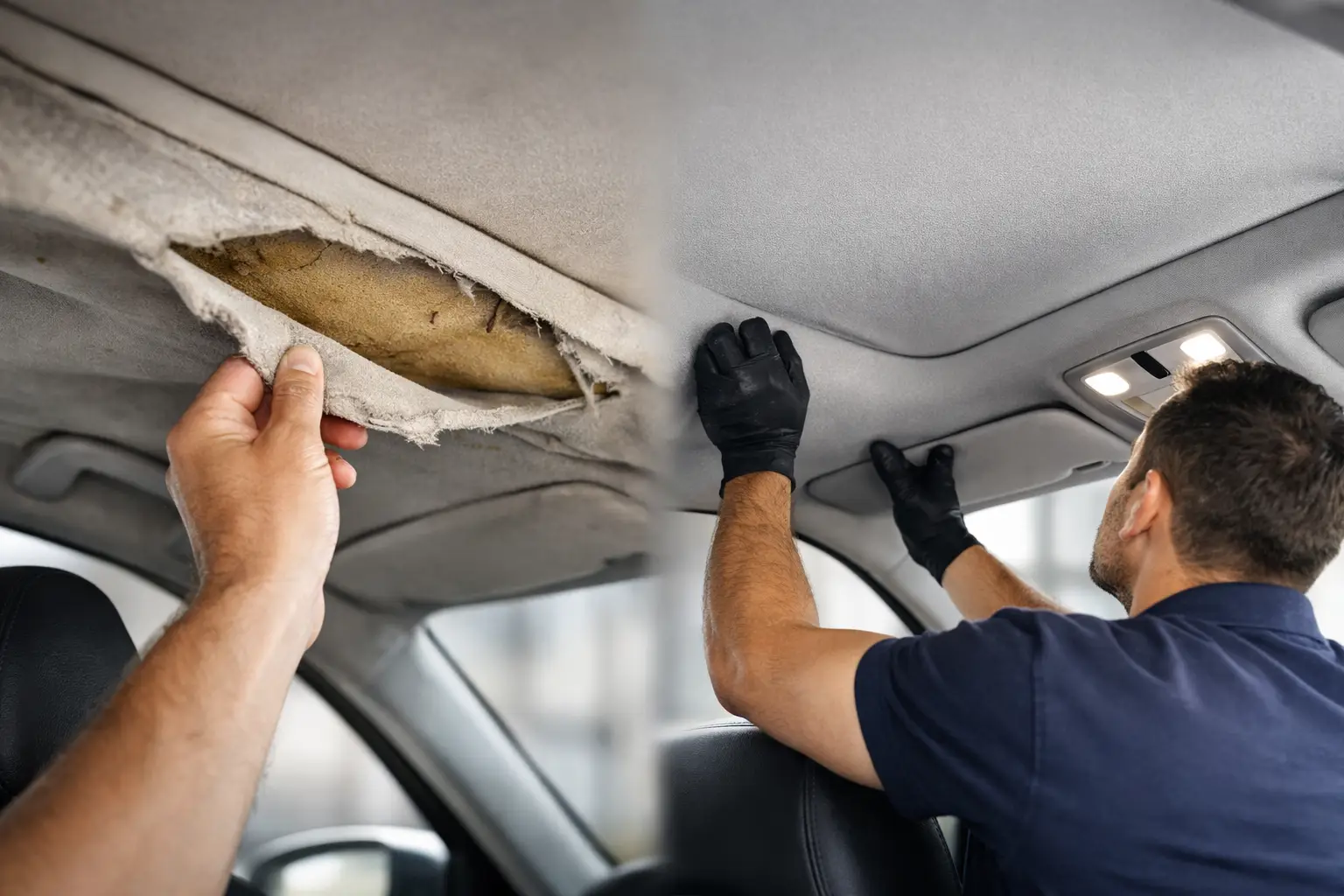
A sagging roof lining changes the whole feel of a car. What starts as a slight droop near the rear glass can quickly become loose fabric above the driver’s head, trapped heat, a tired cabin, and an interior that looks older than the vehicle really is. In many cases, car headliner replacement is the right answer, but not always for the same reason.
Some owners come in because the fabric has collapsed. Others are dealing with foam dust falling onto seats, water staining after a leak, or adhesive failure caused by years of heat and humidity. In Singapore, those conditions are not rare. The question is not simply whether the headliner looks bad. It is whether the backing board, fabric, adhesive and surrounding trim can still deliver a lasting result.
When car headliner replacement becomes necessary
A headliner usually fails in stages. At first, the fabric may loosen around the edges or near interior lights and grab handles. After that, the centre section begins to sag. Once the foam backing breaks down, the material separates from the board and no amount of pressing it back into place will hold for long.
That is why quick fixes rarely last. Spray glue applied from the outside, pins pushed through the fabric, or partial sticking around the perimeter may improve the appearance for a short while, but they do not address degraded foam beneath the cloth. If the original substrate is contaminated or brittle, the failure will return.
Replacement is often the more disciplined option when the fabric has fully detached, the foam has disintegrated, or previous repair attempts have left the board uneven. It is also the better route when appearance matters, such as on premium vehicles, restoration projects, or cars being prepared for resale.
Repair or full replacement?
This depends on condition, not guesswork. A proper assessment looks at more than the visible sagging. The board itself may be cracked during removal, especially on older vehicles. Sunroof openings, pillar trim interfaces and edge contours all affect whether the part can be refurbished reliably. If water has entered from a windscreen seal, roof antenna, sunroof drain or door aperture, the source of the leak must also be considered before any new material goes in.
A limited repair can make sense when the issue is localised and the original structure remains sound. For example, a small section affected by trim disturbance may be recoverable if the surrounding material has not begun to fail. But once the foam layer across the panel has aged out, patching one area usually means another section will follow.
For that reason, full re-trimming is commonly the most honest recommendation. It restores a clean surface, allows the board to be prepared correctly, and gives better visual consistency across the cabin. It also avoids the false economy of paying for partial work that soon needs to be redone.
What proper car headliner replacement involves
Good results depend on process. Headliner work is not just about attaching new fabric. Interior components must be removed in the correct sequence so clips, trims and fixings are not damaged unnecessarily. On some vehicles, seats or upper trim pieces may need extra clearance. On others, rear access is tighter and removal requires care to prevent stress on ageing plastics.
Once the board is out, the old material is stripped and the failed foam is cleaned off fully. This stage matters. If the surface is left contaminated, the new adhesive bond will be compromised. If the board has minor damage, it should be repaired and stabilised before re-covering. If it is too far gone, that needs to be addressed openly rather than hidden under fresh fabric.
Material choice matters as well. Automotive headliner fabric is different from general upholstery cloth. It needs the correct backing, suitable flexibility around contours, and proper resistance to cabin heat. Adhesive selection is equally important. In a climate that puts interiors under constant thermal stress, unsuitable glue is one of the fastest ways to turn a fresh-looking job into a repeat failure.
After trimming, reinstallation should be clean and deliberate. Grab handles, visors, lights and trim openings need proper finishing. The final appearance should sit naturally with the rest of the interior, not look stretched, loose or over-trimmed.
Why climate and vehicle age matter
In Singapore, heat and humidity accelerate headliner failure. Even cars that are mechanically well maintained can suffer interior adhesive breakdown simply from years of exposure. Parked vehicles take the worst of it, especially when the cabin temperature rises daily over long periods.
Age adds another layer. Older luxury cars, coupes and saloons often use more complex roof liner shapes and more delicate surrounding trims. Restoration-minded owners usually want a result that respects the original cabin finish rather than a generic re-covering job. That calls for patience, correct material handling and workshop discipline.
This is where specialist work shows its value. A general repair approach may focus only on making the sagging disappear. A specialist approach considers the trim condition around it, the risk of brittle clips, the need for proper board preparation, and whether other related issues such as water ingress are contributing to the failure.
What affects the cost
There is no single figure that fits every vehicle, and honest pricing should reflect that. A straightforward roof lining on a common model is very different from a headliner with sunroof cut-outs, multiple light clusters, integrated trim details or limited removal access.
The condition of the original board also affects labour. If it cleans up well and remains structurally sound, refurbishment is more direct. If it is cracked, warped or damaged by previous attempts, extra repair time is required. Material specification can shift the cost too, particularly where the owner wants a close match to the original finish.
Cheaper quotations often leave out what matters most – preparation quality, trim care, material suitability and accountability for the finished result. That is why comparing headliner work on price alone can be misleading. The important question is what process sits behind the number.
Choosing the right workshop
Headliner replacement sits in a category that rewards specialisation. It involves trim removal, material knowledge, adhesive judgment and careful reassembly. If the work is outsourced between multiple parties, accountability becomes blurred. If clips are broken, if the fabric lifts later, or if the cabin comes back with marks on surrounding trim, the owner is left chasing answers.
A specialist workshop with in-house control offers a more reliable path. You want clear advice on whether repair is realistic, transparent scope before work begins, and a standard of finish that reflects experience with interior restoration rather than general servicing. That is particularly important for enthusiast vehicles, ageing premium models and cars owners intend to keep.
At 8 Cushion, this kind of work fits the way a specialist workshop should operate – assessed properly, handled in-house, and completed with attention to long-term finish rather than short-term cover-up. That approach gives customers what they actually want: peace of mind from the very beginning.
Signs you should not wait
If the fabric is beginning to brush your head while driving, the issue has already moved beyond cosmetic annoyance. If you notice foam dust on seats, staining around the roof lining, or sections pulling away near the windscreen or rear screen, delaying usually makes the job less tidy, not more affordable.
Waiting also increases the chance of related trim strain. Loose material can catch around visors and handles. Moisture staining can spread. If water is involved, the headliner may be pointing to a bigger problem that should be diagnosed before damage reaches more of the interior.
A well-kept cabin supports comfort, appearance and vehicle value. More than that, it changes how the car feels every time you get in. A proper headliner job is not flashy work, but it is one of those repairs that quietly restores the standard the vehicle should have had all along.
If your roof lining is starting to fail, the best next step is not a temporary fix. It is a careful assessment, a clear recommendation, and workmanship that treats the interior with the same seriousness as the owner does.
Related posts
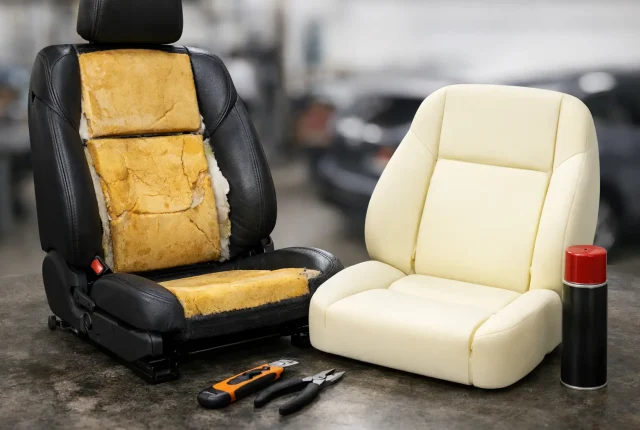
Choosing Replacement Car Seat Foam Properly
Choosing replacement car seat foam is about more than softness. Match density, t
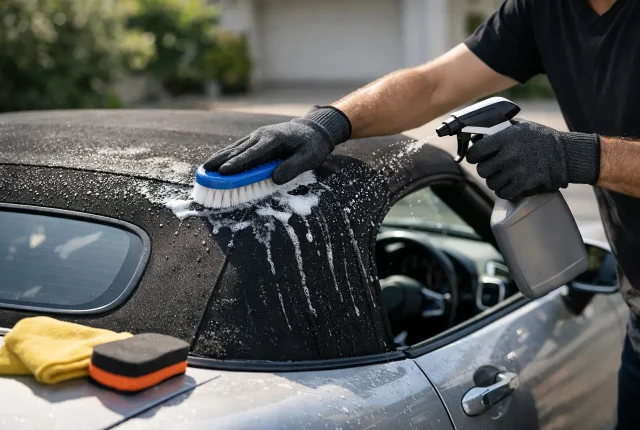
How to Clean Fabric Convertible Tops Properly
Learn how to clean fabric convertible tops without causing stains, fading or wat
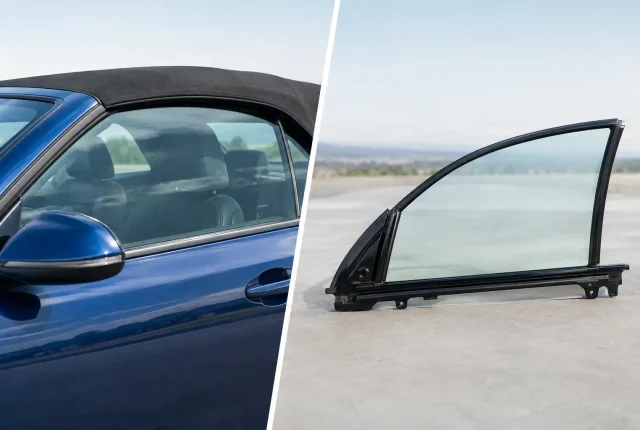
OEM Versus Aftermarket Convertible Windows
OEM versus aftermarket convertible windows: assess fit, materials, seals and ins