


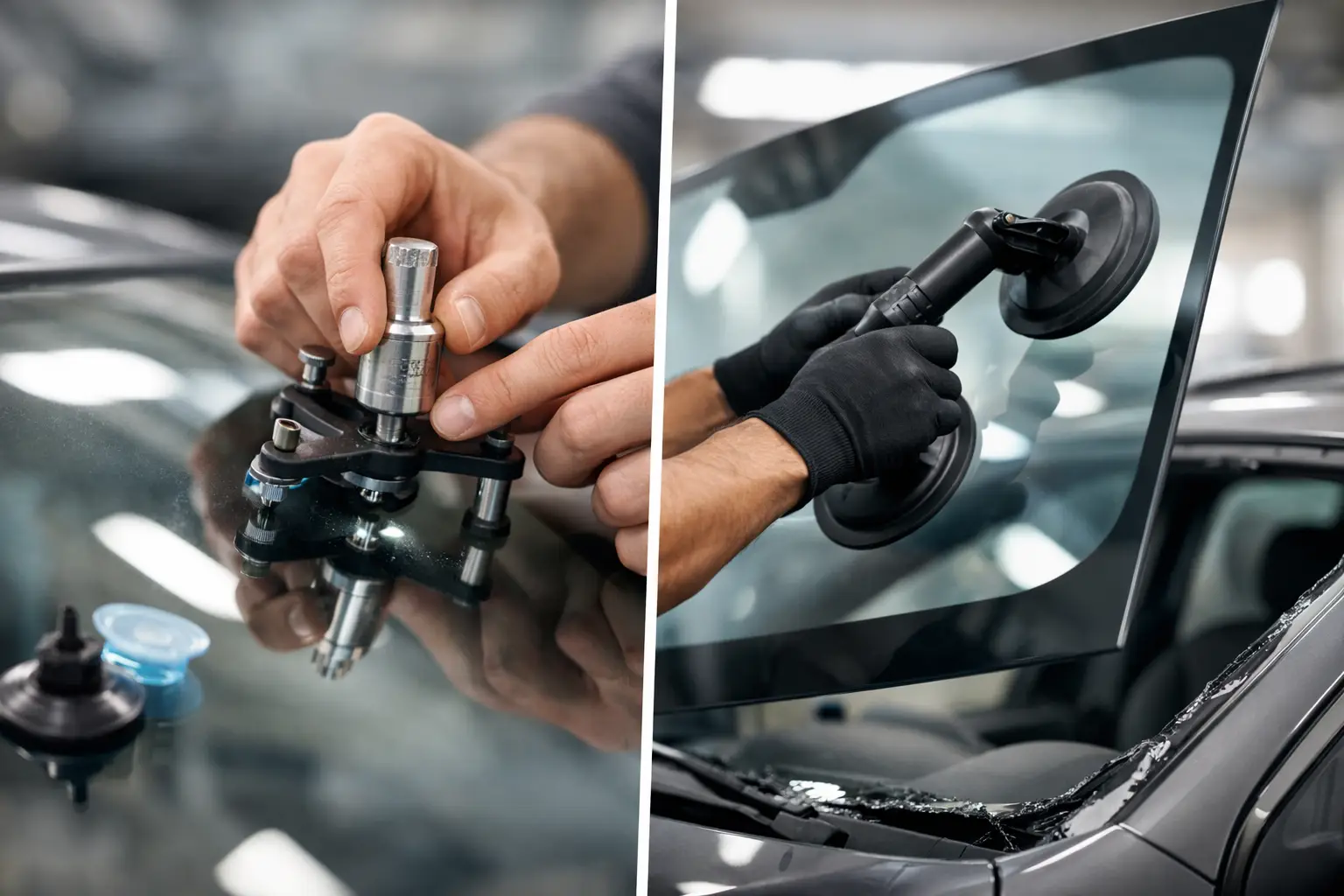
Windscreen Repair Versus Replacement Guide
A stone chip on the expressway rarely looks serious at first. Then the light catches it, a crack starts to travel, and suddenly you are weighing cost, safety, time off the road, and whether a repair will actually hold. This windscreen repair versus replacement guide is written for owners who want a clear answer, not a sales push.
A windscreen is not just a pane of glass. It contributes to visibility, cabin protection, structural integrity, and the correct performance of modern driver-assistance features where fitted. That is why the right decision depends on more than the size of the damage alone. The position of the chip, the depth, the type of crack, and the condition of the surrounding glass all matter.
Windscreen repair versus replacement guide – the basic rule
In simple terms, repair suits localised damage that has not seriously weakened the glass. Replacement is the safer route when the damage is large, spreading, badly positioned, or likely to compromise strength and visibility.
A proper repair usually involves injecting resin into a chip or short crack to stabilise the area and improve clarity. A replacement means removing the damaged screen, preparing the frame correctly, and fitting a new windscreen to the required standard. Both have their place. The problem starts when a vehicle owner is given a one-size-fits-all answer.
When repair is usually the sensible option
A repair is often appropriate when the chip is small, contained, and outside the driver’s primary line of sight. If the damage is recent, that helps as well. Dirt, moisture, and heat exposure can make a clean repair harder and the visual result less predictable.
For many owners, the attraction of repair is obvious. It is usually faster, more cost-effective, and preserves the original factory-fitted glass. That can be a genuine advantage, especially on vehicles where original fit and finish matter. On some cars, keeping the original screen where safely possible also avoids unnecessary disturbance to trims and bonded components.
That said, repair is not magic. Even a good repair may still leave a faint mark. The aim is to restore integrity and reduce the visibility of damage, not to make it disappear completely. If someone promises an invisible result every time, be cautious.
When replacement is the better decision
Replacement is normally the correct route when the crack is long, the damage reaches the edge of the glass, or there are multiple impact points. Edge damage is particularly concerning because that area carries stress differently, and cracks there tend to spread more readily.
You should also lean towards replacement if the damage sits directly in the driver’s field of vision. Even where a repair is technically possible, slight distortion can remain. On a bright afternoon or during wet-weather driving at night, that distortion matters.
Another factor is depth. If the impact has significantly compromised the laminated structure, replacement is often the only responsible answer. The same goes for a screen that has already been repaired before and then suffers fresh damage nearby. At that stage, preserving the glass may no longer be the sound long-term choice.
The position of the damage matters more than many expect
Two chips of similar size can lead to different recommendations purely because of where they sit. A small chip near the outer edge may be less suitable for repair than a slightly larger one in a less stressed central area. Likewise, a minor blemish in the driver’s direct sightline can be more of a problem than a larger defect elsewhere.
This is where specialist assessment matters. A disciplined workshop will look at the glass as part of the vehicle system, not as an isolated blemish. The question is not only whether the chip can be filled. It is whether the repaired or replaced screen will give proper visibility, proper fit, and proper confidence once the vehicle returns to the road.
Cost, value, and the false economy problem
Drivers often ask the same practical question first – is repair cheaper than replacement? Usually, yes. But cheaper at the start does not always mean better value.
If damage is borderline and the repair fails, you may end up paying twice. If a crack continues to spread a few days later, the vehicle still needs a replacement. If the chip is repaired but remains distracting in your line of sight, the result may be technically acceptable yet still unsatisfactory in daily use.
Good advice should take this into account. A specialist workshop should not steer every customer towards the higher invoice, but it should also not recommend repair simply because it sounds more economical. Long-term value comes from choosing the job that should have been done in the first place.
Modern vehicles make the decision more technical
On older cars, the decision could sometimes be more straightforward. On newer vehicles, windscreens can interact with rain sensors, cameras, antennas, and trim systems that affect both function and finish. A replacement done without care can lead to wind noise, water ingress, sensor issues, or poor alignment.
That does not mean replacement should be avoided. It means replacement should be handled properly. Preparation, bonding, curing, and refitting standards matter. So does the quality of the screen itself. For owners of premium, ageing, or restoration-worthy vehicles, this is especially important because the right fit is part of preserving the car, not merely getting glass back in place.
What a proper assessment should include
A trustworthy assessment is usually quite straightforward. The workshop should inspect the size and pattern of the damage, whether it has spread, how close it is to the edge, whether it sits in the driver’s line of vision, and whether there are signs of contamination within the break.
It should also consider the vehicle itself. Some cars are less forgiving because of trim design, integrated features, or the owner’s expectations for finish quality. If the vehicle is a cherished daily driver, a collector car, or a premium model, the decision should reflect that standard.
This is also where independent advice matters. A specialist with in-house accountability has less reason to force a standard answer. The recommendation should fit the condition of the screen and the needs of the owner, not a volume-driven process.
Windscreen repair versus replacement guide for common scenarios
If you have a tiny chip from a recent stone strike and it sits away from the edge and away from your direct line of sight, repair is often worth considering. It is quicker, less invasive, and can stop the damage from developing further.
If you have a crack that has started to run, especially after hot sun or heavy rain, replacement is usually the safer call. Once a crack is travelling, time is rarely on your side.
If you have damage near the perimeter, or you notice distortion exactly where you look through the screen most often, replacement tends to make more sense even if the damaged area does not look dramatic.
If your vehicle has advanced driver-assistance equipment or you care deeply about factory-standard finish, the quality of the workshop matters just as much as the repair-versus-replacement choice.
What to do after you notice damage
Do not wait too long. Small chips can worsen with vibration, temperature changes, and everyday driving. Avoid slamming doors, avoid blasting very hot air directly onto a cold screen, and have the damage checked before assuming it is minor.
If the crack is already spreading, treat the car as a priority booking rather than a job for next month. Prompt action often gives you more options and a better final result.
For owners in Singapore, where heat and sudden rain are part of normal driving conditions, delay is rarely helpful. A stable chip can become an unstable crack sooner than expected.
A careful workshop will tell you when repair is genuinely sufficient and when replacement is the more responsible route. That is the standard we believe in at 8 Cushion – clear advice, proper in-house workmanship, and no unnecessary detours.
The right answer is not the cheapest one or the biggest one. It is the one that restores confidence every time you look through the glass and pull back onto the road.
Related posts
Door Panel Restoration Guide for Lasting Results
A practical door panel restoration guide for assessing wear, choosing proper mat
How to Stop Convertible Roof Leaks Properly
Learn how to stop convertible roof leaks with proper checks, cleaning, drainage
Can Torn Car Seats Be Repaired?
Can torn car seats be repaired? Yes - depending on the damage, material, and pan