


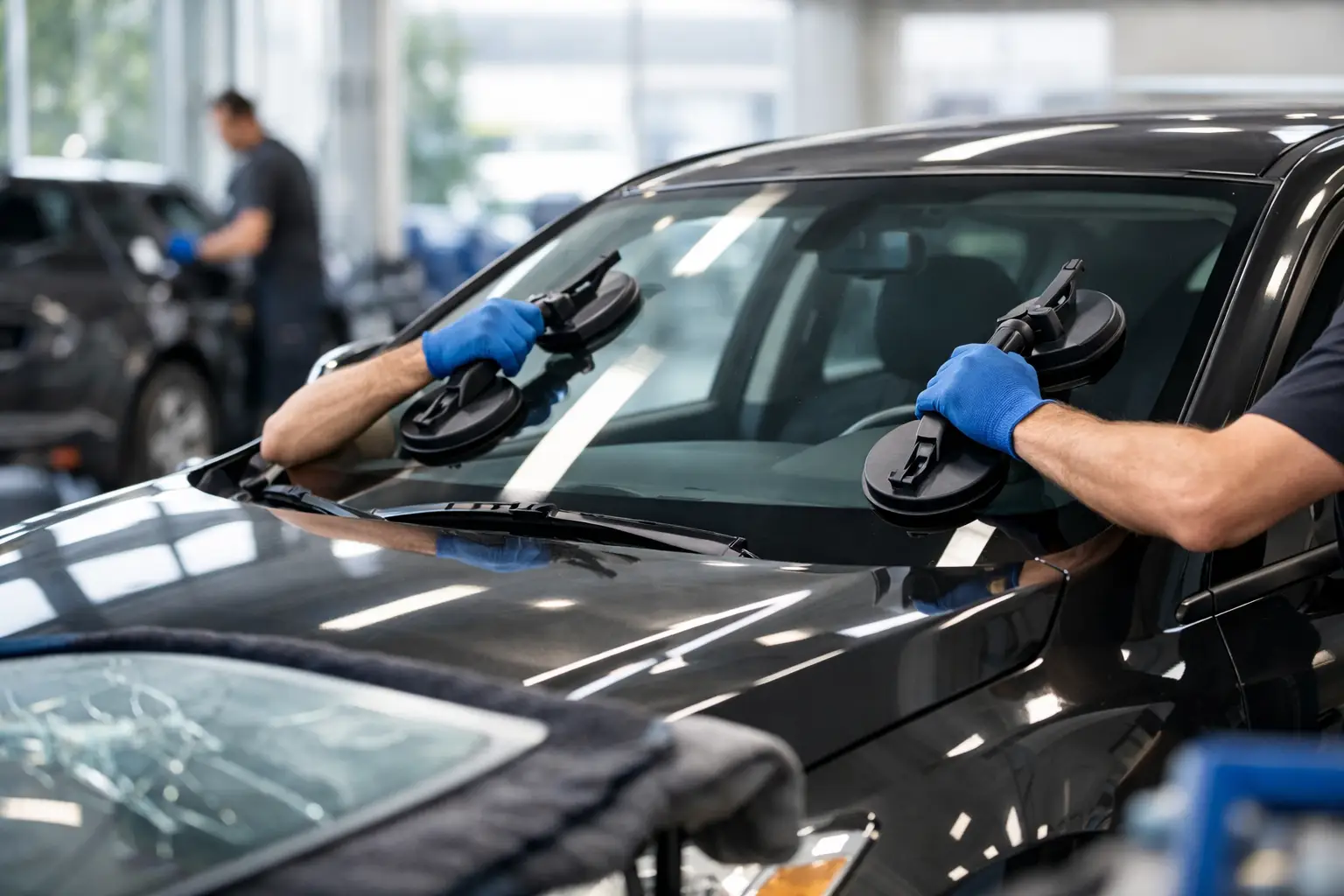
How Long Does Windscreen Replacement Take?
If your windscreen has cracked on the PIE before breakfast or picked up a chip that has spread overnight, the first question is usually practical rather than technical – how long does windscreen replacement take, and when can you drive again? The short answer is that the fitting itself is often completed within 1 to 2 hours, but the full timeline depends on the glass, adhesive curing time, your vehicle’s design, and whether any camera calibration is required afterwards.
For drivers who value proper workmanship, that distinction matters. A fast booking means very little if the glass is rushed in, the bonding is compromised, or trims are forced back into place carelessly. Windscreen replacement is not just about removing broken glass and installing a new panel. It is a safety-related job that needs correct preparation, disciplined fitting, and enough time for the adhesive to do its work.
How long does windscreen replacement take in practice?
In most standard cases, the workshop portion takes around 60 to 120 minutes. That covers removing the damaged windscreen, preparing the frame, applying the adhesive, fitting the new glass, and refitting trims or related components.
What many customers do not realise is that the vehicle may still need to remain stationary after installation. The urethane adhesive used to bond the windscreen needs time to cure sufficiently before the car is driven. Depending on the adhesive system, weather conditions, and vehicle specifications, safe drive-away time can range from roughly 1 hour to several hours.
So if you are planning your day, it is better to think in two stages. The first is workshop labour time. The second is the waiting time before the car should be driven. A well-run specialist workshop will explain both clearly rather than quoting only the quickest part of the job.
Why the timing is not the same for every car
Not every windscreen replacement is equal. A simple fit on a common vehicle with straightforward trim access is very different from work on a premium model, a car with rain sensors, or a vehicle where the surrounding mouldings have become brittle with age.
Older vehicles can go either way. Sometimes they are mechanically simpler and quicker to work on. In other cases, aged trims, hardened seals, corrosion around the aperture, or previous poor workmanship slow the process down because extra care is needed to avoid creating a larger problem.
Newer vehicles often bring another layer of complexity. Many windscreens now work alongside advanced driver assistance systems. If the car has a forward-facing camera for lane departure warning, emergency braking, or traffic sign recognition, the replacement may involve additional checks or calibration. That adds time, but it is time well spent. Safety systems should never be treated as an afterthought.
The stages of a proper windscreen replacement
A disciplined process is one of the biggest reasons timing can vary between workshops. When the job is handled correctly, the steps are deliberate.
The first stage is assessment. The workshop confirms the correct glass specification, checks for sensor mounts and accessories, and inspects the surrounding area for existing damage. If trims, cowls, mouldings, or clips are already compromised, that should be identified early.
Next comes safe removal of the damaged windscreen. This is not a stage to rush. Poor removal technique can scratch paint, bend trims, or damage the pinchweld. If that happens, the replacement might still look acceptable on the surface while hidden issues develop later.
Preparation follows. Old adhesive needs to be trimmed properly, the bonding area must be clean, and primers or activators may need to be applied depending on the system used. The new glass is then positioned carefully so that it sits correctly and seals as intended.
After fitting, the adhesive needs sufficient curing time. This is where honest timing matters. A workshop focused only on speed may hand the car back too quickly. A workshop focused on accountability will tell you when it is actually safe to drive.
What can make the job take longer?
There are several common reasons a replacement runs beyond the standard 1 to 2 hour fitting window.
Glass availability is one. If your vehicle uses acoustic glass, solar-coated glass, or a windscreen with specific sensor brackets, the correct part may not be immediately available. The job itself may still be efficient once booked in, but sourcing affects the overall timeline.
Calibration is another factor. Some vehicles require static or dynamic calibration after the windscreen is fitted. If camera alignment is needed, extra workshop time should be expected.
Weather can also affect the process, especially where adhesive curing is concerned. In controlled workshop conditions this is easier to manage, but temperature and humidity still play a part in how quickly the bonding system reaches safe drive-away strength.
Then there is the condition of the vehicle. If the old glass has already been replaced badly, if rust is present around the frame, or if trims break during removal because of age and brittleness, the workshop may need more time to put things right properly.
Can you wait while the windscreen is replaced?
In many cases, yes. If the workshop has the correct glass in stock and the job is straightforward, customers often choose to wait. That said, waiting onsite is only practical if you also account for curing time. Even if the glass is physically installed within 90 minutes, the car may still need additional time before it should be moved.
For some owners, especially those with premium, ageing, or restoration-worthy vehicles, the better approach is to allow a half day rather than trying to cut the schedule too fine. That gives the workshop enough room to work carefully and gives you peace of mind that the result has not been compromised for convenience.
Is mobile replacement quicker than workshop replacement?
Not necessarily. Mobile service can be convenient, but convenience and control are not the same thing. A workshop environment offers better conditions for inspection, preparation, material handling, and quality control. For vehicles where trim condition, glass specification, or finish quality really matter, workshop replacement is often the more disciplined option.
This is particularly relevant when the vehicle is older, more specialised, or fitted with delicate trims that require care during removal and refitting. A proper in-house setup also makes it easier to manage issues if anything unexpected is uncovered during the job.
What you should ask before booking
If you want a realistic timeline, ask a few direct questions. Ask how long the installation itself usually takes for your model. Ask what the safe drive-away time is with the adhesive being used. Ask whether your vehicle requires camera or sensor calibration. And ask whether any trims or mouldings may need to be replaced if they are fragile or damaged.
These questions do more than help with scheduling. They also tell you how the workshop thinks. A specialist will usually answer with clarity, not vague promises. At 8 Cushion, that sort of transparency matters because proper workmanship starts before the glass is even removed.
The real answer: time matters, but process matters more
If you are looking for a single figure, most windscreen replacements take 1 to 2 hours for installation, with additional curing time before the vehicle is ready to drive. For more complex vehicles, or where calibration and trim issues are involved, allow longer.
The more useful answer is this: the right replacement takes as long as it needs to be done safely and cleanly. A windscreen contributes to structural integrity, weather sealing, visibility, and in many vehicles the correct operation of driver assistance features. Saving 30 minutes is not a win if the bond, alignment, or finish is compromised.
When your car needs a new windscreen, choose a workshop that treats timing honestly and the work seriously. Good specialists do not just fit glass quickly. They fit it properly, explain the real timeline, and give you confidence from the very beginning.
Related posts
Best Materials for Car Roof Lining
Choosing the best materials for car roof lining depends on heat, durability and
How to Clean Fabric Convertible Tops Properly
Learn how to clean fabric convertible tops without causing stains, fading or wat
Convertible Roof Lifespan and What Affects It
Convertible roof lifespan depends on material, climate and care. Learn the warni