


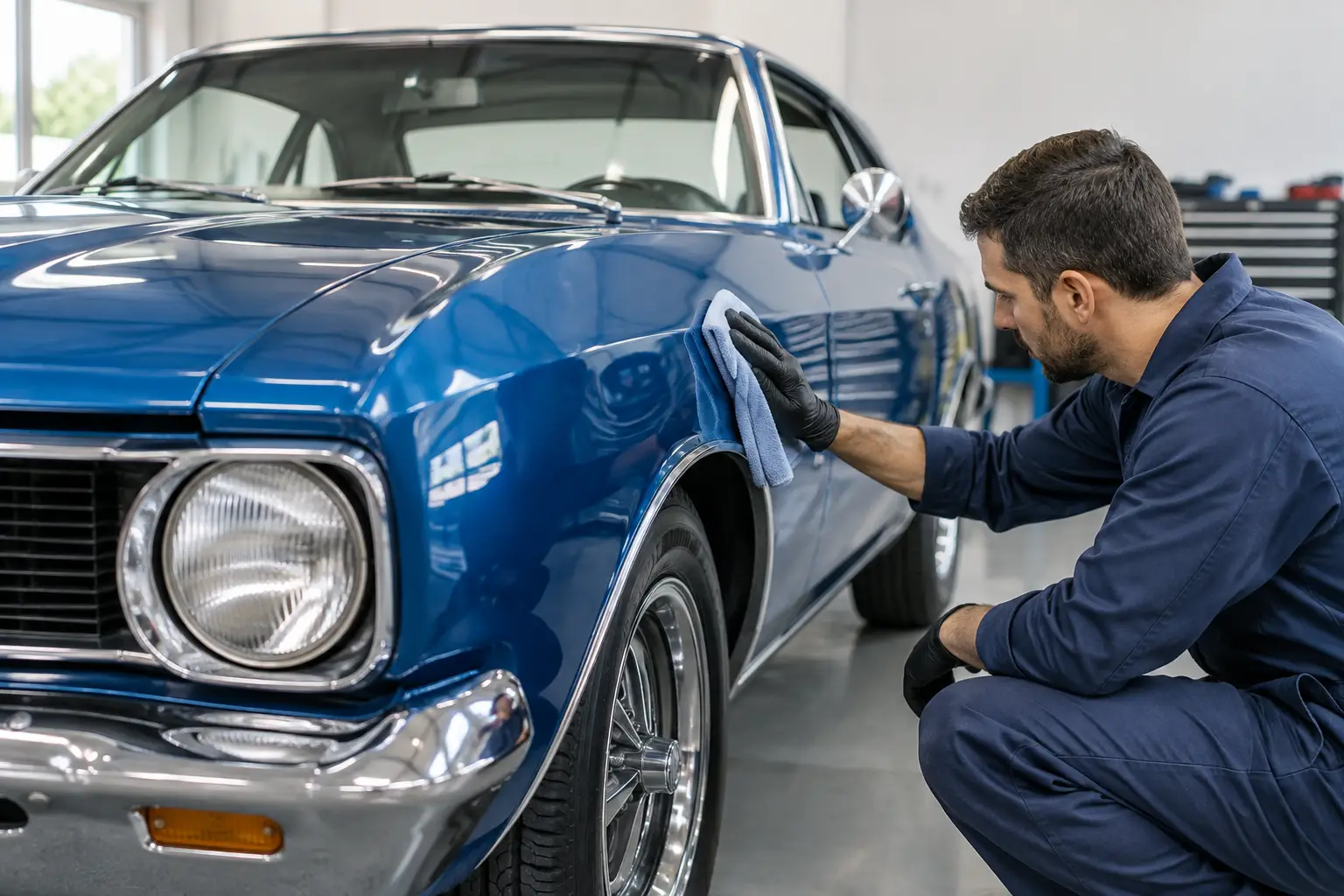
Car Restoration Worth Doing Before Damage Spreads
A sagging roof lining, split seat bolster or leaking convertible top rarely stays a small problem for long. In Singapore’s heat and humidity, materials can deteriorate quickly once their backing, stitching or seals begin to fail. Car restoration is not simply about making an older vehicle look better. Done properly, it protects comfort, usability and the parts of the vehicle that are increasingly difficult to replace well.
For owners of ageing, premium or enthusiast vehicles, the right decision is usually not whether to restore everything at once. It is knowing which work should be addressed now, what can be repaired rather than replaced, and who has the specialist capability to carry out the job properly.
What car restoration really means
Car restoration is often mistaken for cosmetic work. A polished dashboard or freshly retrimmed seat may be the visible result, but good restoration begins below the surface. It considers the original construction, the condition of surrounding materials, the way the vehicle is used and whether a repair will remain sound after months of heat, movement and daily wear.
Interior restoration can include upholstery, seat foams, roof linings, door trims, carpets and interior panels. Exterior trim work may involve convertible soft tops, weather seals and windscreen-related replacement work. Each area has its own materials, fixings and failure points. A roof lining that drops, for example, may be caused by failed foam backing, but the repair also depends on the condition of the board, pillars, clips and trim edges.
The objective is not always to make a car look factory-new. For some vehicles, retaining the correct character, texture and fit matters more than replacing every original component. For others, especially daily-driven cars, durability and practicality may take priority. A proper consultation should identify that balance before work starts.
The restoration work that should not wait
Some defects are mainly visual, while others can lead to wider damage or compromise comfort and safety. Early attention is usually more cost-effective than waiting for a part to fail completely.
A sagging headlining is a good example. When loose fabric is allowed to hang, it can catch around visors, obscure visibility and pull at surrounding trim. Once the material has separated from its foam backing, glue alone is rarely a lasting remedy. The old degraded foam must be removed thoroughly and the replacement material installed with care, particularly around lights, handles and pillar trims.
Worn upholstery also deserves more than a quick cover-up. Cracked leather, torn fabric or collapsed seat foam affects support as well as appearance. Repairing a small worn section may preserve more of the original trim and cost less than a full retrim. However, if colour fading, brittleness or foam failure is widespread, restoring only one panel can leave an uneven result. The sensible scope depends on what is structurally sound and what can be matched convincingly.
Convertible tops require prompt assessment when there are leaks, slow operation, shrinking material, damaged seams or cloudy rear windows. Water entering through a failing top can affect carpets, electronics and interior trim. The visible tear may be minor, but the condition of tension cables, seals, drains and frame alignment must also be checked. Replacing a soft top without correcting the cause of poor fit can create a costly repeat problem.
Windscreen damage is another area where delay can be unwise. A small chip may be repairable in some cases, but a crack, edge damage or compromised laminate can call for replacement. Correct fitting, compatible glass and careful handling of surrounding mouldings are essential, particularly where cameras or sensors are involved.
Start with condition, not assumptions
The best restoration projects are planned from a clear inspection rather than a price based on photographs alone. Photos are useful for an initial conversation, but they cannot reliably show the condition of hidden backing boards, seat frames, water ingress or previous repairs.
A specialist should examine how the material has failed and what lies behind it. Is the seat leather damaged only on the outer bolster, or is the foam also collapsing? Has a roof lining loosened because of age, or has water entered through a windscreen seal? Is a convertible top leaking through the fabric, around the window bond or from blocked drainage channels?
These questions matter because superficial repairs can hide the cause without solving it. A low initial price is not good value if the same material lifts, leaks or splits again shortly afterwards. Transparent advice should set out the likely scope, available material choices and any limitations before the vehicle is booked in.
Why in-house workmanship makes a difference
Restoration work is detail-led. It involves removing trim without causing unnecessary damage, preparing each surface correctly, selecting suitable materials and refitting components so that gaps, tension and alignment remain right. That level of control is difficult to maintain when core stages are passed between multiple parties.
In-house work allows one workshop to remain accountable for the process from inspection through to fitting. It also makes it easier to identify an issue while the vehicle is present, rather than discovering a mismatch only after parts have been sent elsewhere and returned. For the owner, this means clearer communication and fewer unknowns.
Material handling matters too. Automotive fabrics, leather, adhesives and soft-top materials must be selected for their purpose, not simply for their appearance on a sample board. Heat resistance, backing type, thickness, grain, flexibility and UV exposure all affect the finished result. A material that looks close enough at first may wear poorly or fit badly around curves and seams.
At 8 Cushion, restoration work is approached as a workshop process rather than a quick cosmetic fix. The focus is on practical advice, controlled in-house production and a scope that fits the vehicle’s actual condition. That discipline helps avoid unnecessary work while ensuring that necessary work is not reduced to a temporary patch.
Repair, restore or replace?
There is no single answer, and the most expensive option is not automatically the right one. Repair is often appropriate when damage is localised and the surrounding material remains strong. A torn seam, small burn mark, isolated bolster wear or loose trim section may be addressed without replacing an entire assembly.
Restoration is suitable when the original item is worth preserving but needs more comprehensive work. This may involve rebuilding seat support, renewing a roof lining with the correct type of material, or carefully refurbishing trim that has faded and deteriorated over time.
Replacement becomes the wiser route where the material has lost its integrity. A convertible top with widespread cracking, brittle seams and recurring leaks is unlikely to provide reliable service after a local patch. Likewise, a windscreen with significant cracking should not be treated as an aesthetic issue. The condition, safety implications and expected lifespan of the repair should guide the decision.
Owners should also consider how long they intend to keep the vehicle. If the car is a long-term keeper, doing the preparation properly and choosing suitable materials usually gives better value over time. If a sale is planned, targeted restoration of obvious defects can improve presentation and buyer confidence, provided the work is honest and proportionate.
Preparing your vehicle for restoration
A little preparation helps the assessment move faster. Remove personal items from the cabin and note any existing electrical faults, warning lights or trim damage. If there is a leak, share when it occurs: after heavy rain, washing the car, opening the roof or only when the vehicle is parked on a slope. These details can help trace the cause.
It is also helpful to be clear about your priorities. Some owners want the closest possible match to original trim. Others need a hard-wearing finish for everyday family use. Neither approach is wrong, but they may require different material choices and different budgets.
Good restoration should leave the vehicle more comfortable to own, not merely more impressive for a day. Address defects while they are still contained, choose workmanship that respects the vehicle’s construction, and ask for a clear explanation of what the job involves. That is how a tired interior or failing soft top becomes a repair you can rely on every time you get behind the wheel.
Related posts
Sun Damaged Car Upholstery Repair Guide
Sun damaged car upholstery repair starts with the right diagnosis. Learn what ca
How to Choose a Windscreen Replacement Properly
Learn how to choose windscreen replacement for your vehicle, from correct glass
How to Clean Suede Car Upholstery Safely
Learn how to clean suede car upholstery safely, remove fresh marks gently, and k