


Best Reasons to Restore Car Interior Before Damage Spreads
A sagging roof lining, split seat bolster or peeling door trim rarely stays a small problem. In Singapore’s heat and humidity, adhesives weaken, foam degrades and worn surfaces can deteriorate quickly. The best reasons to restore car interior are not only about making a cabin look presentable again. Proper restoration protects the parts you touch every day, preserves the character of the vehicle and prevents manageable wear from becoming a larger replacement job.
For owners of premium, ageing and restoration-worthy vehicles, the right decision is usually not whether to spend on the cabin. It is whether to repair it properly, with appropriate materials and a clear scope of work, before damage spreads.
Best Reasons to Restore Car Interior Early
Comfort should not be treated as a luxury
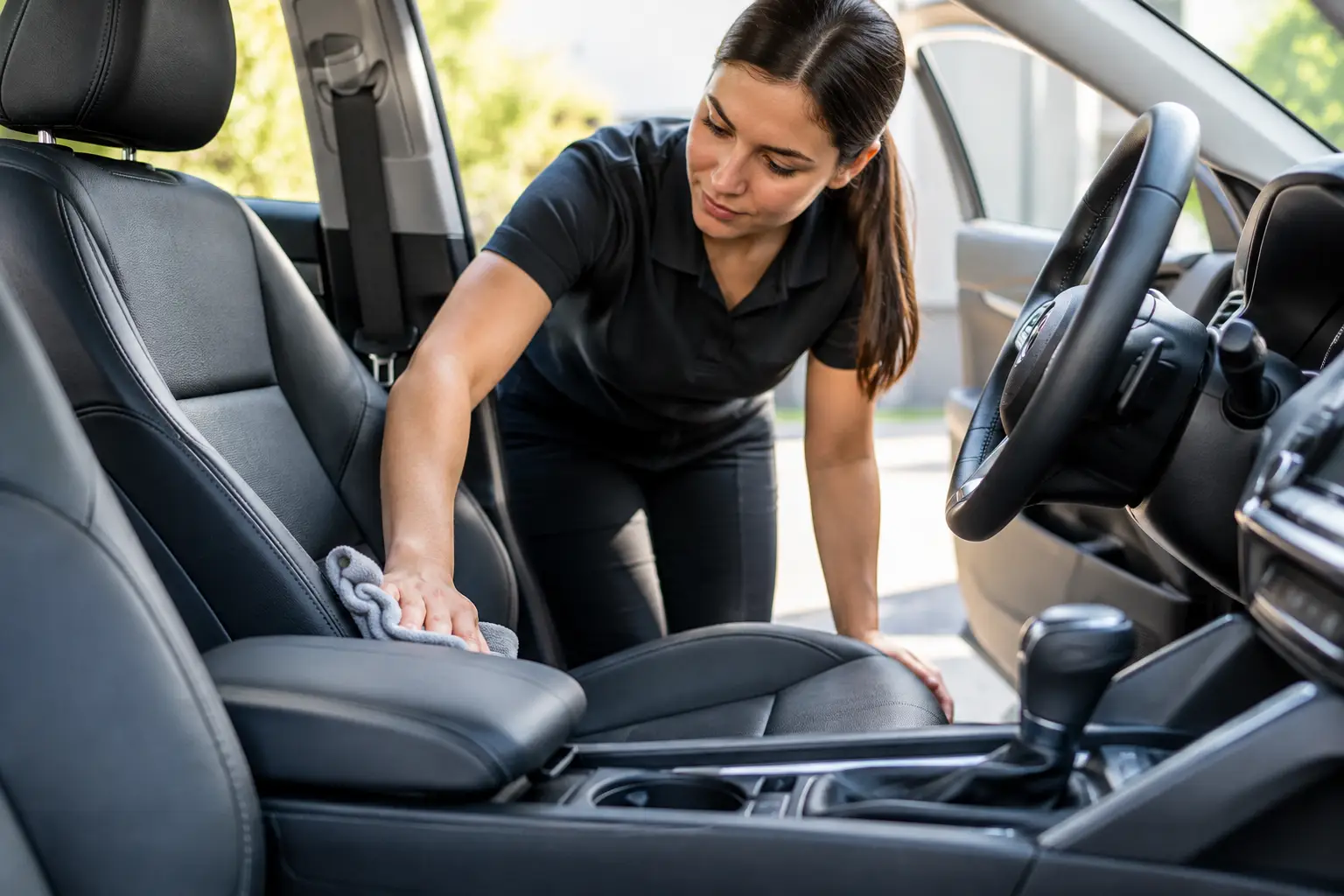
Your car interior is a working environment. You sit in it through traffic, carry family and clients in it, and rely on it during daily journeys. Flattened seat cushions, cracked upholstery, loose trim and drooping headlining affect more than the appearance of the cabin. They make the vehicle less comfortable and, over time, less pleasant to use.
Restoration can address the underlying issue rather than merely covering it. A seat that has lost support may need cushion repair as well as new upholstery. A roof lining that is hanging down may require removal, preparation of the backing board and the correct adhesive system, not a quick re-glue around the edges. The difference is felt every time you get behind the wheel.
Small defects can lead to broader deterioration
Interior materials are connected. When leather or vinyl splits, the exposed edge is more vulnerable to further tearing. When foam beneath an upholstered panel turns to dust, the outer material loses its shape. When a roof lining begins to sag, it can obstruct visibility and pull away across a wider area.
Early intervention often gives a specialist more options. A local repair, reinforcement or carefully matched replacement panel may be possible while the original structure is still sound. Leave the problem for too long, and the repair can become more extensive because deteriorated foam, backing materials, clips or adjacent trim also need attention.
This does not mean every mark warrants a full restoration. Light surface wear may respond well to cleaning and conditioning. The point is to have the condition assessed before a cosmetic flaw becomes structural damage.
A restored cabin supports vehicle value
Buyers notice interiors immediately. A clean, well-fitted cabin tells them the vehicle has been cared for; sagging headlining, loose upholstery and tired trim can raise doubts about the rest of the car, even where mechanical maintenance has been excellent.
A quality interior restoration can help a vehicle present at its proper level, particularly for executive saloons, sports cars, classics and convertibles. It is not a guarantee of a higher sale price pound-for-pound, as market demand, mileage and service history still matter. However, it can improve buyer confidence, reduce obvious objections during viewings and help protect the value that poor presentation can quickly erode.
For vehicles you intend to keep, value also has a personal meaning. Preserving original design details and maintaining a cabin that feels right can make ownership more satisfying for years to come.
Restore the Cause, Not Just the Surface
Interior work is often judged by the final photograph. The lasting result depends on what happens before the material is fitted.
Correct materials make a practical difference
Automotive interiors face high temperatures, UV exposure, friction, moisture and frequent cleaning. Domestic fabrics, unsuitable foam or general-purpose adhesives may look acceptable at first but can fail under these conditions. Colour matching, grain direction, stitch pattern and material thickness also matter if the finished work is to sit naturally with the rest of the cabin.
A specialist should consider the vehicle, the use case and the condition of the surrounding components. A family vehicle may benefit most from hard-wearing, easy-care upholstery. A collector vehicle may call for a closer match to the original finish. A convertible requires particular attention to weather resistance, water management and the relationship between its soft top, seals and interior trim.
The best material is therefore not always the most expensive one. It is the one suited to the vehicle and fitted correctly.
Safety and visibility deserve attention
Not all interior damage is merely cosmetic. A loose roof lining can drop into the driver’s view. Damaged seat upholstery may conceal weakened foam or affect the position and support of an occupant. Deteriorated trim around glass, pillars or seals can also deserve closer inspection, particularly after water ingress or windscreen replacement.
Where a fault affects visibility, seating security or weather sealing, it should be addressed promptly. Windscreen-related work must be handled with care because the glass, surrounding mouldings and bonding surfaces are critical areas. A proper assessment identifies what needs to be replaced, repaired or retained, rather than assuming every issue has the same solution.
Water ingress should never be ignored
A damp smell, recurring misting or discoloured roof lining can indicate that moisture has entered the vehicle. On convertibles, worn seals, drainage issues or an ageing soft top may be involved. On other vehicles, water can enter around glass, door membranes or body seals.
Replacing visible fabric without resolving the source of moisture is false economy. Water can damage foam, corrode hidden metalwork, stain trim and create mould. The correct order is diagnosis first, then restoration. Once the cause is controlled, the interior can be rebuilt with confidence.
Why In-House Work Matters
Interior restoration involves a sequence of dependent tasks: inspection, removal, material selection, preparation, repair, fitting and final checks. When this work is managed in-house, responsibility remains clear from start to finish.
That matters when the unexpected appears. A removed seat may reveal degraded foam. A roof lining board may have previous repair marks. A convertible top may show wear around tension points that is not visible when it is raised. An experienced workshop can discuss the finding, explain the options and adjust the scope before proceeding.
At 8 Cushion, core restoration work is carried out in-house rather than passed through layers of subcontracting. This supports tighter quality control, direct accountability and clearer communication on what the job requires. It also avoids middleman mark-ups that add cost without improving workmanship.
When Restoration Is Better Than Replacement
Replacement is sometimes necessary. Severely compromised soft tops, extensively damaged windscreens and trim that cannot be safely repaired may require new parts. Yet replacement should not be the automatic answer.
Restoration can retain original components, preserve factory fit and reduce unnecessary waste. It may also be more sensible where new parts are unavailable, excessively costly or supplied only in a finish that does not suit the vehicle. Conversely, attempting to save a component that has failed beyond repair can lead to repeated work and disappointment.
The practical approach is honest assessment. A good specialist will explain whether a repair is durable, whether restoration is worthwhile, and when replacement offers better long-term value.
What to Ask Before Approving Interior Work
Before committing to a project, ask how the workshop will identify the cause of the damage and whether related components will be checked. Confirm the proposed material, its suitability for automotive use and how closely it will match the existing interior. It is also sensible to ask what must be removed, whether hidden deterioration may affect the final scope, and how the finished work will be inspected.
Clear answers are a sign of disciplined workmanship. So is a workshop that does not promise an unrealistic result from a compromised base material. Restoration is skilled, hands-on work, and good advice sometimes means recommending a different route from the one initially expected.
A cabin does not need to be perfect to deserve attention. Addressing the worn seat, sagging roof lining or damaged trim at the right time keeps the vehicle comfortable, presentable and genuinely yours – with workmanship built to last rather than a temporary fix designed only to look good on collection day.
Related posts
Leather Versus Vinyl Upholstery for Your Car
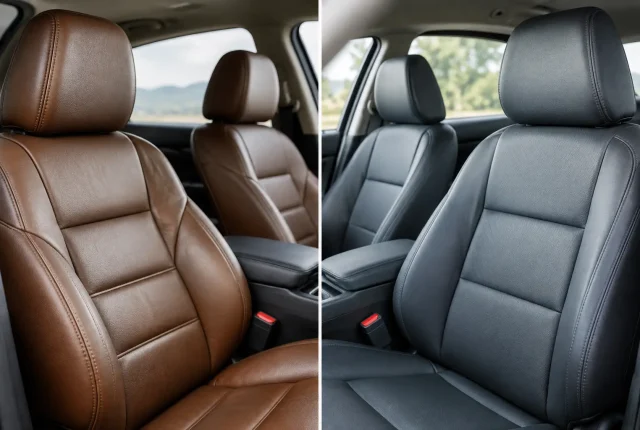
Leather versus vinyl upholstery affects comfort, upkeep and value. Learn which m
Restoration Versus Replacement Upholstery
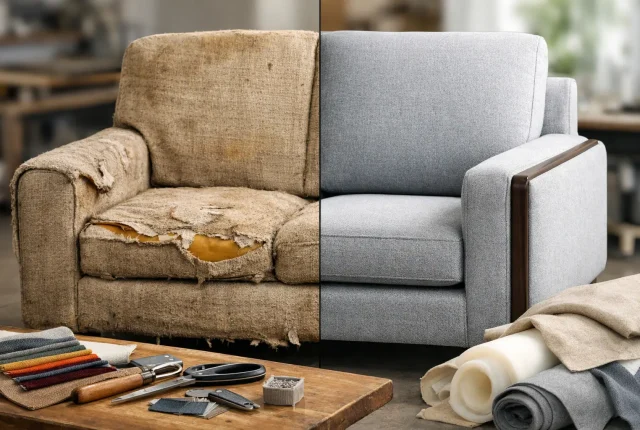
Restoration versus replacement upholstery - learn when to repair, retrim or repl
Best Materials for Car Roof Lining
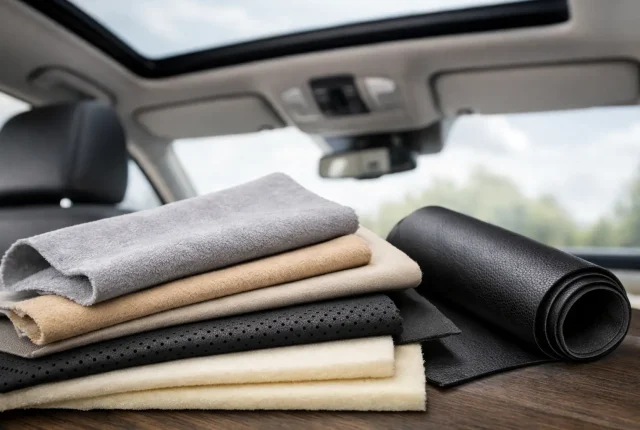
Choosing the best materials for car roof lining depends on heat, durability and