


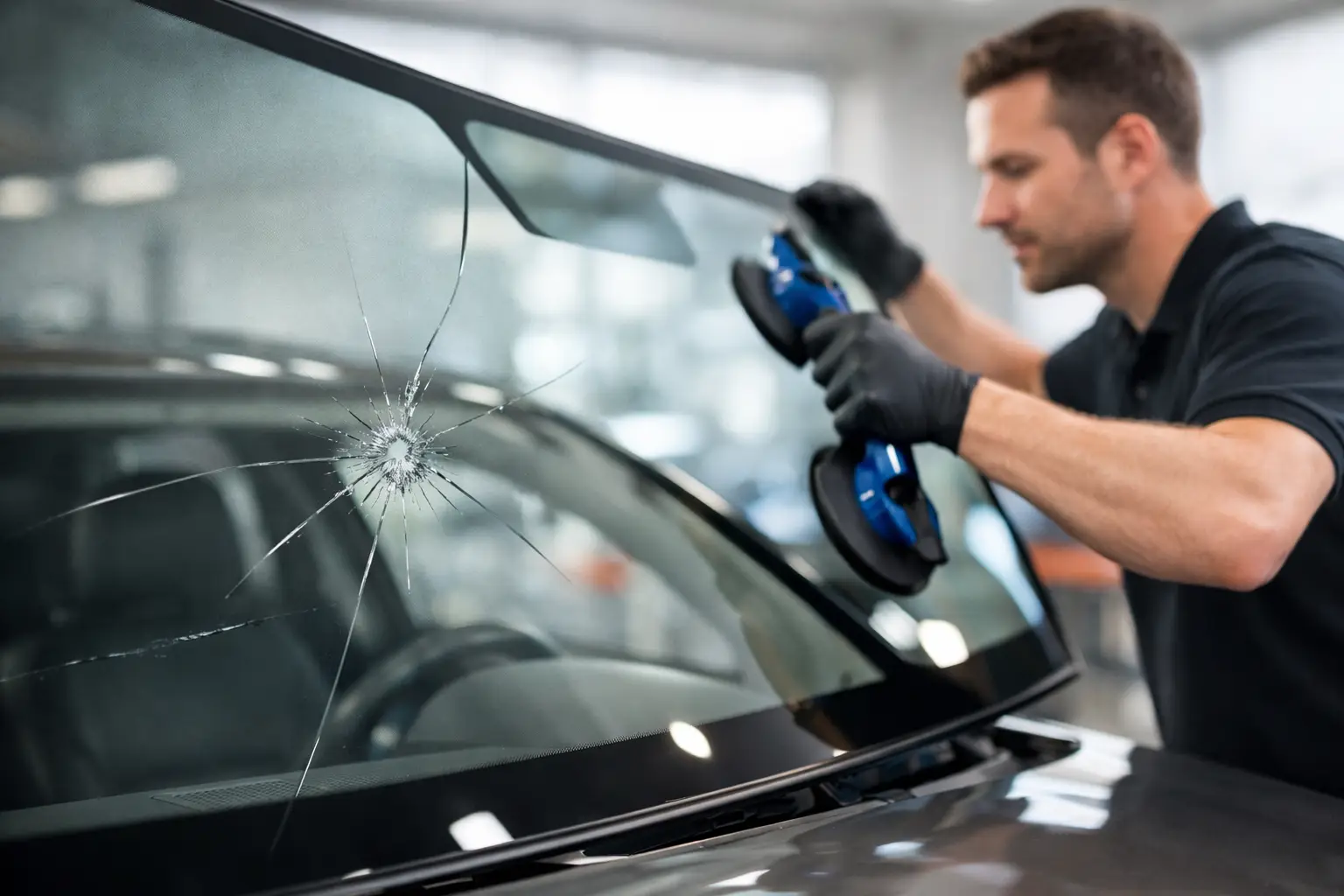
When Should a Windscreen Be Replaced?
A small chip can look harmless on Monday and become a full-width crack by Friday, especially after heat, rain, road vibration and daily use. That is why car owners often ask when should a windscreen be replaced – and the honest answer is that it depends on the type, position and severity of the damage, not just its size.
For many vehicles, the windscreen is not simply a piece of glass that keeps out wind and rain. It supports visibility, contributes to the vehicle’s structural integrity and, in modern cars, works alongside sensors and driver-assistance systems. Once damage crosses certain limits, repair stops being the responsible option and replacement becomes the safer one.
When should a windscreen be replaced instead of repaired?
The first consideration is always whether the damage can still be repaired to a safe standard. A clean, small chip away from the driver’s direct line of sight may sometimes be repairable. But if the glass is cracked, the damage has spread, or the affected area compromises vision, replacement is usually the correct route.
As a working rule, a windscreen should be replaced when the glass has a long crack, multiple chips, damage near the edge, or any defect that affects the driver’s view. These are not cosmetic issues. They change how the glass handles impact and stress.
Edge damage matters more than many drivers realise. The perimeter of the windscreen is a structurally sensitive area, and cracks that begin or travel near the edge are more likely to spread. Even if the visible mark seems modest, the risk is not.
The same applies when there are several chips rather than one obvious break. Each point of damage weakens the panel. One repairable chip may be manageable. A collection of chips often means the overall integrity of the windscreen has already been compromised.
Signs the damage has gone beyond a simple repair
There is a practical difference between damage that looks inconvenient and damage that is genuinely unsafe. In a specialist workshop, the decision is based on inspection, not guesswork.
Cracks that are spreading
A crack that is growing is telling you the glass is under stress. Temperature changes from sun exposure, air-conditioning, heavy rain and even normal driving over uneven roads can cause further movement. Once a crack begins to travel, delaying action rarely improves the outcome.
Damage in the driver’s line of sight
Even a repaired chip can leave slight distortion. If the defect sits where the driver needs a clear, undisturbed view of the road, replacement is often the better answer. Clear vision is not negotiable, especially in strong daylight, wet weather or night driving when glare is already a factor.
Chips or cracks near the windscreen edge
Damage near the edges is more likely to weaken the bond and spread across the panel. This is one of the clearest cases where replacement is often advised over repair.
Multiple points of impact
If the windscreen has taken several hits over time, the issue is cumulative. One old chip, one newer chip and a short crack may not look dramatic individually, but together they create a weaker and less predictable piece of glass.
White haze, delamination or internal defects
Not all windscreen problems come from stone impact. If you can see cloudiness, separation within the laminated glass, or visible defects between layers, replacement is usually required. These issues affect visibility and cannot be resolved with a simple resin repair.
Why size alone does not decide it
Drivers often ask for a simple measurement rule. While size is relevant, it is not the only factor. A small chip in a critical area may justify replacement, while a slightly larger one in a less sensitive position may still be assessed for repair.
This is where specialist judgement matters. The shape of the damage, its depth, the number of impact points and its location all need to be considered together. A disciplined workshop will not recommend replacement by default, but it should also not force a repair where the result would be second best.
That balanced approach matters for owners of premium cars, ageing vehicles and restoration projects in particular. You want the correct job, not the quick sale.
Modern cars raise the stakes
On many newer vehicles, the windscreen is part of a much larger system. Cameras, rain sensors, lane-assist features and other driver-support functions may be mounted to or calibrated through the windscreen area. If the glass is damaged or replaced incorrectly, those systems may not perform as intended.
That does not mean every damaged screen becomes a major technical case. It does mean replacement work should be handled with care, using the correct procedures and an understanding of the vehicle involved. For specialist vehicles and premium models, that attention to process is especially important.
Can you keep driving with a cracked windscreen?
Sometimes, yes – for a very short period and only if the damage is minor and not affecting safe visibility. But as a general habit, continuing to drive with a cracked windscreen is a poor decision. The crack can expand quickly, and what seemed manageable in the morning can become a serious obstruction later in the day.
There is also the safety issue during sudden braking, impact or airbag deployment. Windscreen glass plays a role in the vehicle’s overall safety performance. A weakened screen is not something to ignore until it becomes impossible to miss.
If you have any doubt, have it inspected early. Early assessment gives you more options. Waiting usually reduces them.
When should a windscreen be replaced on an older or restored vehicle?
Older vehicles need a slightly more careful conversation. In some cases, the damage itself clearly calls for replacement. In others, the condition of surrounding trims, mouldings, seals or body areas may also affect how the work should be carried out.
This is where specialist handling becomes valuable. On restoration-worthy vehicles, the goal is not merely to remove and refit glass. It is to protect the surrounding materials, preserve proper fitment and avoid creating new problems during the process. A rushed approach can damage trims, headlining edges or aged finishes that are harder to put right than the original glass issue.
For owners who care about long-term presentation and value, the workmanship around the windscreen matters as much as the glass itself.
What happens if you leave it too long?
A delayed decision often turns a smaller job into a larger one. A chip may become a crack. A crack may spread into the driver’s field of view. Moisture and dirt can enter damaged areas and make repair less viable. In some cases, the glass may still be replaced without complication, but the window for a simpler solution has gone.
There is also the cost of uncertainty. Many owners spend weeks looking at the damage, hoping it will stay the same. In practice, damaged glass rarely becomes more stable with time. It only becomes more vulnerable to the next bump, the next hot afternoon or the next downpour.
Choosing the right advice
The most useful answer to when should a windscreen be replaced is this: replace it when the damage affects safety, visibility, structural confidence or proper repairability. Not every chip needs a new screen, but every damaged screen deserves a proper inspection.
Good advice should be independent and specific to the vehicle in front of you. That means looking at the actual condition of the glass, where the damage sits, what systems the vehicle uses and how the replacement work needs to be carried out. At 8 Cushion, that specialist mindset is part of the value – careful assessment, in-house workmanship and no pressure to accept the wrong scope of work.
If your windscreen is chipped, cracked or showing signs of internal deterioration, do not wait for it to make the decision for you. The best time to act is usually earlier than most drivers think, while the job is still clear, controlled and done to the right standard.
A windscreen should give you confidence every time you drive. If it no longer does, that is usually your answer.
Related posts
Best Materials for Car Roof Lining
Choosing the best materials for car roof lining depends on heat, durability and
How to Spot Roof Lining Delamination
Learn how to spot roof lining delamination early, from sagging fabric to hidden
How to Choose Convertible Hood Material
Learn how to choose convertible hood material with expert advice on fabric, viny