


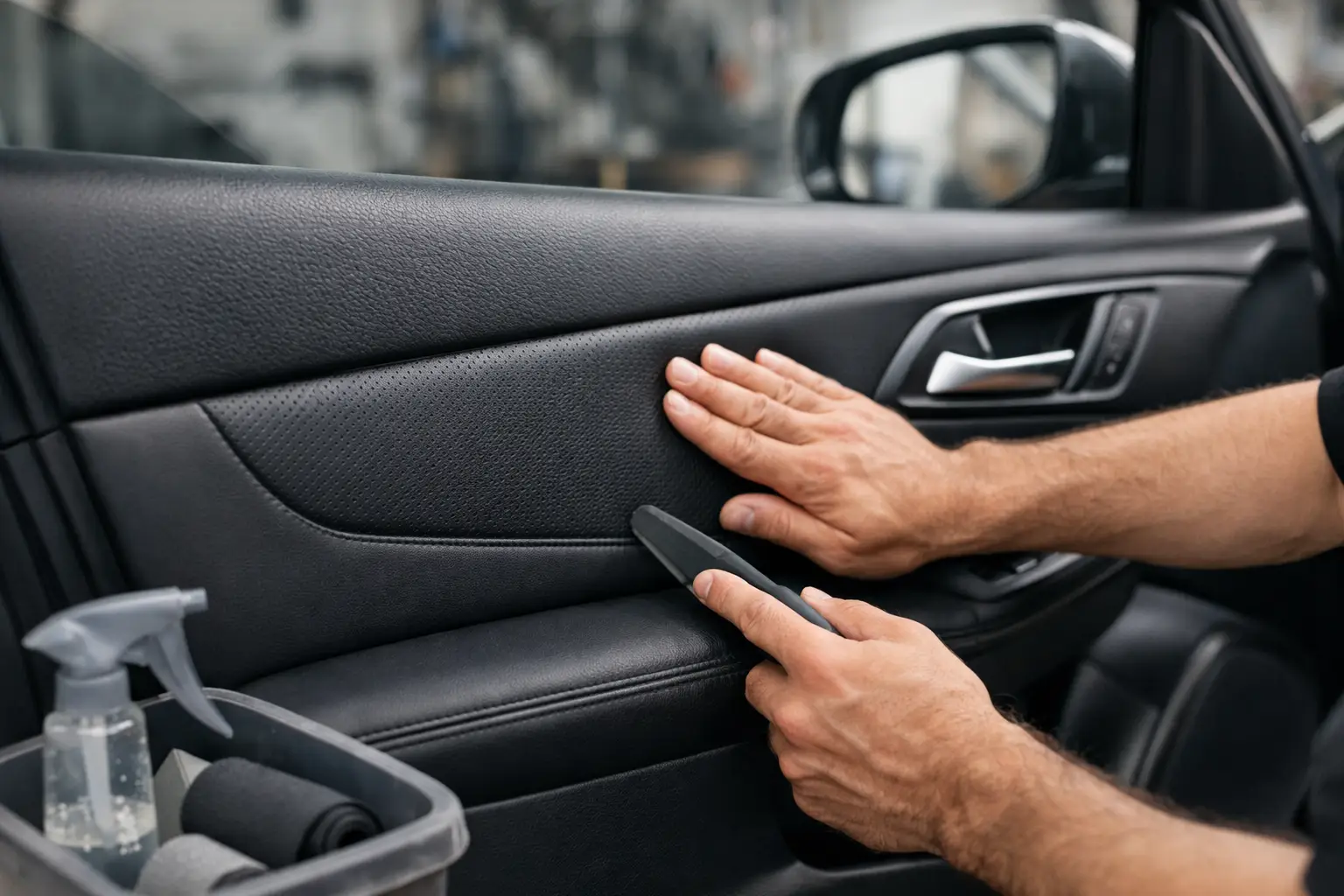
Door Panel Upholstery Repair That Lasts
A loose door insert, bubbling fabric or peeling leatherette does more than make a cabin look tired. It usually means the original adhesive has failed, the backing board has started to distort, or heat and moisture have done quiet damage over time. Proper door panel upholstery repair is not just about sticking material back down. It is about restoring the panel so it sits correctly, wears evenly and still looks right months later.
For many vehicle owners, the issue starts small. One corner lifts. A stitched insert begins to ripple. The trim near the pull handle starts separating from the panel. Then Singapore’s heat, regular use and repeated door slams speed things along. What looked cosmetic becomes a larger trim problem, especially in older cars, premium interiors and restoration projects where original fit and finish matter.
What causes door panel upholstery to fail
Door panels live in a difficult part of the car. They face sunlight, trapped heat, humidity, vibration and constant contact from hands, elbows and clothing. Over time, the material itself may still look decent, but the glue beneath it no longer holds. In other cases, the foam backing breaks down first, which causes the trim to loosen even when the outer surface has not torn.
There is rarely one single cause. Synthetic coverings can shrink slightly with age. Fabric can absorb moisture. Leather and leatherette can harden if neglected. Some vehicles also use door card boards or plastic substrates that warp when exposed to heat. Once the base shape changes, simply pressing the material back into place will not produce a clean result.
This is why a proper inspection matters before any repair starts. The visible defect on the surface is often only part of the job.
Door panel upholstery repair is not always a simple re-glue
A common assumption is that loose trim only needs fresh adhesive. Sometimes that is true, but only when the panel base is stable, the original material is still usable and the separation is minor. Even then, the old adhesive residue usually has to be removed properly. If that contaminated layer is left behind, the new bond may fail quickly.
Where the substrate is warped, cracked or softened, the repair becomes more involved. The panel may need reshaping, reinforcement or partial rebuilding before new upholstery is fitted. If the foam has perished, it should be replaced rather than trapped back under the surface. If the material has stretched, shrunk or torn around fixing points, reusing it may produce a finish that looks acceptable for a week and disappointing after that.
That is the difference between a cosmetic patch and a workshop-standard repair. One gets the trim back in place. The other restores the part with proper holding strength and a finish that belongs in the vehicle.
When repair makes sense and when replacement is the better route
Not every door panel should be repaired in the same way. The right decision depends on the material condition, panel construction and the owner’s expectations.
If the original insert is only lifting and the material is still in good condition, repair is often the sensible choice. It preserves the cabin’s original look and avoids unnecessary replacement. This is especially relevant for vehicles with matching trim grain, factory stitching patterns or aged interiors where a brand-new insert could look out of place next to the rest of the cabin.
If the panel has severe water damage, broken mounting points or multiple layers failing at once, replacement or retrimming may be the more reliable option. The same applies when previous low-cost repairs have left hardened glue lines, surface distortion or mismatched materials. A disciplined workshop will say so plainly. Not every panel benefits from the cheapest route.
For premium and restoration-worthy vehicles, there is also a value decision. A neat but short-term fix can reduce confidence in the rest of the cabin. A proper repair or retrim protects presentation, comfort and resale appeal.
How a proper repair process should be handled
Good trim work depends on process control. Door panels should be removed carefully to avoid breaking clips, damaging switch surrounds or marking adjacent trim. Once off the vehicle, the panel can be assessed properly for hidden issues such as moisture ingress, board swelling or failed retaining areas.
Material assessment comes first
Before any upholstery is lifted, the existing material should be checked for shrinkage, cracking, delamination and colour stability. If it can be saved, the repair approach should protect as much original finish as possible. If it cannot, replacement material must be selected with attention to texture, thickness and overall appearance.
The choice here matters more than many owners realise. A material that is slightly too thick can affect edges and trim fitment. A finish with the wrong grain can stand out immediately, even to someone who cannot explain why the door looks wrong.
Surface preparation decides longevity
Most failed repairs fail again because the base was not prepared correctly. Old foam, degraded adhesive and surface contamination need to be removed thoroughly. The panel base must be stable, dry and properly keyed where needed. If reshaping or reinforcement is required, that should be completed before new material is installed.
This stage is slow, but it is where lasting results are built. Rushing it saves time in the workshop and costs time later when the panel lifts again.
Adhesive choice is not universal
Different materials and panel types do not all respond well to the same glue. Heat resistance, flexibility and cure behaviour matter. A quick-fix adhesive may hold in mild conditions, then soften in a parked car exposed to strong sun. That is why specialist trim work relies on adhesives suited to automotive interior conditions, not generic off-the-shelf solutions.
Refit quality matters just as much
After trimming, the panel still has to go back on the vehicle properly. Clips, switch panels, handle surrounds and seals all need attention. A well-upholstered door card can still disappoint if it rattles, sits unevenly or shows gaps along the edge. Quality control should include both finish and fit.
Why DIY repairs often look acceptable at first and fail later
DIY door panel upholstery repair can be tempting, especially when online videos make the process look straightforward. The problem is not effort. It is hidden variables.
Many panels require more disassembly than expected. Trim clips break. Airbag-related areas need caution. Surface cleaning is often incomplete. Wrong adhesives can bleed through fabric, stain light-coloured materials or release under heat. Even when the material bonds initially, poor tensioning or trapped foam debris can create ripples that become obvious once the panel settles back into use.
There is also the issue of finish quality. Door panels sit at eye level every time you enter the car. Small alignment errors, glue marks or uneven edges remain visible long after the satisfaction of a weekend repair has faded.
For owners of daily drivers, executive cars or collector vehicles, it usually makes sense to treat interior trim the same way they would treat roof lining work, convertible top replacement or specialist restoration. These are not generic garage jobs.
What owners in Singapore should pay attention to
Local conditions are particularly hard on cabin trim. Heat build-up inside a parked car can be severe, and humidity does not help ageing adhesives or foam-backed materials. If a door panel is starting to peel, there is little advantage in waiting. The longer the trim hangs loose, the more likely it is to stretch, crease or pick up contamination that limits repair options.
It also helps to fix the root cause where relevant. If water is entering through failed seals or damaged membranes inside the door, that should be addressed alongside the upholstery work. Otherwise, even a well-executed repair may be exposed to the same conditions that caused the original failure.
Owners should also ask practical questions before committing the job. Is the work done in-house? Will the panel be assessed for substrate damage, not just surface lifting? Is the repair approach based on preserving the original material where sensible, or replacing it where necessary for a proper result? Clear answers usually indicate a specialist workshop rather than a general service counter.
The value of specialist workmanship
Door panel trim may seem like a minor interior issue until it is handled badly. Then the cabin never feels quite right. A specialist approach protects more than appearance. It preserves material harmony across the interior, keeps fitment tidy and avoids repeat work.
At 8 Cushion, this kind of work belongs in a controlled, in-house environment where inspection, preparation and finishing are handled with accountability from start to end. That matters because there is no middle step where responsibility gets blurred.
If your door panel trim is lifting, bubbling or separating, the best time to act is before the material distorts beyond recovery. A clean repair done properly does not call attention to itself. It simply makes the car feel correct again, every time you open the door.
Related posts
Can a Convertible Top Canvas Be Repaired?
Can a convertible top be repaired? Yes - but it depends on the damage, material
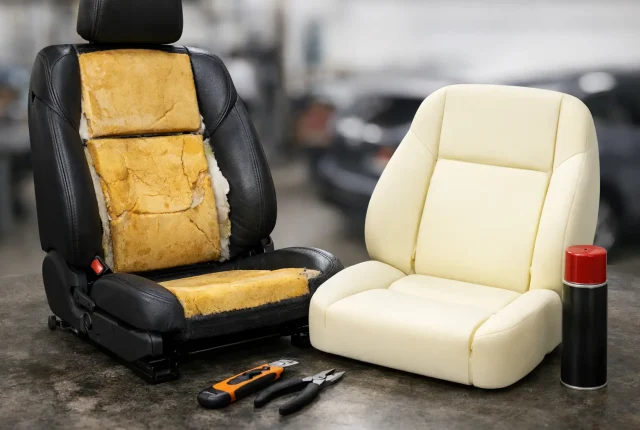
Choosing Replacement Car Seat Foam Properly
Choosing replacement car seat foam is about more than softness. Match density, t

Restoration Versus Replacement Upholstery
Restoration versus replacement upholstery - learn when to repair, retrim or repl