


Best Vehicle Upholstery Repair Near Me
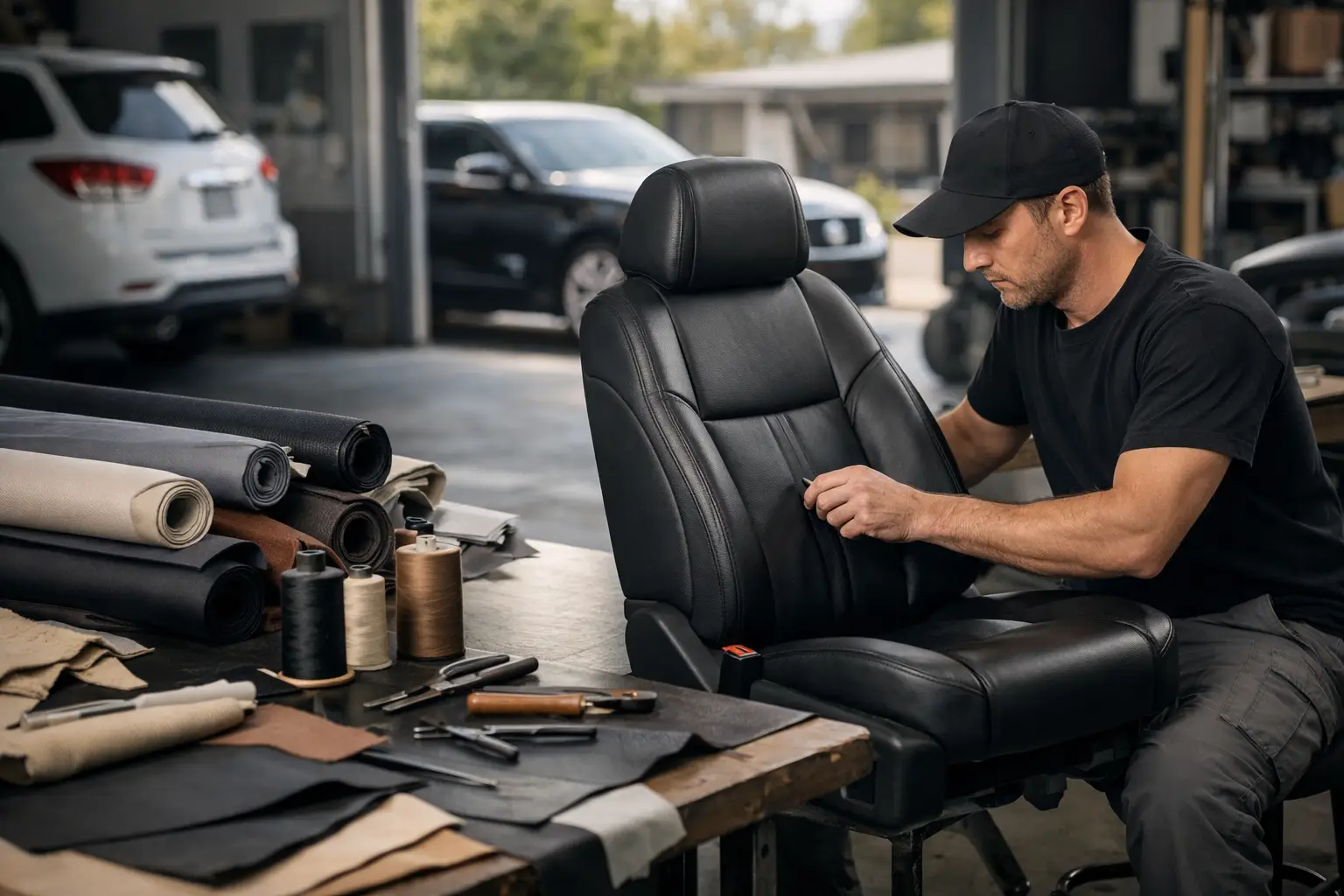
When people search for the best vehicle upholstery repair near me, it usually starts with something small that suddenly becomes impossible to ignore. A split seam on the driver’s seat. A roof lining that has started to sag in the heat. Cracked side bolsters, peeling trim, or fabric that looks tired long before the rest of the car does. At that point, the real question is not simply who can patch it up. It is who can repair it properly, with materials, methods and workmanship that suit the vehicle.
Vehicle upholstery is one of those areas where poor work shows quickly. A cheap repair may look acceptable for a few weeks, then the stitching loosens, the adhesive fails, or the replacement material ages at a different rate from the original interior. What looked like a saving becomes a second job, often a more expensive one. That is why choosing a specialist workshop matters.
What the best vehicle upholstery repair near me should really mean
The phrase sounds simple, but “best” should never mean closest, cheapest or fastest by default. In upholstery repair, best usually means a workshop that understands the difference between a cosmetic patch and a lasting solution.
A proper specialist will first assess the actual cause of the damage. For example, a torn leather seat may not only be about the visible tear. The foam beneath may have collapsed, the panel may have stretched, or the stitching line may be failing because of repeated friction. A sagging roof lining might be the result of deteriorated backing foam, not just loose fabric. If the diagnosis is wrong, the repair will be short-lived.
That is also why general mechanical workshops are rarely the right place for interior trim work. Upholstery, roof linings and trim restoration are skilled trades in their own right. They require pattern understanding, material handling, clean removal and refitting, and disciplined finishing. The work is visible every time you open the door, so shortcuts are hard to hide.
Signs you need a specialist, not a general repair shop
Some issues are obvious. Others are often underestimated until they spread. Seat wear is the most common starting point, especially on the driver’s side where people slide in and out daily. Small abrasions become cracks. Cracks become splits. Once the surface is broken, moisture, heat and friction speed up deterioration.
Fabric interiors have their own problems. Burns, stains, detached panels and stretched sections can make the cabin feel neglected even when the vehicle is mechanically sound. Roof linings are another common concern in Singapore’s climate, where heat and humidity can accelerate adhesive and foam breakdown.
Then there are specialist cases – classic interiors, premium vehicles, convertibles, and cars where material matching matters. In those situations, a basic fix is often the wrong fix. The workshop needs to understand not just how to replace a damaged section, but how to preserve the vehicle’s character and finish.
How to judge workmanship before you commit
If you are comparing providers for the best vehicle upholstery repair near me, start by looking beyond the sales language. Good workshops are clear about what they do in-house, how they inspect the damage, and what level of repair they recommend.
In-house work matters more than many customers realise. When the job is passed from one party to another, accountability becomes blurred. Timelines stretch, quality control weakens, and communication becomes less precise. A specialist workshop that handles core trim and upholstery work itself can inspect, advise, repair and check the result under one roof. That usually leads to tighter standards and fewer surprises.
Pricing transparency is another strong indicator. Upholstery repair is not one-size-fits-all, so any serious workshop should explain what you are paying for. Material condition, panel size, seat construction, vehicle model and extent of removal all affect cost. A trustworthy provider will not pretend every repair fits a flat-rate formula.
It also helps to pay attention to how the workshop talks about solutions. Good advice is not always the cheapest option, but it should be honest. Sometimes a localised repair is sensible. Sometimes a panel replacement will hold better and look cleaner. Sometimes full refurbishment is more cost-effective than repeated small fixes. The right answer depends on the condition of the vehicle and your expectations for finish and durability.
Repair, restore or replace – it depends on the damage
Many owners want a simple yes or no answer, but upholstery decisions often sit in the middle. Minor scuffs or isolated seam issues may be repairable without major replacement work. More advanced cracking, hardened leather, discoloured panels or deformed foam usually call for broader restoration.
Replacement is not automatically excessive. If a damaged section has already lost structure, a surface repair may only delay the inevitable. On the other hand, replacing too much without reason can push costs up unnecessarily and move the finish further away from the original look. The best workshops balance practicality with preservation.
This is especially relevant for older, premium or enthusiast vehicles. Owners often want the cabin to feel right, not merely tidier. Texture, grain, colour match and fit all matter. A disciplined workshop will consider these details rather than treating the job as a generic trim swap.
Why material knowledge makes a visible difference
Not all upholstery materials behave the same way. Leather, vinyl, synthetic leather, woven fabric, suede-style finishes and headlining materials each have different strengths, weaknesses and repair limits. Adhesives, stitching methods and backing materials also need to suit the application.
This is where specialist experience pays off. A workshop focused on automotive interiors understands heat exposure, daily wear points, seat tension, panel shaping and how materials age inside a vehicle. That knowledge affects everything from material selection to how tightly a replacement panel is fitted.
Poor material choice can create new problems. A mismatch in thickness may affect seam lines. Inferior backing foam may fail early. Incorrect adhesives can lift under heat. Even when the repair looks acceptable on collection day, these choices often determine whether it still looks right months later.
The real trade-off between price and value
Every customer has a budget, and there is nothing wrong with asking for practical options. But with upholstery, the cheapest quote is often cheap for a reason. It may involve lower-grade materials, partial preparation, limited dismantling, outsourced labour or cosmetic-only repair methods.
That does not mean the highest quote is automatically best either. Value comes from clarity of scope, quality of workmanship and whether the repair suits the vehicle. A good workshop will explain where your money goes and where corners should not be cut.
For many owners, especially those with well-kept cars, restoration-worthy interiors or convertibles, the smarter question is not “What is the lowest price?” but “What gives me the most dependable result?” A cabin repair is something you see and touch every day. If it is done properly, it improves comfort, pride of ownership and often resale presentation too.
What a disciplined workshop process looks like
A serious upholstery specialist usually follows a structured process. First comes inspection – not just of the visible damage, but of the surrounding material, foam support, attachment points and overall condition. Then comes advice on repair scope, material options and expected finish.
After that, the quality of dismantling and preparation becomes critical. Clean removal helps prevent broken clips, distorted panels or avoidable damage around the work area. Proper preparation also affects how well new materials sit, how seams align and how the finished repair wears over time.
Finally, refitting and inspection matter just as much as the repair itself. A trimmed seat or lining should not only look good in a photo. It should sit properly, function correctly and feel right in daily use. That level of discipline is what separates specialist workmanship from a quick cosmetic job.
For owners in Singapore, that is one reason businesses such as 8 Cushion focus on in-house execution and clear consultation rather than generalised workshop handling. When interior work is treated as a specialist craft, the customer gets better control, better accountability and fewer compromises.
Choosing with confidence
If you are still weighing up who offers the best vehicle upholstery repair near me, trust the workshop that asks the right questions. They should want to know how the damage happened, how long it has been there, how you use the vehicle, and what standard of finish you expect. That is not sales pressure. It is part of giving sound advice.
The right workshop will also be realistic. Not every interior can be returned to factory condition, and not every repair needs a full retrim. Honest assessment is a strength, not a weakness. It shows the business is focused on the right outcome rather than the easiest sale.
A well-repaired interior changes how a car feels. The cabin becomes quieter in the mind, more coherent, more cared for. If you choose a specialist with disciplined standards and genuine workshop accountability, you are not just fixing worn trim. You are putting proper craftsmanship back where you notice it most – every time you get behind the wheel.
Related posts
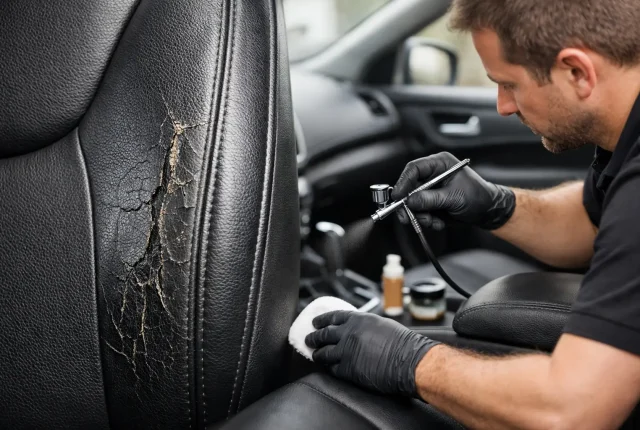
Can Cracked Leather Car Seats Be Repaired?
Can cracked leather car seats be repaired? Yes - but the right method depends on

Choosing Convertible Top Malfunction Repair Shops
Choosing convertible top replacement shops means looking past price. Learn what

Car Interior Rejuvenation, Uplift Your Self-confidence
Dinner is set at 7pm, Hotel Fullerton. You put on a tie to look smart, styled up