


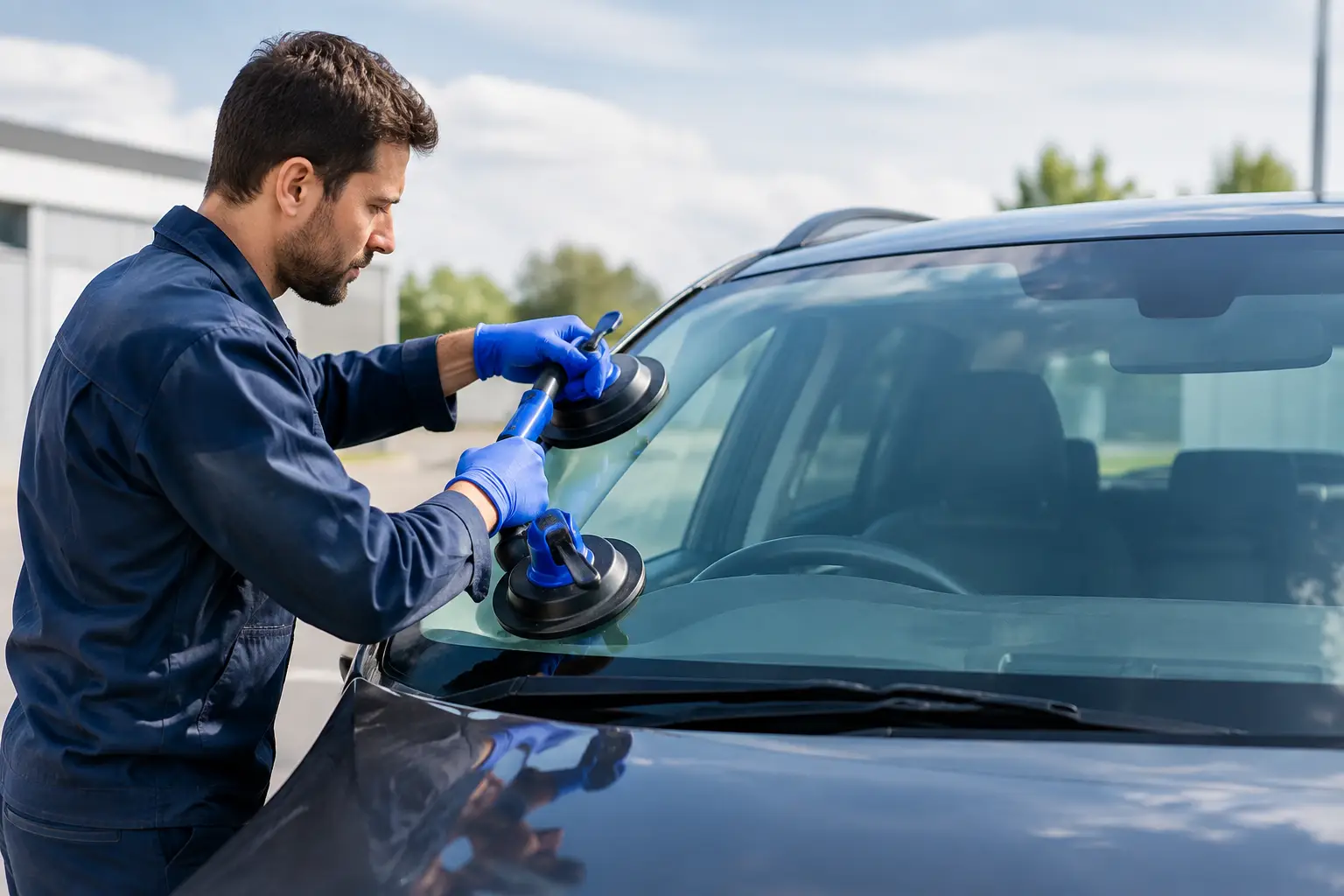
What Affects Windscreen Replacement Cost?
A windscreen is not simply a sheet of glass that keeps rain out. It contributes to body rigidity, supports the passenger airbag system on many cars, and provides a clear field of vision every time you drive. That is why windscreen replacement cost can vary sharply between vehicles, even when the visible crack appears similar.
For Singapore car owners, the right question is not only, “How much does a new windscreen cost?” It is whether the replacement glass, fitting method and post-installation checks are suitable for the vehicle. A low initial quote can become poor value if it excludes mouldings, sensor calibration, proper bonding or the small parts needed to restore the car correctly.
Windscreen replacement cost in Singapore: a realistic view
As a broad guide, a straightforward windscreen replacement for a common vehicle without advanced driver-assistance equipment may begin from roughly S$250 to S$600. Vehicles with larger screens, acoustic or solar-control glass, integrated cameras, rain sensors, heads-up display areas or more complex trim can commonly run from S$700 to S$1,800 or more.
These are working ranges rather than fixed prices. The exact windscreen replacement cost depends on the vehicle’s make, model, year and glass specification. A windscreen for a mass-market saloon is not priced or fitted in the same way as one for a premium SUV, a classic car or a convertible with model-specific finishing components.
A proper quotation should identify what is included. That normally means the glass itself, removal of the damaged screen, preparation of the bonding surface, adhesive, fitting labour and refitting of relevant trims. Where required, it should also make clear whether camera or sensor calibration, mouldings, clips and disposal are separate charges.
What changes the price of a windscreen replacement?
The glass is the most obvious cost, but it is rarely the only one. Four areas usually have the greatest effect on the final figure:
- Glass specification: Original equipment, equivalent-quality aftermarket and non-standard glass can have very different prices. Features such as acoustic interlayers, heat-reflective coatings, tinted bands and heads-up display compatibility add complexity.
- Vehicle technology: Forward-facing cameras, rain and light sensors, lane-support systems and automatic emergency braking functions may require recalibration after replacement.
- Condition around the aperture: Rust, old adhesive, damaged trims or brittle clips can only be assessed properly once removal begins. These issues need attention before new glass is bonded in.
- Availability and vehicle type: Less common, older and premium vehicles may require special-order glass or model-specific seals and mouldings. Convertibles and restoration vehicles can also demand more careful trim handling.
It is reasonable to ask whether a cheaper glass option is available. The answer depends on the vehicle and your priorities. A quality aftermarket screen may be an appropriate choice for some cars, particularly where the specification is simple. On newer vehicles with camera systems, special coatings or precise optical requirements, the lowest-priced option may not deliver the same fit, clarity or system compatibility.
The fitting work matters as much as the glass
A replacement windscreen is a bonded safety component. The old screen must be removed without damaging the body flange, dashboard, headlining or surrounding trim. The bonding surface then needs to be cleaned and prepared correctly before the appropriate adhesive is applied.
Poor preparation can lead to water leaks, wind noise, uneven trim fitment and corrosion appearing later around the windscreen frame. In more serious cases, incorrect bonding can affect how the screen performs in a collision. This is not an area where rushed fitting is a sensible trade-off.
At 8 Cushion, the focus is on controlled, in-house workmanship rather than passing core work between parties. That approach is particularly valuable where windscreen removal sits close to delicate roof linings, A-pillar trims, convertible-top components or ageing interior materials. The task is not complete when the glass looks clean from the outside. It is complete when the vehicle is reassembled properly and the finish is right throughout.
Why calibration can add to the bill
Many newer cars use a camera mounted behind the windscreen to read lane markings, recognise traffic signs or support braking and cruise-control functions. Moving or replacing the screen can alter the camera’s reference position, even if the camera itself has not been damaged.
Depending on the vehicle, calibration may be static, dynamic or both. Static calibration is performed using diagnostic equipment and precisely positioned targets. Dynamic calibration may require a controlled road drive under suitable conditions. The method is dictated by the manufacturer’s procedure, not by convenience.
Do not assume calibration is included in every quote. Ask whether your vehicle requires it, how it will be handled and whether the cost is included. If a warning light appears after replacement, it should be diagnosed rather than ignored. Safety systems must work as intended, not merely appear to be connected.
Insurance or private payment: which makes sense?
If your motor policy includes windscreen cover, an insurance claim may reduce your immediate outlay. However, you should check the excess, claim limit, approved repair conditions and whether a claim affects your no-claims discount. Policies differ, and the best choice depends on the cost of the work and your cover.
For a small repairable chip, private payment may be straightforward and preserve the original glass. For a full replacement, insurance can be worthwhile, especially where the screen has a high specification or calibration is required. The key is to understand the full scope before authorising the job.
A transparent workshop will explain the practical options without pushing a claim simply because it is available. Independent advice is useful when the vehicle has unusual glass, trim concerns or restoration value that needs to be protected.
Repair or replacement: do not replace glass unnecessarily
Not every windscreen mark requires a complete replacement. A small chip may be repairable when it is outside the driver’s critical viewing area, has not spread into a long crack and is not positioned at an edge or directly over important sensor equipment. A timely repair can stop a chip from expanding and is usually the more economical route.
Replacement is generally the safer decision when there is a long crack, damage near the edge, multiple impact points, deep damage, significant distortion or a crack obstructing the driver’s view. A workshop assessment should consider the location and nature of the damage, not just its size.
There is also a practical point: avoid slamming doors, directing very hot or cold air at damaged glass, or washing the car with high-pressure water near a crack. Temperature change and body flex can cause a chip to travel without warning.
Questions worth asking before you approve a quote
A clear discussion at the start prevents surprises later. Ask whether the quoted glass matches your vehicle’s required specification, whether mouldings and clips are included, and whether calibration is needed. It is also sensible to ask about the expected fitting time and when the vehicle can be driven safely after bonding.
For older cars and restoration projects, ask how surrounding trims and headlining will be protected during removal. Materials that have been in place for decades can be fragile, and replacement parts may be difficult to source. Specialist handling is often worth more than a modest saving on the first quotation.
Finally, look beyond the headline number. A lower windscreen replacement cost is only good value when it includes the correct components, responsible installation and accountability for the finished result.
When a screen is cracked, arrange an assessment before the damage spreads or compromises your view. The best replacement is the one that leaves your vehicle safe, dry, correctly finished and ready to be driven with confidence.
Related posts
Windscreen Repair Versus Replacement Guide
A practical windscreen repair versus replacement guide for Singapore drivers - w

How to Protect Classic Car Interior Properly
Learn how to protect classic car interior trim, leather, vinyl and roof lining w
Is Headliner Replacement Worth It for Your Car?
Is headliner replacement worth it? Learn when repair makes sense, what affects c