


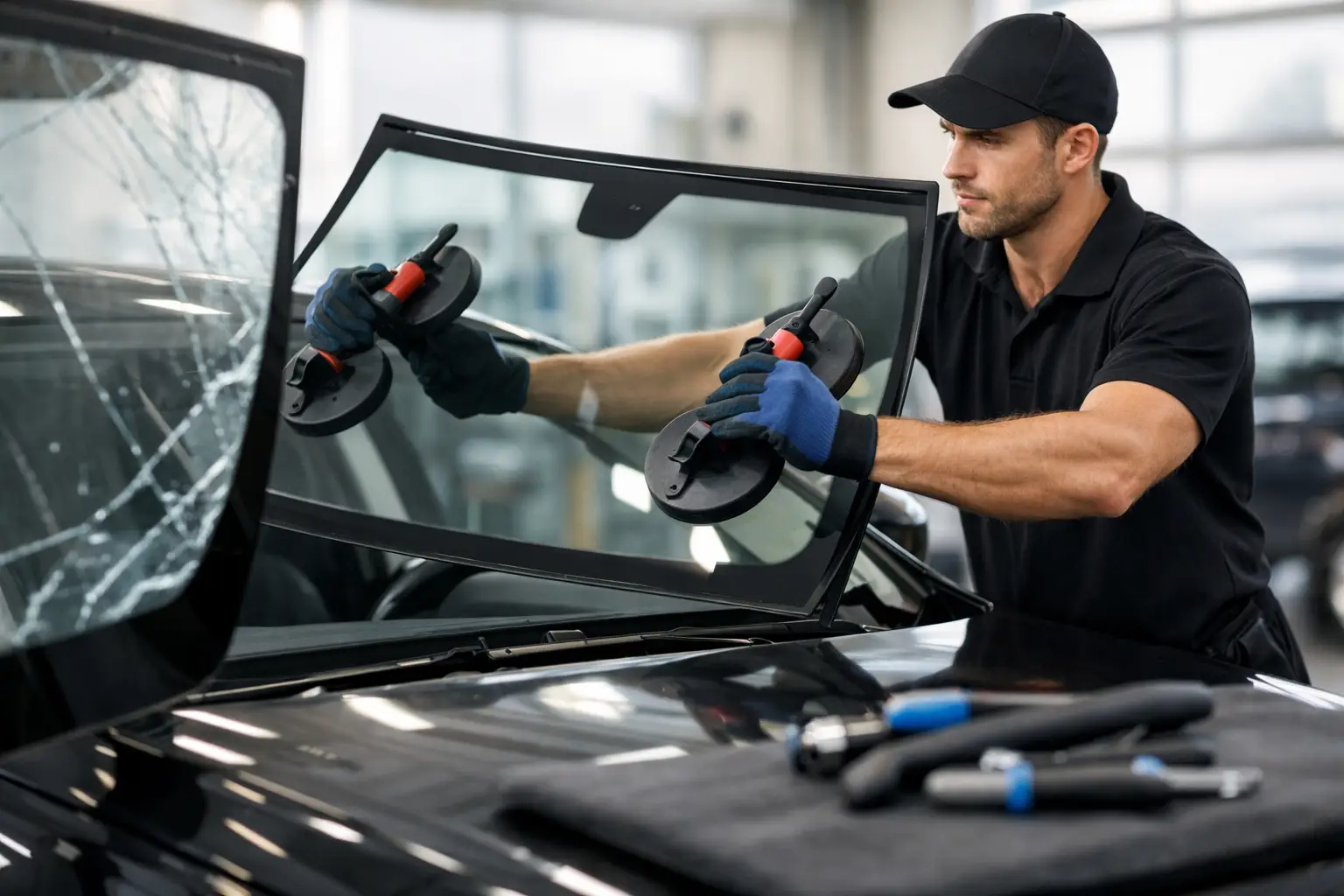
Windscreen Replacement Service Explained
A cracked windscreen rarely arrives at a convenient time. Sometimes it starts as a small chip after an expressway drive, then spreads across the glass after a hot afternoon, heavy rain, or one firm door close. When that happens, choosing the right windscreen replacement service is not just about getting new glass fitted quickly. It is about safety, proper sealing, clean finishing, and confidence that the job has been carried out with care.
For many vehicle owners, the windscreen looks simple from the outside – remove the broken one, fit a new one, and the car is ready. In practice, the standard of the work matters a great deal. A windscreen is part of the vehicle structure. It contributes to visibility, cabin protection, weather sealing, and, in modern cars, the proper function of attached trims, sensors, and surrounding interior components. A rushed job can leave you with wind noise, water leaks, poor trim fitment, or worse, a compromised installation.
What a proper windscreen replacement service should include
A professional windscreen replacement service starts before any glass is removed. The vehicle should be inspected properly so the workshop understands the condition of the existing windscreen, the surrounding trims, and any related issues such as prior poor workmanship, hardened sealant, rust around the aperture, or damage to mouldings.
This early assessment matters because no two cars arrive in the same condition. An older vehicle may have brittle trims or signs of earlier repairs. A premium model may have more sensitive surrounding components. A restoration-worthy car may need a more careful approach to preserve original interior and exterior finishes. If a workshop treats every windscreen job as identical, the quality usually suffers where it matters most.
Removal should be controlled and methodical. The aim is not simply to get the old glass out. The aim is to protect the bodywork, dashboard edges, headlining, pillar trims, and paint around the aperture. This is where specialist handling makes a visible difference. Damage done during removal often becomes the problem the customer only discovers later.
Once the old windscreen is out, the bonding area needs to be cleaned and prepared correctly. Any contamination, poor residue management, or missed corrosion can affect the new installation. The right adhesive process, curing considerations, and precise placement of the new glass are all part of a disciplined workflow. This is not an area for shortcuts.
Why workmanship matters more than speed
Most customers understandably want their car back as soon as possible. But with windscreen work, speed should never come ahead of process control. A fast turnaround is only valuable if the installation is sound.
A well-executed job should leave the windscreen correctly aligned, trims refitted cleanly, and the cabin protected from water ingress and unnecessary disturbance. The finish should look right because it is right. That means no uneven gaps, no loose mouldings, and no tell-tale signs of careless handling around the interior.
There is also the issue of adhesive curing and safe drive-away timing. This is where honest advice matters. The correct waiting period can vary depending on the adhesive system, the vehicle, and workshop conditions. A trustworthy specialist should explain what is required rather than giving a blanket answer designed only for convenience.
For Singapore drivers, this is especially relevant. Heat, humidity, sudden storms, and frequent daily use all place demands on glass installation and sealing quality. A windscreen that appears fine on collection day may reveal poor workmanship only after heavy rain or prolonged sun exposure. Proper preparation helps prevent those problems from surfacing later.
Signs you may need windscreen replacement, not repair
Not every damaged windscreen needs to be replaced. Some chips can be repaired if they are small, stable, and outside the driver’s critical line of sight. But there is a point where replacement becomes the safer and more sensible option.
If the crack is spreading, if the damage obstructs vision, or if the integrity of the glass is already compromised, replacement is usually the better route. The location of the damage matters just as much as the size. A relatively modest defect in the wrong area can be more serious than a larger blemish near the edge.
The age and condition of the windscreen also count. If the glass already has pitting, earlier repair marks, delamination, or worn surrounding seals and trims, replacing only one visible defect may not give the best result. In those cases, a specialist workshop should advise based on the full condition of the assembly, not simply the most obvious mark.
This is where independent advice has real value. Customers do not need pressure. They need a clear explanation of what is repairable, what is not, and what will hold up properly over time.
Choosing a windscreen replacement service for specialist vehicles
Some vehicles need more than generic glass fitting. Convertibles, premium cars, older vehicles, and restoration projects all come with their own considerations. Trim condition, interior sensitivity, model-specific mouldings, and the relationship between glass and surrounding materials can all affect how the work should be approached.
A specialist workshop is more likely to understand those details because it works close to the vehicle’s finishing elements every day. That includes headlinings, pillar trims, upper seals, roof-related components, and interior touchpoints that can easily be marked or stressed during glass work.
For owners of cherished cars, that matters. The concern is not only whether the new windscreen is installed. It is whether the car comes back without fresh scratches, disturbed trims, rattles, or cosmetic damage around areas that were previously in good order.
Work carried out in-house also gives better control. When a workshop manages the process directly, there is clearer accountability for quality, scheduling, and final finish. You are not dealing with a chain of handovers where responsibility becomes blurred. That matters when the job needs careful handling rather than volume-based processing.
What to ask before approving the job
A good workshop should be comfortable answering practical questions in plain terms. Ask how the vehicle will be assessed before removal, whether the work is done in-house, how surrounding trims and interior areas are protected, and what happens if hidden issues are found once the windscreen is removed.
It is also sensible to ask about the expected curing process and collection timing. A disciplined workshop will explain this clearly rather than brushing it aside. If your car has special trims, uncommon glass, or restoration considerations, say so early. The right provider will factor that into the plan instead of treating it as an inconvenience.
Price matters, but price should be read together with scope. A cheaper quotation may not include the same level of care, preparation, trim handling, or problem-solving if complications appear. With windscreens, the lowest figure is not always the lowest cost once rework, leaks, or damaged trims enter the picture.
The value of process, not promises
Any workshop can say it provides quality. What customers should look for is evidence of process. Is there a clear method from inspection to completion? Is the advice specific to the vehicle? Is the workmanship controlled in-house? Are standards explained in practical terms rather than broad claims?
That disciplined approach is what creates peace of mind. At 8 Cushion, specialist work is handled with that mindset because the details around the job matter as much as the finished glass. The goal is not simply replacement. The goal is a properly executed result with accountability from start to finish.
A windscreen is one of those components you should be able to stop thinking about once the work is done. No leaks, no noise, no visual distractions, no doubts. Just clear visibility and the quiet confidence that the car has been handled by people who understand what proper workmanship looks like.
If your windscreen damage has moved beyond a simple repair, take the time to choose a workshop that values process over shortcuts. The right service will not just put new glass into the opening. It will protect the vehicle around it, respect the condition of the car, and leave you with one less thing to worry about every time you drive.
Related posts
Best Car Headliner Fabric Options Explained
Compare the best car headliner fabric options for heat, durability, fit and fini
Convertible Top Replacement Buyer Guide
Our convertible top replacement buyer guide explains materials, fit, glass, labo
Best Auto Upholstery Repair: What Matters
Looking for the best auto upholstery repair? Learn what separates specialist wor