



Why In House Restoration Quality Control Matters
A convertible roof that sits slightly off at the header rail, a roof lining that looks neat for two weeks before sagging again, upholstery that matches in tone but not in grain – these are not small details. They are the difference between a proper restoration and a cosmetic patch-up. That is why in-house restoration quality control matters so much when you are trusting someone with a specialist vehicle interior, a soft top, or trim work that cannot simply be redone without added cost and risk.
For many car owners, the issue only becomes clear after the work is finished. The quotation may have looked reasonable, the promises may have sounded confident, yet the final result feels inconsistent. One part fits well, another does not. One panel is finished cleanly, another shows rushed handling. When work passes through too many hands, quality can become fragmented. Accountability goes the same way.
What in-house restoration quality control really means
In practical terms, in-house restoration quality control means the workshop handling your project keeps the core work, inspection, and responsibility under one roof. The same team assessing the problem is close to the dismantling, preparation, repair, trimming, refitting, and final checks. That does not mean every job is identical or that every car follows the same path. It means the process is controlled rather than passed around.
For specialist automotive restoration, that matters because many faults are not obvious until the work begins. A sagging roof lining may reveal brittle backing material. A leaking convertible top may point to frame alignment, seal wear, drainage issues, or fabric shrinkage rather than one simple cause. Damaged upholstery may involve foam breakdown, stitching failure, sun damage, or previous poor repairs. If diagnosis and execution are separated, details get lost.
An in-house model reduces that gap. The people doing the work can flag issues early, discuss options realistically, and maintain a consistent standard from start to finish.
Why specialist vehicles need tighter control
General workshop logic does not always apply to interiors and restoration-led jobs. Mechanical servicing often follows standardised parts and repeatable procedures. Interior refurbishment, trim replacement, convertible top installation, and restoration work are far more dependent on material judgement, hand skills, and fitment discipline.
A windscreen replacement, for example, is not just about removing glass and bonding a new unit. On some vehicles, trim condition, sensor placement, moulding fit, and surrounding finishes all affect the final result. The same applies to upholstery and roof linings. Material handling, adhesive timing, storage condition, temperature, and preparation standards can all affect durability.
This is where in-house restoration quality control gives customers peace of mind. The workshop is not only doing the visible finish. It is managing the hidden steps that determine whether the work still holds up months later.
The real customer benefit is accountability
Customers are often told that outsourcing is normal. In some trades, it is. But normal does not always mean better for the owner of a car that needs careful restorative work.
When one business takes the booking, another removes parts, a third handles trimming, and someone else refits everything, it becomes difficult to know who is responsible if the final result falls short. Was the issue caused during removal, material selection, stitching, bonding, storage, or refit? Too often, the customer is left in the middle.
An in-house process creates a clearer line of accountability. If the same workshop owns the job from consultation to completion, there is less room for finger-pointing. That usually leads to more careful planning at the start, more disciplined workmanship during production, and more meaningful checks before handover.
For owners of premium, ageing, or restoration-worthy vehicles, that is not a minor advantage. It protects both the car and the customer.
In-house restoration quality control and pricing
Quality control is often discussed as a workmanship issue, but it also affects price. Not just the amount on the invoice, but whether the value is genuine.
When work is outsourced through layers, each stage can add cost. Sometimes that extra cost does not improve the result. It simply covers handling, coordination, and margin between parties. The customer pays more without getting closer to the craftsman actually doing the job.
A disciplined in-house workshop has a stronger basis for transparent pricing because the scope is seen directly. The team can assess whether a convertible roof needs repair or full replacement, whether a roof lining can be restored neatly or whether surrounding trim also needs attention, and whether upholstery damage is localised or part of wider deterioration. That leads to advice that is more independent and usually more practical.
Of course, in-house work is not automatically the cheapest option. Specialist labour, proper materials, and careful inspection have a cost. But there is a difference between paying for skilled execution and paying for layers of mark-up.
Where quality control shows up in the finished result
Customers often judge restoration by appearance alone, and appearance does matter. Still, the strongest quality control is usually visible in consistency rather than flashy presentation.
On a properly handled interior job, stitching lines sit cleanly, material tension looks even, trim pieces align as they should, and finish quality remains coherent across adjacent sections. On a roof lining job, the surface should sit correctly without telegraphing defects underneath. On a convertible top, fitment should look settled rather than strained, with attention paid to seal lines, frame relationship, and edge finish.
Just as important is what the customer does not see immediately. Proper storage of materials, careful dismantling to avoid collateral damage, correct preparation of substrates, and measured refitting all reduce the risk of rattles, premature peeling, misalignment, and repeat visits.
This is why disciplined workshops do not treat quality control as a final glance before collection. It runs through the whole job.
It depends on the type of restoration
Not every project needs the same level of intervention. That is another reason specialist oversight matters.
Some cars need targeted repair to preserve original material where possible. Others are better served by partial replacement because the surrounding condition is still sound. In more advanced cases, a full restoration approach is the sensible route because piecemeal work would only delay further deterioration.
The right answer depends on the vehicle, the material condition, the owner’s priorities, and the intended use of the car. A daily-driven family car may need a durable, value-conscious solution. A cherished convertible or collector vehicle may justify a more exacting restoration standard. Good in-house restoration quality control supports both scenarios because it keeps the recommendation tied to the real condition of the vehicle rather than a one-size-fits-all sales pitch.
Why consultation matters before work starts
The best quality control often begins before any tool is picked up. A proper consultation sets expectations, clarifies scope, and identifies risks early.
For example, matching aged interior materials can involve compromise. New sections may be cleaner or firmer than surrounding original trim. Convertible roof work may improve weather protection and appearance, but pre-existing frame wear or related trim fatigue can still affect the broader outcome. Windscreen replacement may solve damage to the glass, but old mouldings or brittle clips sometimes need to be addressed at the same time.
A trustworthy specialist explains these realities plainly. That is part of quality control too. It prevents the customer from being sold an unrealistic promise and helps the workshop deliver a result that stands up both visually and functionally.
At 8 Cushion, that workshop-first approach matters because customers are not looking for generic automotive handling. They want specialist judgement, careful execution, and a team that stands behind its own work.
What to look for in a restoration workshop
If you are comparing providers, look beyond polished marketing. Ask who is actually doing the work, where it is being done, and how quality is checked between dismantling and handover. Ask whether advice changes once the vehicle is stripped and how any added scope is explained. A serious workshop should be comfortable answering those questions.
It is also worth paying attention to how they talk about materials, fitment, and process. Specialists tend to speak with practical clarity. They know where results can vary, where hidden issues can arise, and where shortcuts cause trouble later. That honesty is often a better sign of quality than big claims.
The car you hand over should not become a relay project passed from one unknown party to another. When the work is specialist, the control needs to be specialist too.
Choosing a workshop with strong in-house discipline is really choosing fewer variables, clearer responsibility, and a better chance of getting the job done properly the first time. For any owner investing in interior repair, convertible top work, windscreen replacement, or restoration, that is not a luxury. It is the standard worth insisting on.
Related posts
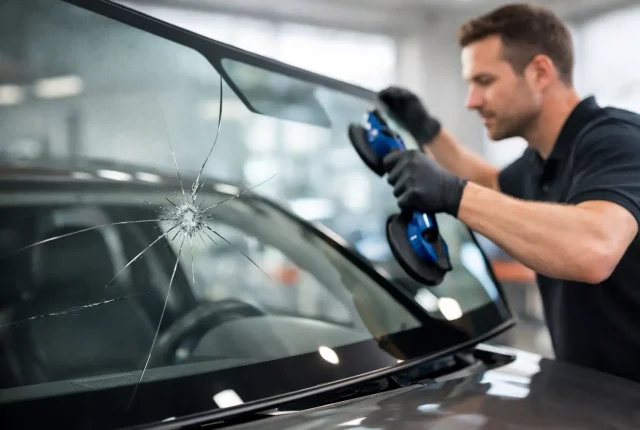
When Should a Windscreen Be Replaced?
Learn when should a windscreen be replaced, how to spot unsafe damage, and why e

Best Materials for Car Roof Lining
Choosing the best materials for car roof lining depends on heat, durability and
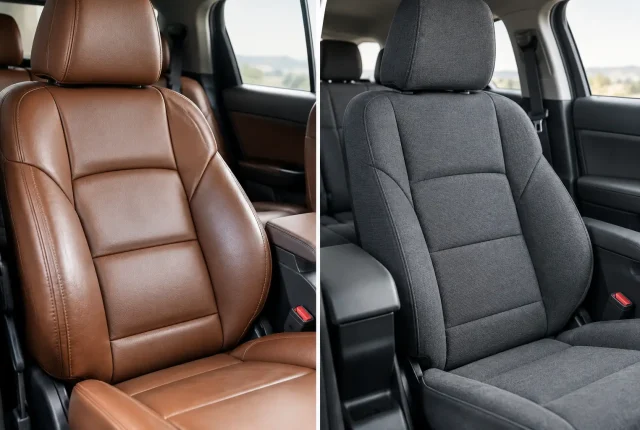
Leather Upholstery Versus Fabric Seats Compared
Leather upholstery versus fabric seats compared for Singapore drivers: comfort,