


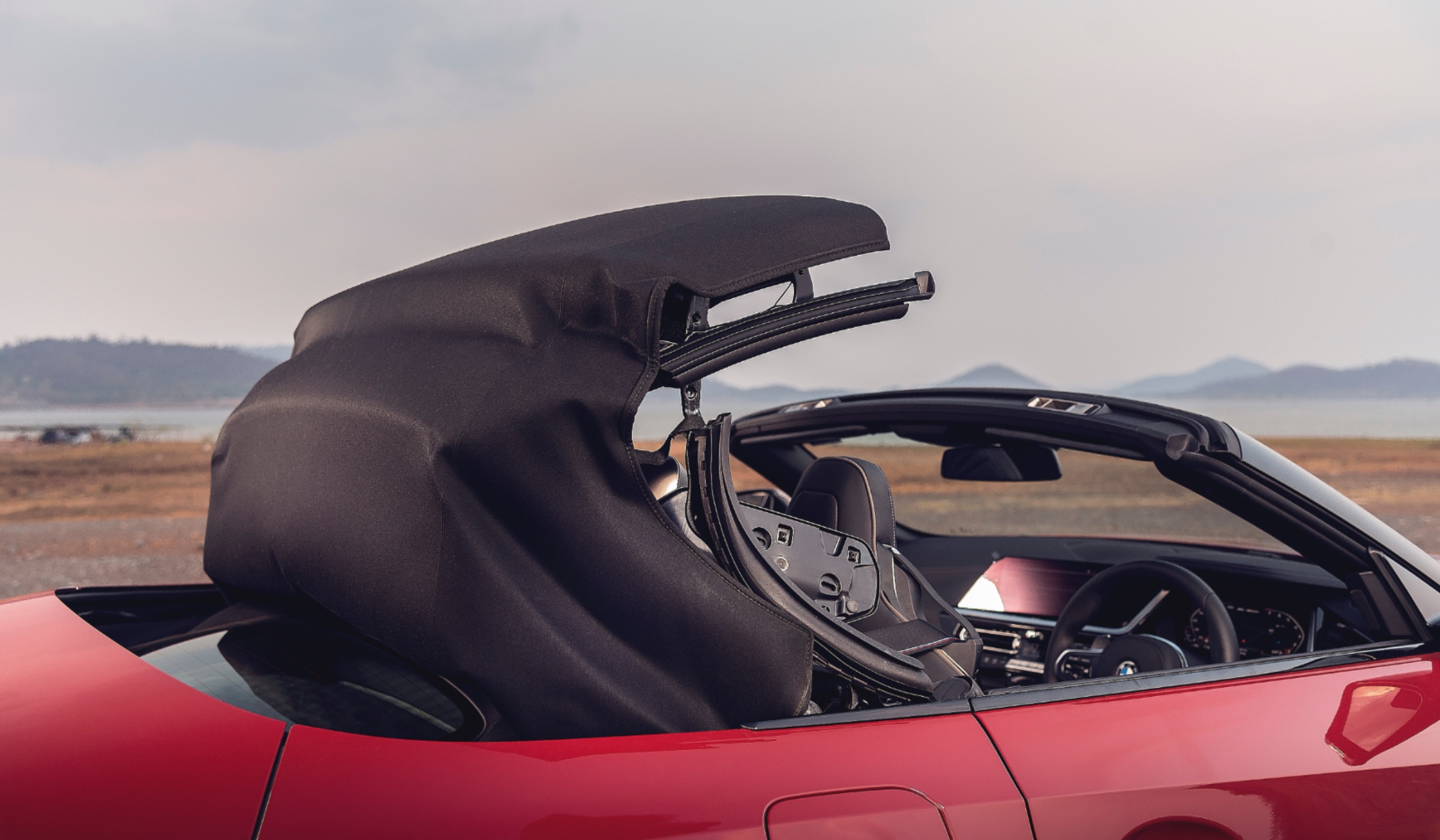
Choosing Convertible Top Malfunction Repair Shops
A convertible roof usually does not stop working all at once. When it does fail, it might get stuck in an awkward spot—sometimes even on the highway or in the rain.
When this happens, most owners think about taking their car to a workshop, but not all shops are the same. Some treat the job as a trial-and-error process. A true specialist approaches it differently, using the right tools, systems, computer diagnostics, and most importantly, specialized skills and experience.
What good convertible top malfunction repair shops actually do
A proper convertible top malfunction repair involves more than just checking for problems with a flashlight. The entire roof system needs to be inspected, including the frame, tension cables, seals, drains, rear window section, padding layers, and how well the roof lines up with the side glass. It is also important to check the Convertible Top Control (CTM) module to see if it is faulty or damaged, and to decide whether it can be repaired or needs to be replaced.
A good convertible top malfunction repair shop always starts with a careful inspection instead of making guesses. They look to see if the problem is just with the alignment or if the structure underneath also needs work. This step is especially important for older or high-end cars, since only replacing the visible parts can hide issues that might cause fit or durability problems down the road.
Specialist workshops know how different materials, parts, and hydraulic systems behave over time. Every car ages in its own way. Some spend every day in the hot sun. Others face wind and rain. Some are kept sheltered but are rarely driven.
Why a specialist workshop is worth it
Convertible roofs are tricky because they fall between bodywork, weather sealing, and interior trim. This is why general workshops often have trouble with them. While these shops may handle mechanical servicing well, fixing convertible tops takes patience, precision, and experience.
A specialist workshop takes a more organized approach. They assess, prepare, troubleshoot, and fix the roof using a clear process. When the work is done in-house, it is easier to know who did the job and who is responsible if something is not right.
This is where customers notice the difference. Good convertible tops service shops are careful with tools, follow the right steps, and make sure everything is checked and adjusted properly. They do not rush cars in and out just to meet quotas. When it comes to convertibles, working too quickly without care often leads to bigger problems later.
How to assess convertible top malfunction repair shops before you commit
Price is usually discussed early, but it should not be your main deciding factor. Two quotes might look similar, but they can cover very different amounts of work. One might include adjustments, seal checks, and proper finishing – specialized and professional. Another might promise more than it can deliver just to get you to bring your car in first.
Begin by asking how the shop will inspect your roof before giving a final quote. A reliable shop should explain what they need to check and what can only be confirmed after removing some parts. This is not avoiding your question; it is being honest. Convertible roofs often hide problems that only show up once the old parts are taken off.
Ask whether the work is done in-house. This is one of the clearest indicators of quality control. If a shop outsources core checks or repairs, you may still get a decent result if you are lucky, but the chain of responsibility becomes weaker. In-house production usually means tighter oversight, more consistent standards, and less room for miscommunication.
You should also ask about other options and why one is recommended instead of another. A good specialist will not suggest the same solution for every car. A daily driver, a collector car, and a weekend roadster often need different approaches. The best advice depends on how you use the car, where you store it, what you expect, and how much the vehicle is worth.
Signs of weak workmanship
Some problems are easy to spot. For example, you might send your car in for a check, but it comes back with scratches on the canvas, broken convertible top frames or arms, or misalignment. Other issues show up later. If you notice water leaking in after rain, more noise inside the cabin, or spots where the top rubs against the frame, these often mean the tension or alignment is off.
Another warning sign is when a shop seems too confident but does not explain why. If they give you a quick answer without even looking at your car, you should be cautious. A good specialist understands that even the same car model can have roof problems that look different each time.
What Singapore owners should expect from the process
Cars are costly in Singapore. If a convertible top starts to fail, water can get into the carpets, seat foam, trim panels, and sometimes even the electrical parts, depending on the model. Waiting too long to fix a roof problem can lead to a much bigger interior repair.
That’s why consultations should be simple and practical. A workshop needs to explain each step clearly, point out what to look for, and warn about issues that could get worse if left alone. Customers don’t want confusing technical words. They just want to know what will be done, what to expect, and that their car is being handled by skilled professionals.
A good workshop visit should feel organized. The team checks the car carefully, explains the process step by step, and makes their standards clear. At 8 Cushion, this specialist, in-house approach helps owners feel confident from the start.
Questions worth asking before approving the job
Check if the quote covers things like hydraulic system inspection, frame checks, and any needed adjustments after the work is done. If seal repair might be needed, ask if it is included. Also, ask how the shop deals with any hidden problems they find after taking things apart. This is where clear and honest communication is especially important.
It is also a good idea to ask about how to care for your convertible top after it is repaired. A repaired top still needs regular maintenance. How you use it, store it, and how often you fold the roof will all affect how long it lasts. A specialist should give you clear advice so you are not left guessing about basic care.
Most importantly, ask what result you should realistically expect. On some vehicles, a repaired top can be a factory-fresh convertible. On others, existing frame wear or age-related tolerance issues may mean the improvement is significant but not perfect. Straight answers are a sign of professional integrity.
Choosing for workmanship, not just convenience
The best shops for fixing convertible tops do more than just repairs. They help keep your car’s shape, function, and value. They know your convertible roof is something you notice, listen to, and depend on every time you take your car out.
If you care about good service, clear updates, and a job done right, the best shop is usually the one that works carefully behind the scenes. It’s not always the fastest or the cheapest. When a workshop gives honest advice, does the work themselves, and treats your convertible roof as a special job, you’re much more likely to be happy with the result every time you close the door and admire your car.
Related posts
Windscreen Repair Versus Replacement Guide
A practical windscreen repair versus replacement guide for Singapore drivers - w
Classic Car Interior Restoration Guide
A classic car interior restoration guide covering trim, roof linings, seats, car
Prepare Car for Windscreen Replacement Properly
Prepare car for windscreen replacement with a practical checklist for protecting